

Design of High Temperature Fine Powder Pneumatic Conveying System
High temperature fine powder pneumatic conveying systems represent a critical technology in industrial material handling, particularly for applications involving powders that are sensitive to temperature or require efficient transport under elevated thermal conditions. The design of such systems demands a comprehensive understanding of fluid dynamics, material properties, and operational constraints to ensure reliable and efficient performance. This article explores the key aspects of designing high temperature fine powder pneumatic conveying systems, focusing on the technical considerations and practical solutions offered by Shandong HeadPowder Engineering Co., Ltd., a leading provider in the field.
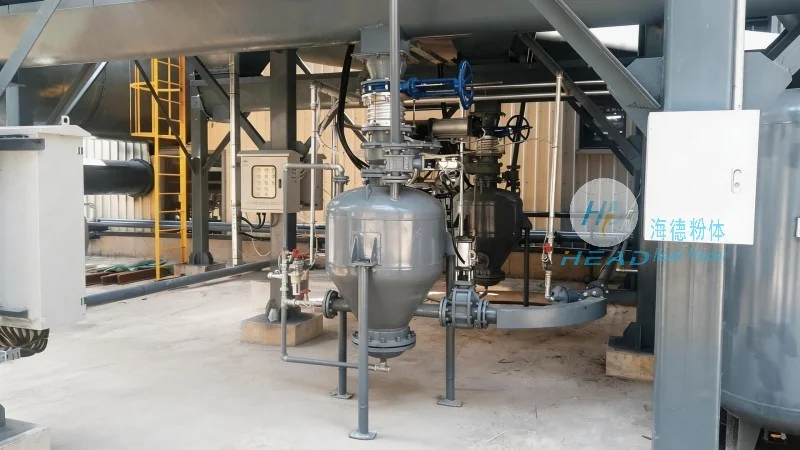
Key Design Considerations for High Temperature Applications
When designing a high temperature fine powder pneumatic conveying system, several critical factors must be addressed to maintain system integrity and operational efficiency. First, the selection of suitable materials for components such as pipelines, valves, and hoppers is paramount. Materials must withstand high temperatures without degradation or corrosion, ensuring long-term durability. For instance, stainless steel or specialized alloys are often preferred for their thermal resistance and resistance to chemical attack from the conveyed powders. Additionally, the system's design must account for the thermal expansion of components, incorporating appropriate expansion joints and supports to prevent mechanical stress and potential failure under temperature fluctuations.
System Components and Their Functionality
A high temperature fine powder pneumatic conveying system typically consists of several interconnected components, each playing a vital role in the overall operation. The primary components include the material feed hopper, which holds the fine powder and provides a controlled feed rate; the air supply system, which generates the necessary airflow to transport the powder; the conveying pipeline, which transports the powder from the source to the destination; and the discharge equipment, which delivers the powder to the final storage or processing unit. The material feed hopper is designed with features like aeration or vibration to prevent material bridging and ensure a consistent feed. The air supply system may include blowers or compressors, selected based on the required airflow and pressure to achieve the desired conveying velocity. The conveying pipeline is often made of flexible or rigid materials, with appropriate insulation to minimize heat loss and maintain the powder's temperature. The discharge equipment, such as rotary valves or pneumatic actuators, ensures a controlled and efficient release of the powder at the destination.

Advantages of High Temperature Pneumatic Conveying Systems
High temperature fine powder pneumatic conveying systems offer several advantages over traditional conveying methods, making them ideal for industries where temperature-sensitive materials are involved. One of the key benefits is the ability to maintain the temperature of the conveyed material, which is crucial for processes that require specific thermal conditions, such as in the chemical or pharmaceutical industries. This temperature control helps preserve the material's properties and prevent degradation or contamination. Another advantage is the reduced risk of product contamination compared to mechanical conveying systems, as there is no direct contact between the material and the conveying equipment. This is particularly important for food or pharmaceutical products where purity is essential. Furthermore, pneumatic conveying systems can handle fine powders with high efficiency, minimizing material loss and ensuring a consistent flow rate. The flexibility of the system allows for easy integration with existing industrial processes, and the modular design enables scalability to accommodate varying production demands.
Application Examples and Case Studies
High temperature fine powder pneumatic conveying systems are widely used in various industrial sectors, including chemical manufacturing, pharmaceutical production, and food processing. For example, in the chemical industry, these systems are used to transport fine powders such as catalysts or pigments that require temperature control during transport. In the pharmaceutical industry, they are employed to handle active pharmaceutical ingredients (APIs) and excipients, ensuring that the materials remain sterile and temperature-stable. A case study from Shandong HeadPowder Engineering Co., Ltd. involved designing a high temperature pneumatic conveying system for a client in the chemical sector. The system was designed to transport a fine powder at temperatures up to 200°C, with the conveying pipeline insulated to maintain the powder's temperature. The system successfully met the client's requirements, achieving a consistent flow rate and maintaining the material's quality throughout the transport process. Another application was in the food industry, where a high temperature pneumatic conveying system was used to transport powdered ingredients for a snack food manufacturer. The system ensured that the ingredients were transported at the required temperature, preventing clumping and maintaining their freshness.

Maintenance and Operational Considerations
Maintaining the performance and longevity of a high temperature fine powder pneumatic conveying system requires regular maintenance and proper operational practices. Regular inspection of components such as pipelines, valves, and air supply systems is essential to identify and address any potential issues before they lead to system failure. For example, the insulation on the conveying pipeline should be checked periodically to ensure it remains intact and effective in maintaining the powder's temperature. The air supply system should be checked for proper airflow and pressure, as any deviations can affect the conveying efficiency. Additionally, the material feed hopper should be cleaned regularly to prevent material buildup and ensure consistent feed. Operational considerations include monitoring the system's performance parameters, such as flow rate and pressure, to ensure they remain within the optimal range. Proper training of operators is also crucial to ensure they understand the system's operation and can respond to any issues that may arise. By following these maintenance and operational practices, the system can operate efficiently and reliably for extended periods.
Conclusion and Future Developments
High temperature fine powder pneumatic conveying systems are a vital technology in modern industrial material handling, offering efficient and reliable transport of temperature-sensitive materials. The design of such systems requires a thorough understanding of fluid dynamics, material properties, and operational constraints, ensuring that the system meets the specific needs of the application. Shandong HeadPowder Engineering Co., Ltd. provides comprehensive solutions for high temperature pneumatic conveying systems, incorporating advanced design principles and materials to ensure optimal performance. As industrial processes continue to evolve, the demand for high temperature pneumatic conveying systems is expected to grow, driven by the need for efficient and reliable material handling in various industries. Future developments in this field may include the integration of advanced sensors and control systems to enhance system performance and reduce maintenance requirements. Overall, high temperature fine powder pneumatic conveying systems represent a key technology for industries that require efficient and temperature-controlled transport of fine powders.