

Biomass Pellet Positive Pressure and Negative Pressure Conveying: A Comparative Analysis of Two Pneu
HeadPowder, a leading engineering company based in Shandong, China, specializes in the design and implementation of advanced material handling systems. In the context of biomass pellet transportation, the choice between positive pressure and negative pressure pneumatic conveying systems is a critical decision for industries involved in wood processing, biomass energy, and related sectors. This article provides a detailed comparison of these two methods, focusing on their operational principles, advantages, disadvantages, and practical applications, with the aim of helping stakeholders make informed choices for their specific material handling needs.

Understanding Pneumatic Conveying Systems
Pneumatic conveying is a technology that uses compressed air or vacuum to transport bulk materials through a pipeline. It is widely used in industries such as food, pharmaceuticals, and bulk materials handling due to its ability to move materials efficiently without direct contact with the conveying equipment. For biomass pellets, which are often light and dusty, pneumatic conveying offers a non-contact, hygienic, and flexible solution. However, the selection of the right type of system—positive pressure or negative pressure—depends on several factors including material characteristics, distance, system complexity, and cost considerations.
Positive Pressure Conveying: The Advantages and Limitations
Positive pressure conveying, also known as pressure pneumatic conveying, operates by blowing air or a mixture of air and material into the pipeline, creating a positive pressure environment. The material is carried forward by the air flow, which is typically at a higher pressure than the ambient air. This method is particularly effective for conveying materials over long distances and for handling materials that are prone to segregation or degradation under vacuum conditions.
One of the key advantages of positive pressure systems is their ability to handle a wide range of materials, including those with high moisture content or those that are sensitive to vacuum. The positive pressure environment helps maintain the integrity of the material, preventing it from clumping or breaking down. Additionally, positive pressure systems are generally more robust and easier to maintain, as they do not require complex vacuum pumps or high vacuum levels. They are also less susceptible to clogging due to the continuous flow of air, which helps in maintaining the material's flow properties.
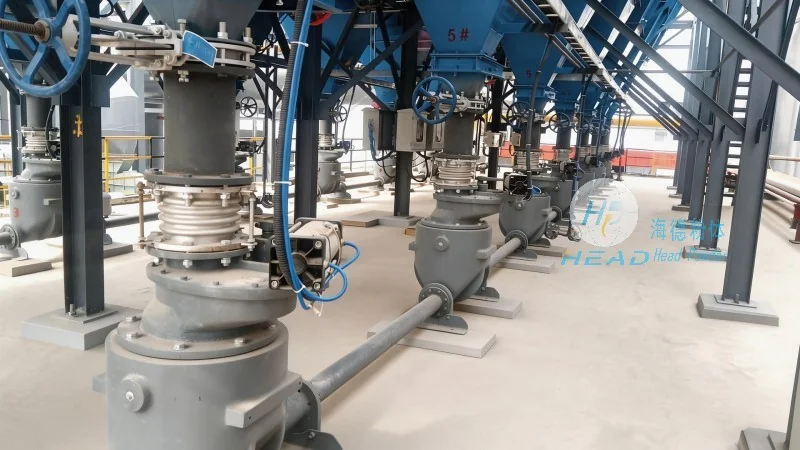
However, positive pressure conveying has its limitations. The main drawback is the higher energy consumption compared to negative pressure systems, as it requires a powerful air compressor to maintain the pressure. This can increase operational costs, especially for long-distance or high-volume applications. Another limitation is the potential for air leakage, which can lead to material loss and reduced system efficiency. Furthermore, positive pressure systems may not be suitable for materials that are highly abrasive or that generate significant dust, as the high-pressure air can exacerbate wear and tear on the equipment.
Negative Pressure Conveying: The Benefits and Challenges
Negative pressure conveying, or vacuum pneumatic conveying, operates by creating a vacuum in the pipeline, which draws the material and air into the system. The material is carried by the air flow, which is at a lower pressure than the ambient air. This method is commonly used for short to medium distance conveying and for materials that are light and dusty, such as sawdust or wood chips.
One of the primary benefits of negative pressure systems is their lower energy consumption compared to positive pressure systems. The vacuum pump, which is the main energy consumer, operates at a lower pressure, resulting in reduced operational costs. Additionally, negative pressure systems are more suitable for handling materials that are sensitive to pressure, as the vacuum environment helps maintain their physical properties. They are also more compact and easier to install, as they do not require large air compressors or extensive piping for pressure maintenance.

Despite these advantages, negative pressure conveying has several challenges. The main limitation is the risk of material clogging, especially when dealing with wet or sticky materials. The vacuum can cause the material to stick to the pipeline walls, leading to blockages and system downtime. Another challenge is the potential for dust emissions, as the vacuum creates a negative pressure that can draw dust particles into the environment. This can be a concern in terms of occupational health and environmental regulations. Furthermore, negative pressure systems are more complex to maintain, as they require regular cleaning of the vacuum pump and the pipeline to prevent clogging and ensure efficient operation.
Comparative Analysis: Key Factors to Consider
When choosing between positive and negative pressure pneumatic conveying systems for biomass pellet transportation, several factors need to be considered. The first and most important factor is the distance over which the material needs to be conveyed. Positive pressure systems are generally more suitable for long-distance applications, as they can maintain the material's flow properties over longer distances without significant degradation. Negative pressure systems, on the other hand, are better suited for short to medium distances, as the vacuum can cause the material to lose its flowability over longer periods.
The second factor is the material characteristics. For materials that are dry, light, and non-abrasive, negative pressure systems may be sufficient. However, for materials that are wet, sticky, or have high moisture content, positive pressure systems are more effective in preventing clumping and maintaining the material's integrity. The third factor is the system complexity and cost. Positive pressure systems require more powerful air compressors and higher maintenance, leading to higher initial and operational costs. Negative pressure systems, while lower in energy consumption, may require more frequent maintenance and cleaning, which can add to the overall cost.
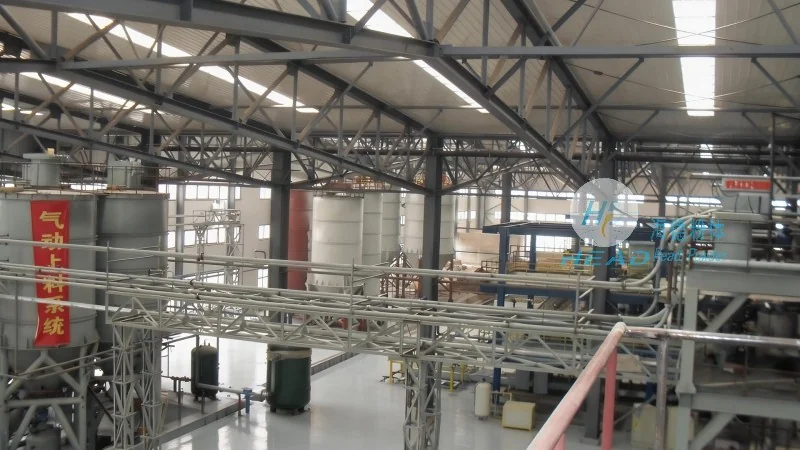
The fourth factor is the environmental and safety considerations. Positive pressure systems are generally safer as they do not create a vacuum that can draw dust into the environment. However, they can generate noise and air pollution due to the high-pressure air. Negative pressure systems, while quieter, can pose a risk of dust inhalation and require proper ventilation and filtration systems to ensure a safe working environment. The fifth factor is the system reliability and downtime. Positive pressure systems are generally more reliable due to their robust design and lower risk of clogging. Negative pressure systems, however, are more prone to clogging and require more frequent maintenance to prevent downtime.
Conclusion: Making the Right Choice for Biomass Pellet Conveying
Both positive pressure and negative pressure pneumatic conveying systems have their own advantages and limitations when it comes to biomass pellet transportation. The choice between the two depends on a combination of factors including the distance, material characteristics, cost considerations, and environmental regulations. Positive pressure systems are ideal for long-distance, high-volume applications with materials that are sensitive to vacuum or prone to degradation. Negative pressure systems are more suitable for short to medium distances and for materials that are light and dusty, where energy efficiency and lower maintenance are priorities.
HeadPowder, with its expertise in material handling systems, can provide customized solutions that take into account all these factors. By understanding the specific needs of each client, HeadPowder can design and implement the most efficient and cost-effective pneumatic conveying system for biomass pellet transportation. Whether it's a positive pressure or negative pressure system, HeadPowder's engineering team ensures that the system meets the highest standards of performance, reliability, and safety, helping clients achieve their material handling goals while minimizing operational costs and environmental impact.