

Dry Sand Pneumatic Conveying Technology: In-Depth Analysis of Vacuum and Positive Pressure Conveying
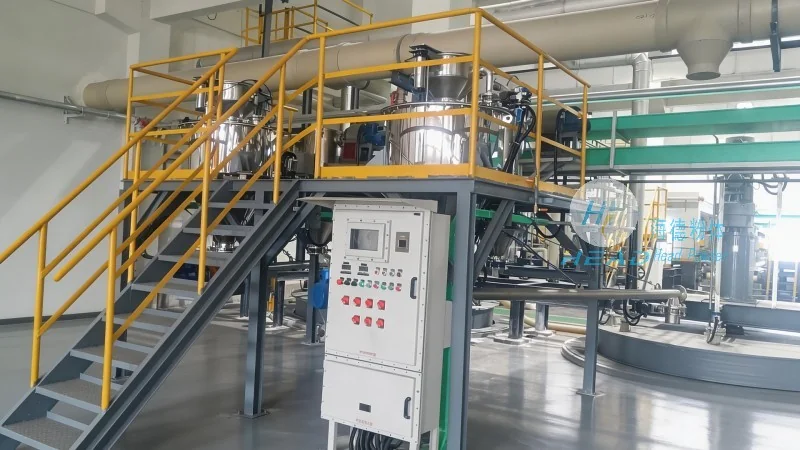
When it comes to transporting dry sand and similar bulk materials, the choice between vacuum and positive pressure pneumatic conveying systems is critical. Understanding the nuances of each approach is essential for optimizing material handling efficiency, minimizing operational costs, and ensuring reliable performance in industrial applications. This article delves into the technical aspects of dry sand pneumatic conveying, focusing on the key differences between vacuum and positive pressure systems, as well as their practical applications.

Vacuum Pneumatic Conveying Systems for Dry Sand
Vacuum pneumatic conveying systems operate by creating a negative pressure environment at the material intake point. This draws the dry sand into the conveying line using a vacuum pump. The primary advantage of this method is its ability to convey materials over relatively long distances while maintaining a gentle handling process. The system is particularly effective for applications where the material needs to be transported from multiple source points or where the receiving point is at a lower elevation than the source. The vacuum system also helps in controlling dust emissions by containing the material within the sealed pipeline. However, it is important to note that vacuum systems may have limitations in terms of conveying distance and material capacity compared to positive pressure systems.
Positive Pressure Pneumatic Conveying Systems for Dry Sand
Conversely, positive pressure systems generate a positive pressure at the material intake point, pushing the dry sand through the conveying line. This approach is often preferred for short to medium distance conveying, especially when the material is to be transported to a higher elevation or when the receiving point is at a higher level than the source. Positive pressure systems typically offer higher conveying capacities and can handle a wider range of material characteristics, including abrasive or corrosive materials. The system is also less prone to clogging due to the continuous flow of air, which helps maintain consistent performance. However, positive pressure systems may require more robust equipment to handle higher pressures and can be more expensive to install and maintain.

Key Considerations for Choosing Between Vacuum and Positive Pressure Systems
The selection between vacuum and positive pressure pneumatic conveying systems depends on several factors, including the distance between the source and receiving points, the elevation difference, the material properties, and the required conveying capacity. For long-distance or multi-point conveying where the receiving point is lower, a vacuum system may be more suitable. Conversely, for short-distance or vertical lift applications where the receiving point is higher, a positive pressure system is often the better choice. Additionally, the cost of equipment, energy consumption, and maintenance requirements should be evaluated to determine the most cost-effective solution for a specific application.
Applications of Dry Sand Pneumatic Conveying in Industry
Dry sand pneumatic conveying technology is widely used in various industries, including construction, foundries, and mining. In the construction sector, it is used to transport sand for concrete mixing and mortar preparation, ensuring consistent material quality and reducing manual handling. In foundries, the system is employed to move sand molds and raw materials, improving production efficiency and safety. The mining industry utilizes pneumatic conveying for transporting sand from processing plants to storage facilities or for transporting raw materials to the processing units. The technology also finds applications in the chemical and pharmaceutical industries for handling fine powders and granules, where dust control and material purity are critical.
Advantages of Dry Sand Pneumatic Conveying
Compared to traditional mechanical conveying methods, dry sand pneumatic conveying offers several advantages. The primary benefit is the ability to handle materials that are difficult to transport using conventional methods, such as fine powders or abrasive materials. The system also provides better dust control, as the material is contained within a sealed pipeline, reducing environmental impact and improving workplace safety. Additionally, pneumatic conveying systems can be more energy-efficient in certain applications, especially when conveying over long distances. The technology also allows for more flexible and modular system designs, enabling easy expansion or modification as production needs change.
Challenges and Mitigation Strategies
Despite its benefits, dry sand pneumatic conveying systems may face challenges such as system clogging, pressure drop, and material degradation. Clogging can occur due to the accumulation of fine particles or moisture in the pipeline, which can be mitigated by using appropriate filter systems and regular maintenance. Pressure drop is another common issue, which can be addressed by ensuring proper pipeline design, using appropriate air velocities, and maintaining clean filters. Material degradation, such as agglomeration or oxidation, can be minimized by controlling the temperature and humidity within the system and using appropriate materials for the pipeline and components.
Conclusion
Dry sand pneumatic conveying technology, whether using vacuum or positive pressure systems, offers a reliable and efficient solution for transporting bulk materials in various industrial applications. The choice between the two systems depends on the specific requirements of the application, including distance, elevation, material properties, and operational constraints. By understanding the technical aspects and advantages of each system, industrial operators can select the most suitable pneumatic conveying solution to optimize their material handling processes. As a leading provider of pneumatic conveying solutions, Shandong HeadPowder Engineering Co., Ltd. specializes in designing and manufacturing customized systems tailored to the unique needs of each client, ensuring optimal performance and cost-effectiveness.