

Design of a Copper Ore Sand Pneumatic Conveying System
Shandong HeadPowder Engineering Co., Ltd., commonly known as headpowder, is a professional manufacturer specializing in the design and production of pneumatic conveying systems. With a focus on copper ore processing, the company has developed advanced solutions for efficiently transporting copper ore sand, meeting the demands of modern mining operations. This article provides an in-depth look at the design principles and key components of a copper ore sand pneumatic conveying system, highlighting the technical advancements and practical applications in the industry.

Key Design Considerations for Copper Ore Sand Pneumatic Conveying
The design of a copper ore sand pneumatic conveying system involves several critical factors to ensure optimal performance, reliability, and efficiency. The first consideration is the material characteristics of copper ore sand, which include particle size distribution, moisture content, and bulk density. These properties directly impact the selection of the conveying method, such as dilute-phase or dense-phase pneumatic transport. For copper ore sand, dilute-phase systems are often preferred due to their ability to handle a wide range of particle sizes and maintain a consistent flow rate. The system design must also account for the pressure and velocity requirements to prevent particle degradation and ensure smooth transport.
Core Components of the Pneumatic Conveying System
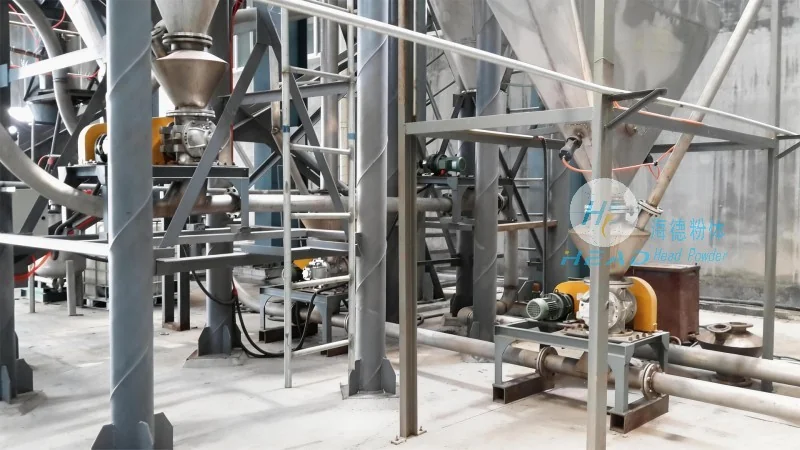
The copper ore sand pneumatic conveying system consists of several essential components that work in tandem to achieve effective material transport. The primary components include the hopper, which serves as the storage and feeding unit, equipped with a feeder to control the flow of ore sand. The feeder is crucial for maintaining a steady supply of material, preventing blockages and ensuring consistent pressure in the system. The air compressor or blower is another critical component, responsible for generating the necessary airflow to move the ore sand through the pipeline. The choice of compressor type, such as centrifugal or positive displacement, depends on the system's capacity and pressure requirements. Additionally, the pipeline system, including elbows, tees, and straight sections, must be designed to minimize pressure losses and maintain the desired velocity. The system also incorporates filters and cyclones to separate the ore sand from the air, ensuring that the material is delivered to the destination without contamination.
Advantages of the Copper Ore Sand Pneumatic Conveying System
Implementing a copper ore sand pneumatic conveying system offers numerous advantages over traditional methods like belt conveyors or trucks. One of the key benefits is the ability to transport material over long distances with minimal maintenance. The system is also highly flexible, allowing for changes in the layout or destination without major modifications. Furthermore, the pneumatic conveying system reduces the risk of material contamination and dust exposure, which is particularly important in copper ore processing where dust can be hazardous. The system's efficiency in terms of energy consumption and operational costs is another significant advantage, as it minimizes the need for manual handling and reduces the overall downtime of the mining operation.
Application Scenarios and Operational Performance
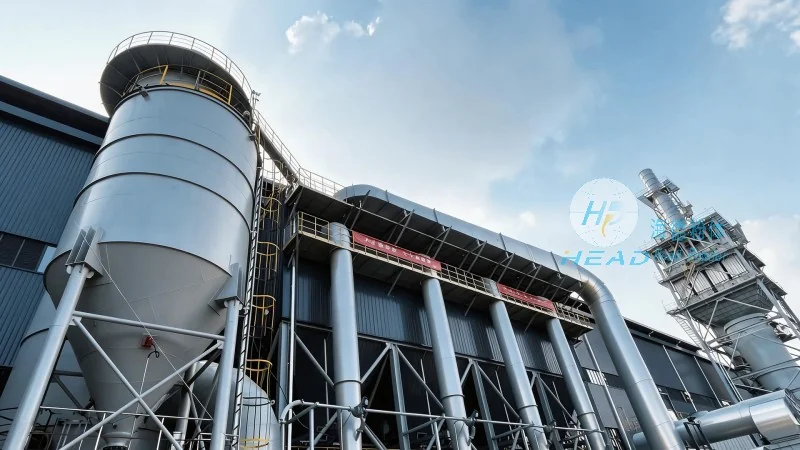
The copper ore sand pneumatic conveying system is widely used in various stages of copper ore processing, from mining to smelting. In the mining phase, the system can transport ore sand from the mine to the processing plant, covering distances of several kilometers. During the processing stage, the system is used to move ore sand between different processing units, such as crushers, screens, and classifiers. The operational performance of the system is characterized by high reliability and low downtime, with advanced control systems that monitor pressure, flow rate, and temperature in real-time. The system's ability to handle varying loads and particle sizes makes it suitable for different production rates, from small-scale operations to large-scale industrial plants. Additionally, the system's adaptability allows it to be integrated with existing infrastructure, minimizing the need for new construction or modifications.
Technical Specifications and Customization Options
Shandong HeadPowder Engineering Co., Ltd. offers customized copper ore sand pneumatic conveying systems tailored to the specific needs of each client. The technical specifications of the system can be adjusted based on the material characteristics, conveying distance, and required flow rate. For example, the system can be designed to handle particle sizes ranging from 0.1 mm to 10 mm, with a bulk density of 1.5 to 2.5 g/cm³. The conveying distance can range from 50 meters to several kilometers, depending on the application. The system's pressure range typically varies from 0.5 to 2.0 bar, with a maximum velocity of 20-30 m/s. The company also provides options for different materials of construction, such as stainless steel or carbon steel, to ensure corrosion resistance and durability in harsh environments. Customization options include the addition of safety features, such as pressure relief valves and emergency shut-off systems, to enhance the system's safety and reliability.
Conclusion and Contact Information
Shandong HeadPowder Engineering Co., Ltd. provides high-quality copper ore sand pneumatic conveying systems that meet the demanding requirements of modern copper ore processing. The design of the system focuses on efficiency, reliability, and safety, ensuring optimal performance in various operational conditions. With a strong commitment to innovation and customer satisfaction, headpowder continues to develop advanced solutions for the mining industry. For more information about the copper ore sand pneumatic conveying system or other products, please contact our company at our address in Shandong, China.