

Design of Pneumatic Conveying Equipment for Synthetic Rubber
For industries dealing with synthetic rubber, efficient material handling is crucial to maintain production flow and ensure product quality. The design of pneumatic conveying equipment plays a pivotal role in achieving this goal. This article explores the key considerations and components involved in creating a reliable system for transporting synthetic rubber, highlighting the expertise of Shandong HeadPowder Engineering Co., Ltd., a leading manufacturer in the field.
Understanding the Importance of Pneumatic Conveying for Synthetic Rubber
Synthetic rubber, used in various applications from tire manufacturing to industrial products, requires specialized handling due to its physical properties. Traditional methods like belt conveyors or bucket elevators may not be suitable for fine powders or granules, as they can cause material degradation or blockages. Pneumatic conveying systems offer a solution by using air pressure to transport materials in a closed system, minimizing contamination and preserving product integrity. This makes them ideal for synthetic rubber, which is sensitive to moisture and temperature changes.
Key Design Factors for Synthetic Rubber Pneumatic Conveying
When designing a pneumatic conveying system for synthetic rubber, several factors must be carefully evaluated to ensure optimal performance. The first consideration is the material's flow characteristics. Synthetic rubber powders or granules may have varying densities and particle sizes, which affect the air velocity required for transport. Engineers at Shandong HeadPowder Engineering Co., Ltd. conduct thorough material analysis to determine the appropriate air pressure and flow rates. This ensures that the system can handle the specific properties of the synthetic rubber without causing excessive wear or energy consumption.

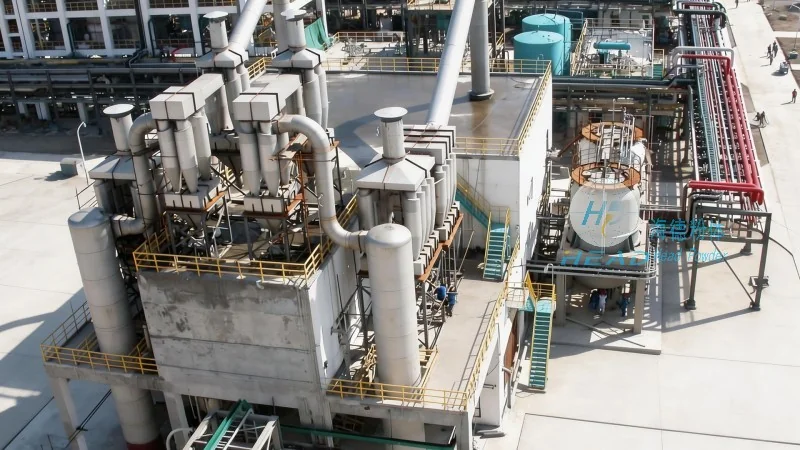
Another critical factor is the system's configuration. Pneumatic conveying systems can be categorized into pressure and vacuum types. For synthetic rubber, pressure systems are often preferred as they provide better control over material flow and can handle longer distances. The design includes components such as feeders, ducts, and separation units. The feeders, typically rotary or screw types, ensure a consistent material feed into the conveying line. The ducts are made of materials resistant to rubber particles, such as stainless steel or specialized plastics, to prevent corrosion and blockage. Separation units, like cyclones or filters, are essential for cleaning the air and recovering any lost material, maintaining environmental compliance and operational efficiency.
Components and Materials Used in the Equipment
The construction of pneumatic conveying equipment for synthetic rubber involves high-quality materials to withstand the abrasive nature of the material. Stainless steel is commonly used for ductwork and fittings due to its corrosion resistance and durability. Specialized rubber or plastic liners may be applied to internal surfaces to prevent wear and ensure smooth material flow. The system also includes control valves and sensors that monitor pressure, flow, and temperature. These components are crucial for maintaining system stability and preventing overloading or underflow conditions. The expertise of Shandong HeadPowder Engineering Co., Ltd. lies in selecting the right materials and components that balance cost, performance, and longevity, tailored to the specific needs of synthetic rubber processing.

Customization and Integration with Production Lines
Every synthetic rubber processing facility has unique requirements, making customization a key aspect of the equipment design. Shandong HeadPowder Engineering Co., Ltd. works closely with clients to understand their production processes and integrate the pneumatic conveying system seamlessly. This may involve designing the system to connect with existing equipment, such as mixers or extruders, ensuring a smooth transition from material handling to processing. The company also considers the overall layout of the facility, optimizing the system's footprint and minimizing installation costs. Customization extends to control systems, where clients can choose between manual or automated operation, depending on their operational needs. This flexibility ensures that the equipment not only meets the technical specifications but also aligns with the client's operational strategies.

Maintenance and Operational Considerations
Proper maintenance is essential to ensure the long-term reliability of pneumatic conveying equipment for synthetic rubber. Regular cleaning of ducts and separation units is necessary to prevent buildup of rubber particles, which can reduce system efficiency and increase energy consumption. The company provides detailed maintenance schedules and guidelines to clients, including recommended cleaning intervals and procedures. Additionally, the system's control panels are designed for easy monitoring and troubleshooting, allowing operators to quickly identify and resolve issues. The use of high-quality components and materials by Shandong HeadPowder Engineering Co., Ltd. reduces the frequency of maintenance and extends the equipment's service life. This approach not only lowers operational costs but also ensures consistent performance over time.
Conclusion: Enhancing Synthetic Rubber Handling with Expert Design
In conclusion, the design of pneumatic conveying equipment for synthetic rubber is a complex process that requires a deep understanding of material properties and system engineering. Shandong HeadPowder Engineering Co., Ltd. combines technical expertise with customer-centric solutions to deliver reliable and efficient systems. By focusing on key design factors, using appropriate materials, and providing customization and maintenance support, the company helps synthetic rubber manufacturers optimize their material handling processes. The result is improved production efficiency, reduced downtime, and enhanced product quality, making the pneumatic conveying system a vital component of modern synthetic rubber processing facilities.