

Advantages and Disadvantages of Negative Pressure and Positive Pressure Conveying for Ammonium Bicar
When it comes to the pneumatic conveying of ammonium bicarbonate, selecting the appropriate conveying method is crucial for ensuring efficiency, safety, and cost-effectiveness in industrial operations. Two primary approaches are widely used: negative pressure conveying and positive pressure conveying. Each method has its own set of advantages and disadvantages, which can significantly impact the overall performance of the conveying system. This article provides a detailed comparison of negative pressure and positive pressure conveying for ammonium bicarbonate, helping industrial operators make informed decisions based on their specific needs.
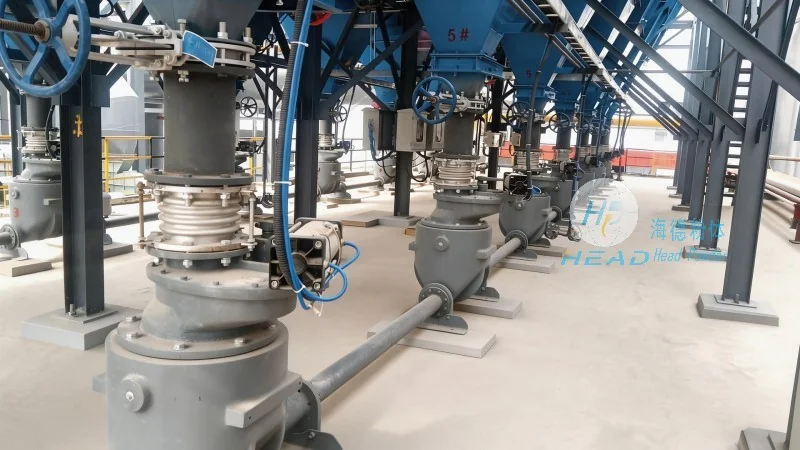
Shandong HeadPowder Engineering Co., Ltd., a leading provider in the field of powder handling and conveying solutions, specializes in designing and implementing advanced pneumatic conveying systems tailored to the unique requirements of various industries. With a focus on innovation and reliability, the company has extensive experience in handling ammonium bicarbonate, a critical chemical used in agriculture and other sectors. The following analysis of negative pressure versus positive pressure conveying is based on industry best practices and practical applications, offering insights into the operational aspects of each method.
Understanding Negative Pressure Conveying
Negative pressure conveying, also known as suction conveying, operates by creating a vacuum in the conveying line to draw material from the source to the destination. This method is particularly effective for transporting materials from multiple points to a single collection point, as it can handle materials from various sources without the need for complex branching systems. The primary advantage of negative pressure conveying is its ability to minimize dust emissions and prevent material spillage during the conveying process. By maintaining a lower pressure environment, the system reduces the risk of dust contamination and ensures a cleaner working environment. Additionally, negative pressure systems are generally more energy-efficient compared to positive pressure systems, as they require less power to operate due to the vacuum-driven mechanism.
However, negative pressure conveying also has several limitations. One of the main drawbacks is its lower conveying capacity compared to positive pressure systems. The vacuum created in the line can only handle a certain volume of material, which may limit the throughput for high-volume applications. Another challenge is the potential for material degradation, especially for heat-sensitive or delicate materials like ammonium bicarbonate. The low pressure and longer conveying times can lead to changes in the material's physical properties or chemical composition. Furthermore, negative pressure systems are more susceptible to blockages and clogs, as the vacuum can cause fine particles to adhere to the pipe walls, leading to system inefficiencies and increased maintenance requirements.

Exploring Positive Pressure Conveying
Positive pressure conveying, or pressure conveying, works by forcing material through the conveying line using a positive pressure source, such as a blower or compressor. This method is ideal for transporting materials over longer distances or to multiple destinations, as it can maintain a consistent pressure throughout the system. The primary advantage of positive pressure conveying is its higher conveying capacity and ability to handle larger volumes of material. This makes it suitable for high-throughput applications where efficiency is a top priority. Additionally, positive pressure systems are less prone to material degradation compared to negative pressure systems, as the material is transported under higher pressure, reducing the risk of particle breakdown or chemical changes.
Nevertheless, positive pressure conveying comes with its own set of disadvantages. One of the main concerns is the higher energy consumption compared to negative pressure systems. The need to maintain a positive pressure throughout the line requires more power, which can increase operational costs. Another drawback is the higher risk of dust emissions and material spillage, as the system operates under higher pressure, potentially leading to leaks or system failures. Furthermore, positive pressure systems are more complex to install and maintain, as they require robust components to handle the higher pressures and potential for material blockages. The increased complexity can result in higher initial investment and longer downtime during maintenance.

Comparative Analysis: Key Factors to Consider
When comparing negative pressure and positive pressure conveying for ammonium bicarbonate, several key factors should be considered to determine the most suitable method for a specific application. The first factor is the conveying distance and layout of the system. For short distances and simple layouts, negative pressure conveying may be more appropriate due to its lower energy consumption and simpler design. However, for longer distances or complex layouts with multiple destinations, positive pressure conveying offers better performance and reliability. The second factor is the material characteristics, such as particle size, moisture content, and chemical stability. Ammonium bicarbonate is a fine powder with moderate moisture content, making it susceptible to degradation under low pressure and long conveying times. In such cases, positive pressure conveying may be preferred to minimize material damage. The third factor is the operational environment and safety requirements. Negative pressure systems are generally safer as they reduce dust emissions and prevent material spillage, making them suitable for applications where environmental and safety standards are stringent. Positive pressure systems, while more efficient for high volumes, require additional safety measures to prevent dust explosions and material leaks.
Practical Recommendations from Shandong HeadPowder Engineering Co., Ltd.
Based on extensive experience in the industry, Shandong HeadPowder Engineering Co., Ltd. provides the following practical recommendations for selecting the appropriate conveying method for ammonium bicarbonate. For applications involving short distances and low to moderate material volumes, negative pressure conveying is recommended due to its cost-effectiveness and lower energy consumption. This method is particularly suitable for small-scale operations or where dust control is a primary concern. For high-volume applications or longer distances, positive pressure conveying is preferred, as it offers higher throughput and better material handling capabilities. The company also emphasizes the importance of system design and maintenance in optimizing the performance of both methods. Regular inspections, proper filter maintenance, and appropriate material handling techniques can significantly enhance the efficiency and longevity of the conveying system.
Conclusion
In conclusion, both negative pressure and positive pressure conveying methods have their own set of advantages and disadvantages when used for the pneumatic conveying of ammonium bicarbonate. The choice between the two depends on various factors, including conveying distance, material characteristics, operational environment, and cost considerations. Negative pressure conveying is ideal for short distances and dust control, while positive pressure conveying is better suited for high-volume and long-distance applications. By carefully evaluating these factors and consulting with experts like Shandong HeadPowder Engineering Co., Ltd., industrial operators can select the most appropriate conveying method to ensure efficient, safe, and cost-effective operations. The company's expertise in designing and implementing customized pneumatic conveying systems ensures that clients receive tailored solutions that meet their specific needs and industry standards.