

Biomass Powder Positive Pressure and Negative Pressure Conveying: A Comparative Analysis of Two Pneu
HeadPowder, a leading provider of pneumatic conveying solutions, specializes in optimizing material handling processes for biomass powder applications. The company is based in Shandong, China, and has extensive experience in designing and implementing efficient conveying systems for various industrial applications. This article provides a detailed comparison between positive pressure and negative pressure conveying systems, highlighting their respective advantages, limitations, and optimal use cases. By understanding the differences between these two methods, industry professionals can make informed decisions to enhance efficiency and reliability in biomass powder transportation.
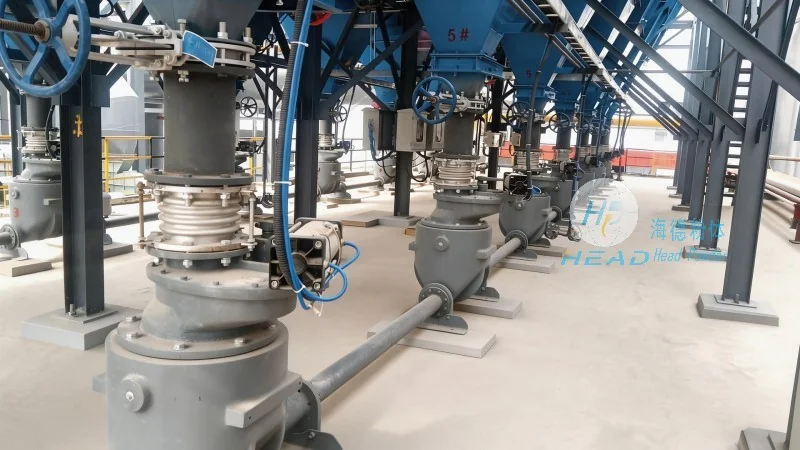
Introduction to Pneumatic Conveying Systems
Pneumatic conveying is a widely used technique for transporting bulk materials, including biomass powders, through a pipeline using air or gas as the conveying medium. This method offers several advantages over traditional mechanical conveying systems, such as reduced equipment wear, lower maintenance costs, and the ability to handle materials that are difficult to transport by other means. The two primary types of pneumatic conveying systems are positive pressure and negative pressure, each with distinct operational principles and applications.
Positive Pressure Conveying Systems
Positive pressure conveying systems operate by blowing air or gas into the pipeline, creating a pressure higher than the ambient air pressure. The material is then drawn into the pipeline and transported to the destination. This method is particularly effective for conveying materials over long distances or through complex network configurations. HeadPowder's positive pressure systems are designed to handle a wide range of biomass powders, including wood chips, sawdust, and agricultural residues, with high efficiency and minimal product degradation.
Key features of positive pressure conveying include high conveying velocities, which allow for rapid material transport, and the ability to handle abrasive or corrosive materials without significant wear on the system components. The positive pressure system also offers better control over the material flow rate and pressure, enabling precise regulation of the conveying process. However, this method may require more energy input due to the need to maintain a higher pressure throughout the pipeline.

Negative Pressure Conveying Systems
Negative pressure conveying systems, also known as vacuum systems, operate by creating a vacuum in the pipeline, which draws the material into the system and transports it to the destination. This method is commonly used for short to medium distance conveying and for applications where the material needs to be collected from multiple sources. HeadPowder's negative pressure systems are suitable for handling fine biomass powders, such as sawdust or wood flour, and are particularly effective in environments where dust control is critical.
Key advantages of negative pressure conveying include lower energy consumption compared to positive pressure systems, as the vacuum is typically generated by a relatively small fan or blower. The system also allows for the collection of material from multiple points, making it ideal for applications involving multiple feed sources. However, negative pressure systems are more susceptible to clogging and material buildup in the pipeline, which can lead to system downtime and increased maintenance requirements.
Comparative Analysis: Positive vs. Negative Pressure Conveying
When selecting between positive and negative pressure conveying systems for biomass powder applications, several factors must be considered. The choice depends on the distance to be covered, the material characteristics, the required flow rate, and the overall system complexity. Positive pressure systems are generally more suitable for long-distance conveying and for handling abrasive or high-volume materials, while negative pressure systems are better suited for short-distance transport and for applications requiring fine material handling with strict dust control measures.
From an energy consumption perspective, negative pressure systems typically require less power, making them more cost-effective for shorter conveying distances. However, positive pressure systems offer better control over material flow and pressure, which can be crucial for maintaining product quality and preventing material degradation. Additionally, positive pressure systems are less prone to clogging compared to negative pressure systems, as the higher pressure helps to prevent material buildup in the pipeline.

Applications and Use Cases
HeadPowder's positive pressure conveying systems are widely used in the biomass energy sector, including the transportation of wood chips and sawdust from storage facilities to biomass power plants. These systems are also utilized in the agricultural industry for moving agricultural residues, such as corn stalks and wheat straw, to processing facilities. The high efficiency and reliability of positive pressure systems make them ideal for these applications, where consistent material flow is essential for operational continuity.
On the other hand, negative pressure conveying systems are commonly employed in the wood processing industry for handling fine sawdust and wood flour from milling operations. These systems are also used in the pharmaceutical and food industries for transporting fine biomass powders, where dust control and product purity are critical. The ability of negative pressure systems to collect material from multiple points makes them suitable for applications involving multiple feed sources, such as in large-scale biomass processing facilities.
Conclusion
Both positive pressure and negative pressure pneumatic conveying systems offer effective solutions for transporting biomass powders, but the choice between them depends on specific operational requirements and material characteristics. HeadPowder, with its expertise in pneumatic conveying technology, provides customized solutions tailored to the unique needs of each application. By understanding the advantages and limitations of each system, industry professionals can select the most appropriate conveying method to enhance efficiency, reduce costs, and ensure reliable material handling in biomass processing operations.