

Types and Practical Applications of Pneumatic Conveying Systems for Graphite Handling
Graphite, a versatile material with wide-ranging industrial applications, requires efficient and reliable handling methods to ensure optimal processing and utilization. Among the various techniques available, pneumatic conveying systems have emerged as a preferred choice for transporting graphite due to their ability to handle fine powders and granules with minimal degradation. This article explores the different types of pneumatic conveying systems used in graphite handling and their practical applications, highlighting the importance of selecting the right system for specific operational needs.
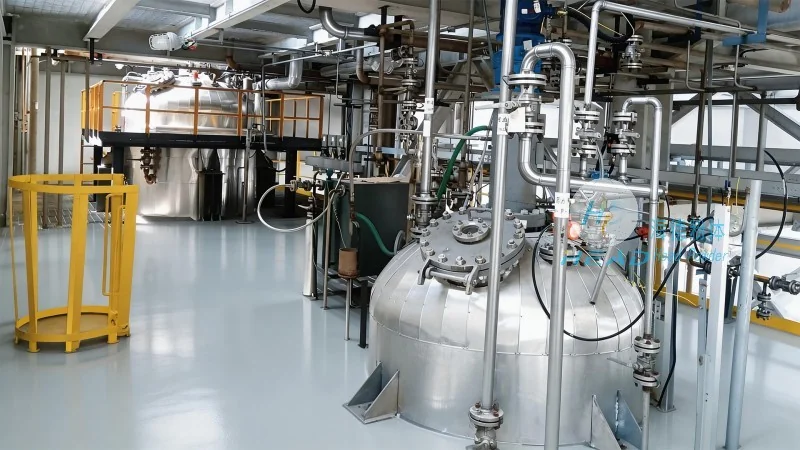
Types of Pneumatic Conveying Systems for Graphite Processing
Pneumatic conveying systems are categorized based on the pressure differentials maintained during material transport. The primary types include positive pressure, negative pressure, and combined systems, each with distinct characteristics and suitability for different graphite handling scenarios.
Positive pressure systems operate by blowing air or gas into the conveying line, creating a pressure higher than the ambient atmosphere. This method is effective for long-distance transport and can handle abrasive materials like graphite without causing excessive wear. The system typically consists of a blower, a material feed hopper, and a discharge point, with the air flow continuously moving the material through the pipeline. Positive pressure systems are often preferred for applications requiring high material throughput and minimal product degradation.
Negative pressure systems, conversely, create a vacuum in the conveying line, drawing material from the source into the system. This approach is suitable for handling materials that are sensitive to air exposure or require a closed environment to prevent contamination. Negative pressure systems are commonly used in applications where dust control is critical, such as in pharmaceutical or food processing industries, though they may have limitations in terms of distance and material capacity compared to positive pressure systems.

Combined or dual-pressure systems integrate elements of both positive and negative pressure, offering flexibility in handling different material types and operational conditions. These systems can switch between positive and negative modes depending on the task, making them ideal for complex processing lines where varying material properties and transport requirements are encountered. For graphite, which may exist in both fine powder and coarse granule forms, combined systems provide the adaptability needed to manage diverse material characteristics efficiently.
Practical Applications of Pneumatic Conveying in Graphite Handling
Pneumatic conveying systems are widely employed in the graphite industry across various stages of processing, from raw material extraction to final product packaging. In mining operations, these systems are used to transport graphite ore from the mine site to processing facilities, ensuring a continuous and safe supply of raw material. The ability to handle large volumes of ore with minimal manual intervention makes pneumatic conveying an efficient solution for remote mining locations.
During the processing stage, pneumatic conveying is crucial for transporting graphite powders and flakes from grinding and milling equipment to classification and drying units. The systems can handle fine particles that are prone to clogging in traditional mechanical conveyors, reducing downtime and maintenance costs. For example, in the production of high-purity graphite, where particle size and purity are critical, pneumatic conveying systems maintain the integrity of the material by minimizing exposure to air and preventing contamination.
In manufacturing applications, such as the production of graphite electrodes or lubricants, pneumatic conveying is used to transport the material to mixing and extrusion equipment. The consistent flow of graphite ensures uniform product quality, which is essential for meeting industry standards. Additionally, in the packaging phase, pneumatic conveying systems can transport finished graphite products from storage silos to packaging lines, streamlining the overall production process and improving operational efficiency.

HeadPowder's Expertise in Pneumatic Conveying Solutions for Graphite
Shandong HeadPowder Engineering Co., Ltd., commonly known as HeadPowder, is a leading provider of specialized engineering solutions for material handling, including pneumatic conveying systems tailored for graphite processing. With operations based in Shandong, China, HeadPowder leverages decades of industry experience to design and implement customized systems that meet the unique demands of graphite handling operations.
HeadPowder's team of engineers specializes in understanding the specific challenges of graphite, such as its low bulk density and tendency to form agglomerates. By incorporating advanced materials and design features, the company develops systems that ensure reliable transport, minimal product degradation, and efficient operation. The company's solutions are backed by rigorous testing and compliance with international standards, ensuring that clients receive high-quality, durable equipment that enhances their production capabilities.
HeadPowder's commitment to customer satisfaction is reflected in its comprehensive support services, including system installation, maintenance, and technical assistance. By partnering with HeadPowder, graphite processing facilities can optimize their material handling processes, reduce operational costs, and improve overall productivity. The company's focus on tailored solutions and long-term partnerships has established it as a trusted name in the industry, serving clients across various sectors that rely on graphite for their manufacturing needs.