

Types and Applications of Soap Granule Pneumatic Conveying Systems
Soap granule pneumatic conveying is a critical technology in material handling, especially for industries dealing with fine powders like soap granules. This method uses air pressure to transport materials, offering advantages such as reduced contamination, improved efficiency, and enhanced safety compared to traditional methods like belt conveyors or bucket elevators. Shandong HeadPowder Engineering Co., Ltd., a leading provider of material handling solutions, specializes in designing and manufacturing advanced pneumatic conveying systems tailored for industries like soap manufacturing.

Key Types of Soap Granule Pneumatic Conveying Systems
There are primarily three main types of pneumatic conveying systems used for soap granules, each with distinct operational principles and suitability for different applications. The first is the positive pressure system, which uses a blower to generate high-pressure air that pushes the material through a pipeline. This type is ideal for short to medium distances and is commonly used in manufacturing plants where space is limited. The second is the negative pressure (or vacuum) system, which creates a vacuum to draw the material into the pipeline. This method is suitable for longer distances and can handle materials that are more prone to dust or require a cleaner environment. The third is the mixed or combined system, which uses both positive and negative pressure components to optimize performance. This hybrid approach allows for flexibility in handling varying material properties and system configurations.
Core Features and Advantages of Soap Granule Pneumatic Conveying
One of the most significant features of soap granule pneumatic conveying is its ability to maintain product integrity. Unlike mechanical conveyors that can cause attrition or contamination, pneumatic systems use enclosed pipelines, minimizing exposure to external elements and preventing cross-contamination between different product batches. Additionally, these systems offer high throughput rates, making them efficient for high-volume production lines. The technology also provides excellent control over material flow, allowing for precise dosing and batching. From an operational standpoint, pneumatic conveying systems are relatively low maintenance, as they have fewer moving parts compared to traditional equipment. This reduces downtime and maintenance costs over the long term. Environmental benefits are another key feature, as the enclosed system prevents dust emissions, contributing to a cleaner workplace and compliance with environmental regulations.
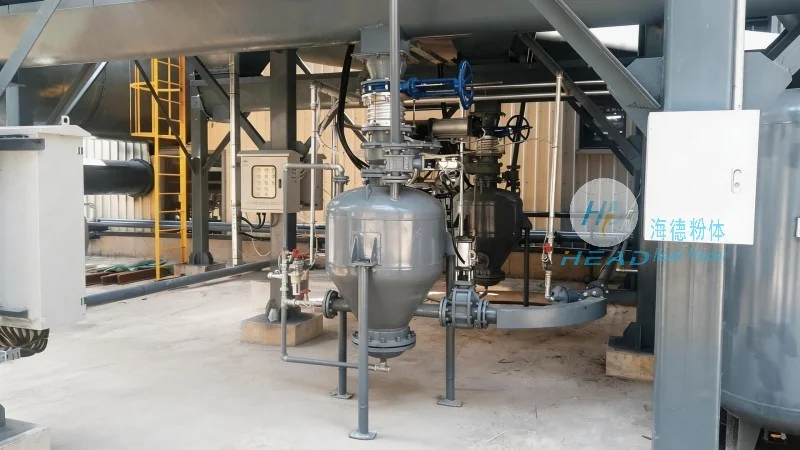
Common Application Ranges for Soap Granule Pneumatic Conveying
Soap granule pneumatic conveying is widely used across various industries due to its adaptability. In the chemical industry, it is commonly employed to transport soap granules from production lines to storage silos or packaging areas. The system's ability to handle fine powders without caking or agglomeration makes it ideal for maintaining product quality. The food and beverage sector also utilizes this technology, particularly in facilities where hygiene and product purity are paramount. For example, in soap manufacturing plants, the system can transport raw materials like fatty acids or surfactants to mixing tanks while maintaining strict sanitary standards. The pharmaceutical industry benefits from the system's ability to handle sensitive materials, as the enclosed environment prevents contamination from airborne particles. Furthermore, in the personal care industry, where soap granules are often used in body washes or shampoos, pneumatic conveying ensures consistent quality and reduces the risk of product degradation. The versatility of the system also makes it suitable for small to medium-sized enterprises (SMEs) and large-scale manufacturing plants alike, catering to different production scales and operational needs.

Operational Considerations and Best Practices
When implementing a soap granule pneumatic conveying system, several operational considerations are crucial for optimal performance. First, the choice of system type depends on the distance between the material source and destination, as well as the material's characteristics such as density, moisture content, and flowability. For instance, a positive pressure system may be preferred for short distances with low-density materials, while a negative pressure system is better suited for longer distances with high-density or abrasive materials. The pipeline design is another critical factor, as proper sizing and layout ensure efficient air flow and prevent blockages. Regular maintenance, including cleaning of filters and checking for air leaks, is essential to maintain system efficiency and prevent downtime. Additionally, monitoring pressure and flow rates provides insights into system performance and helps identify potential issues early. Proper training for operators on system operation and troubleshooting is also vital to ensure safe and effective use of the equipment. By adhering to these best practices, companies can maximize the benefits of soap granule pneumatic conveying and ensure consistent, high-quality material handling.
Conclusion
Soap granule pneumatic conveying systems offer a reliable and efficient solution for transporting fine materials like soap granules in various industrial applications. With their ability to maintain product integrity, reduce contamination, and enhance operational efficiency, these systems are increasingly adopted by industries seeking to improve their material handling processes. As technology advances, the systems continue to evolve, incorporating features like automated controls and energy-efficient designs to meet modern industry demands. For businesses looking to upgrade their material handling infrastructure, understanding the different types, features, and applications of pneumatic conveying systems is essential. By selecting the appropriate system and following best practices, companies can achieve improved productivity, reduced costs, and enhanced product quality, ultimately contributing to their long-term success in the market.