

What is Feed Pneumatic Conveying, Classification and Applications of Pneumatic Conveying
Feed pneumatic conveying is a technology used to transport bulk materials like feed ingredients through a pipeline using air as the conveying medium. This method offers several advantages over traditional mechanical conveying systems, such as reduced equipment wear, lower energy consumption, and improved material handling efficiency. The process involves creating a flow of air within a pipe, which lifts and transports the material particles from the source to the destination. By understanding the principles and applications of feed pneumatic conveying, businesses in the animal feed industry can optimize their material handling operations and enhance overall productivity.

Introduction to Feed Pneumatic Conveying
Feed pneumatic conveying, also known as pneumatic transport, is a system that utilizes air pressure or vacuum to move bulk materials, including feed components like grains, pellets, and additives, through a network of pipes. This technology has become increasingly popular in the animal feed manufacturing sector due to its ability to handle various feed ingredients with minimal degradation and contamination. The core components of a pneumatic conveying system typically include a material hopper, a conveying line, a control valve, and a receiver or discharge point. The system operates by creating a flow of air that draws or pushes the material through the pipeline, ensuring a continuous and efficient transfer process.
Classification of Pneumatic Conveying Systems
Pneumatic conveying systems are generally classified into two main categories: suction (or vacuum) conveying and pressure (or positive) conveying. Each type has distinct characteristics and is suitable for different applications in the feed industry.
Suction conveying systems operate under a negative pressure, where air is drawn into the system to pull material from the source. This method is ideal for applications requiring the transport of materials from multiple points to a single destination, such as moving feed ingredients from silos or storage bins to a processing plant. The system typically uses a vacuum pump to create the necessary suction force, and the material is conveyed through a pipeline with a relatively low air velocity. Suction conveying is often preferred for handling fine or dusty materials, as it minimizes the risk of material spillage and dust dispersion.
Pressure conveying systems, on the other hand, operate under positive pressure, where air is forced into the system to push material through the pipeline. This method is suitable for applications that require the transport of materials from a single source to multiple destinations, such as distributing feed additives or finished products to different storage silos or mixing units. The system uses a blower or compressor to generate the required pressure, and the material is conveyed at a higher air velocity compared to suction systems. Pressure conveying is often more efficient for handling larger quantities of material and can handle a wider range of feed components, including bulkier items like pellets or large particles.
Additionally, there are hybrid systems that combine elements of both suction and pressure conveying. These systems are designed to optimize material handling by using suction for initial material collection and pressure for subsequent distribution. Hybrid systems are particularly useful in complex feed manufacturing operations where materials need to be transported from multiple sources to multiple destinations, ensuring flexibility and efficiency in the overall process.
Applications of Pneumatic Conveying in Feed Industry
The application of pneumatic conveying in the feed industry is widespread, covering various stages of feed production and handling. From raw material intake to finished product distribution, pneumatic systems play a crucial role in ensuring smooth and efficient operations.
One of the primary applications is the transport of raw feed ingredients from storage silos or bulk containers to the feed mill. This includes materials like corn, soybean meal, and other grains, which are typically stored in large silos and need to be moved to the grinding or mixing equipment. Pneumatic conveying systems can efficiently handle these bulk materials, reducing the need for manual handling and minimizing the risk of contamination from external sources.
Another important application is the transfer of feed additives and supplements. Many feed additives, such as vitamins, minerals, and probiotics, are in powder or granular form and require precise handling to maintain their quality and effectiveness. Pneumatic conveying allows for the accurate and controlled transport of these additives from storage bins to the mixing and blending equipment, ensuring consistent dosing and preventing cross-contamination with other feed components.
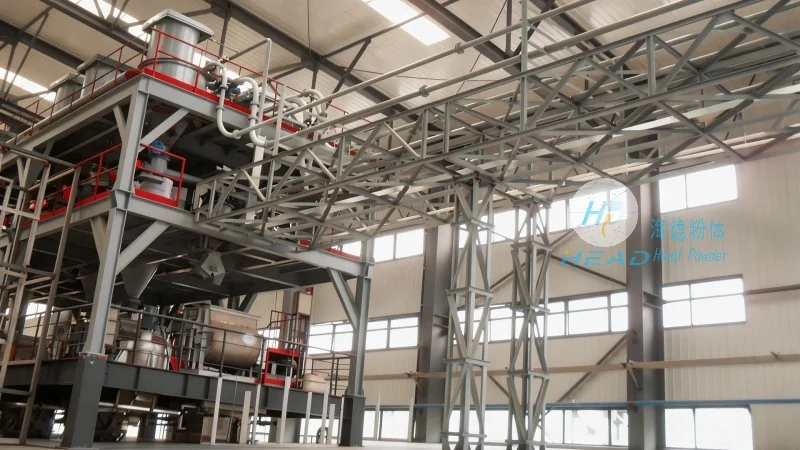
Furthermore, pneumatic systems are used in the distribution of finished feed products to storage silos or packaging lines. After the feed is mixed and processed, it needs to be transported to storage facilities or packaging units for further processing or shipment. Pneumatic conveying provides a reliable and hygienic method for moving finished feed products, ensuring that the product remains intact and free from contamination throughout the transfer process.
In addition to these primary applications, pneumatic conveying is also used in the cleaning and maintenance of feed handling equipment. By using air to purge the pipelines and equipment, operators can remove residual feed materials and prevent the buildup of dust or debris, which can affect the performance and longevity of the conveying system. This maintenance aspect is critical for maintaining the efficiency and hygiene of feed processing operations.
Benefits of Using Pneumatic Conveying in Feed Handling
Implementing pneumatic conveying systems in the feed industry offers numerous benefits that contribute to improved operational efficiency and product quality. These benefits include:
Firstly, pneumatic conveying reduces equipment wear and tear compared to mechanical systems. Since there are no moving parts in direct contact with the material, the risk of abrasion and damage to the conveying equipment is significantly lower. This results in lower maintenance costs and longer equipment lifespan, which is crucial for feed manufacturers aiming to minimize operational expenses.
Secondly, pneumatic systems offer lower energy consumption compared to traditional mechanical conveying methods. The use of air as the conveying medium allows for more efficient energy utilization, as the system can operate at lower air velocities and pressures, reducing the overall energy requirements for material transport. This energy efficiency is particularly important for feed manufacturers who are looking to reduce their carbon footprint and operating costs.
Thirdly, pneumatic conveying enhances material handling efficiency and flexibility. The ability to transport materials from multiple sources to multiple destinations allows for greater operational flexibility, enabling feed manufacturers to adapt to changing production demands and product specifications. Additionally, the system can handle a wide range of feed components, including fine powders, pellets, and bulk materials, without the need for additional equipment or modifications.
Fourthly, pneumatic systems improve product quality and hygiene. By minimizing material contact with external surfaces and reducing the risk of contamination, pneumatic conveying helps maintain the quality and integrity of feed ingredients and finished products. This is particularly important for feed products that are used in animal nutrition, as any contamination or degradation can affect the health and performance of the animals consuming the feed.

Fifthly, pneumatic conveying reduces labor costs and improves workplace safety. The automated nature of pneumatic systems reduces the need for manual handling of bulk materials, which can be physically demanding and pose safety risks. By automating the material transport process, feed manufacturers can improve workplace safety and reduce labor costs associated with manual handling operations.
Considerations for Implementing Pneumatic Conveying Systems
While pneumatic conveying offers numerous benefits, there are several considerations that feed manufacturers should take into account when implementing such systems. These considerations include:
Firstly, the selection of the appropriate conveying system type (suction, pressure, or hybrid) is critical. The choice depends on factors such as the material characteristics, the distance and layout of the conveying system, and the required throughput. For example, suction systems are ideal for short distances and handling fine materials, while pressure systems are better suited for longer distances and handling bulkier materials.
Secondly, the design and sizing of the conveying pipeline are essential for optimal performance. The diameter and length of the pipeline, as well as the air velocity and pressure, must be carefully calculated to ensure efficient material transport without causing excessive wear or energy consumption. Proper pipeline design also helps minimize material degradation and dust generation, which can affect the overall efficiency of the system.
Thirdly, the maintenance and operation of the pneumatic system require regular monitoring and maintenance. This includes checking the condition of the air compressor or vacuum pump, cleaning the pipelines and filters, and ensuring proper air flow and pressure. Regular maintenance is crucial for maintaining the efficiency and reliability of the system and preventing unexpected downtime.
Fourthly, the cost of implementing and operating a pneumatic conveying system should be considered. While the initial investment may be higher compared to traditional mechanical systems, the long-term benefits, such as reduced maintenance costs, lower energy consumption, and improved product quality, often outweigh the initial costs. Additionally, the system's lifespan and operational efficiency should be evaluated to ensure a positive return on investment.
Fifthly, the integration of the pneumatic system with existing feed processing equipment is important. The system should be designed to work seamlessly with other equipment, such as feed mixers, grinders, and storage silos, to ensure smooth and efficient operation throughout the feed production process. Proper integration can help minimize bottlenecks and improve overall production efficiency.
Conclusion
Feed pneumatic conveying is a vital technology in the animal feed industry, offering efficient and reliable methods for transporting bulk materials. By understanding the classification and applications of pneumatic conveying systems, feed manufacturers can optimize their material handling operations and enhance overall productivity. The benefits of using pneumatic systems, including reduced equipment wear, lower energy consumption, and improved product quality, make it an attractive option for modern feed processing facilities. As the feed industry continues to evolve, the adoption of advanced material handling technologies like pneumatic conveying will remain crucial for maintaining competitiveness and meeting the growing demands of the market.