

What is Biomass Powder Pneumatic Conveying, Classification and Applications of Pneumatic Conveying
Biomass powder pneumatic conveying is a vital technology in modern material handling, particularly for industries that process and transport solid particles derived from organic materials. This method leverages the force of a gas stream, typically air, to move bulk materials through a pipeline. Unlike traditional mechanical conveyors, pneumatic systems offer advantages such as reduced dust generation, improved safety, and the ability to handle materials with varying properties. Understanding the principles and applications of this technology is essential for optimizing production processes and ensuring efficient material flow in biomass processing facilities.

Classification of Pneumatic Conveying Systems
Pneumatic conveying systems are broadly classified based on the pressure differential between the conveying line and the ambient environment. The two main categories are positive pressure systems and negative pressure systems, each with distinct characteristics and applications. Positive pressure systems operate by forcing air and material through the pipeline using a compressor, while negative pressure systems draw material from a source into the line using a vacuum pump. A third category, combined systems, integrates elements of both approaches to provide flexibility for complex conveying tasks.
- Positive Pressure (Pressure) Systems: These systems maintain a pressure higher than atmospheric pressure within the pipeline. They are commonly used for long-distance transport and handling of abrasive or sticky materials. The high pressure ensures consistent flow and prevents material buildup, making them suitable for applications like transporting wood chips from a storage silo to a processing plant.
- Negative Pressure (Vacuum) Systems: Negative pressure systems create a vacuum in the pipeline, drawing material from a source into the line. They are ideal for short-distance transport and applications requiring gentle handling of delicate materials, such as fine powders or food products. The low pressure environment minimizes particle degradation and ensures product integrity.
- Combined Pressure-Vacuum Systems: This hybrid approach combines the benefits of both positive and negative pressure systems. It allows for flexible operation, enabling the system to switch between pressure and vacuum modes based on operational needs. This versatility is particularly useful in facilities where material is sourced from multiple locations or where the conveying distance varies.
Applications of Pneumatic Conveying in Biomass Handling
Biomass powder pneumatic conveying is widely utilized across various industries, with significant applications in the agricultural, forestry, and energy sectors. In agriculture, it is employed to transport raw biomass materials such as corn stalks, wheat straw, and other crop residues from fields to processing facilities. The forestry industry benefits from this technology for handling wood chips and sawdust from logging operations, which are then used in pulp and paper production or as raw materials for biofuels. The energy sector, particularly biomass-fired power plants, relies heavily on pneumatic conveying to transport biomass powders from storage silos to combustion chambers, ensuring a steady and efficient fuel supply.
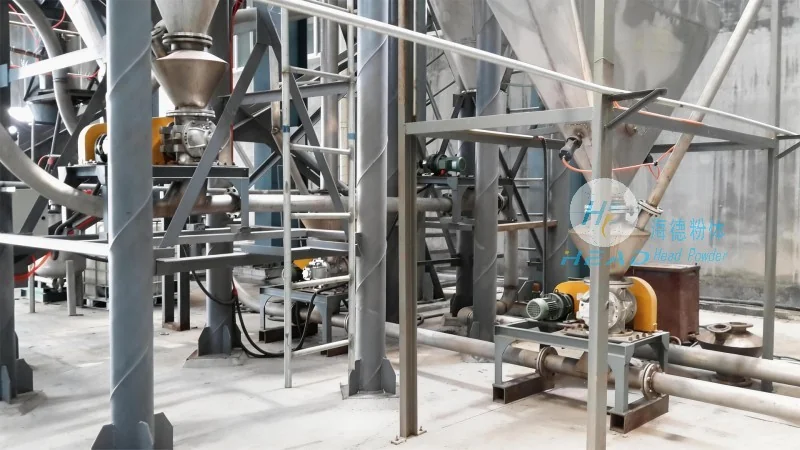
In addition to these primary applications, pneumatic conveying is also used in the food and feed industries for processing and transporting biomass-derived products like animal feed pellets and bio-based ingredients. The technology's ability to handle fine powders and maintain product quality makes it a preferred choice for these applications, where contamination and moisture control are critical.
Key Considerations for Biomass Powder Pneumatic Conveying
The successful implementation of biomass powder pneumatic conveying systems depends on several key factors, including material properties, system design, and operational parameters. Particle size distribution, moisture content, and bulk density are critical characteristics that influence the flow behavior and system performance. For example, fine powders with high moisture content may require additional drying or conditioning to prevent caking and blockages in the pipeline.
The choice of pipeline material is another important consideration. Stainless steel is commonly used for its corrosion resistance and durability, especially when handling acidic or alkaline biomass materials. Plastic pipes are sometimes preferred for non-corrosive applications due to their lower cost and lightweight nature. The diameter and length of the pipeline also impact system efficiency, as larger diameters reduce pressure drop but increase material costs.

System sizing, including the selection of the blower or vacuum pump, is crucial for optimal performance. The capacity of the air mover must match the material flow rate and pipeline resistance to avoid under- or over-pressurization. Proper maintenance, such as regular cleaning of filters and checking for leaks, is essential to ensure long-term system reliability and minimize downtime.
About Shandong HeadPowder Engineering Co., Ltd.
Shandong HeadPowder Engineering Co., Ltd. is a reputable engineering firm specializing in the design, manufacturing, and installation of advanced pneumatic conveying systems. With years of experience in the industry, the company has developed a strong reputation for delivering high-quality solutions tailored to the unique requirements of biomass handling applications. HeadPowder's team of engineers and technicians leverages cutting-edge technology and industry best practices to create customized systems that enhance operational efficiency and reduce costs for clients.