

Components of Silicon Carbide Pneumatic Conveying
When considering the components of a silicon carbide pneumatic conveying system, it's essential to understand the integrated parts that ensure efficient material transport. Such systems are engineered to handle the unique properties of silicon carbide, a high-performance ceramic material widely used in various industrial applications. The design and configuration of these components are critical for maintaining system efficiency, reliability, and safety.

Key Components of Silicon Carbide Pneumatic Conveying Systems
At the core of any silicon carbide pneumatic conveying system are several essential components that work in tandem to facilitate the movement of material from one location to another. These components are meticulously designed to address the specific challenges posed by silicon carbide, such as its abrasive nature and varying particle sizes. The primary components typically include the following:
1. Material Hopper and Feeder
The material hopper serves as the initial storage and feeding unit for silicon carbide. It is constructed from durable materials, often stainless steel or specialized alloys, to withstand the abrasive effects of the material. The hopper is designed with a sloped bottom to facilitate the smooth discharge of material into the feeder. The feeder, usually a rotary or vibratory type, controls the flow rate of silicon carbide into the conveying line. This component is crucial for maintaining consistent material feed, preventing blockages, and ensuring a steady flow into the system. The design of the hopper and feeder is tailored to handle the specific bulk density and flow characteristics of silicon carbide, optimizing the system's performance.

2. Conveying Pipeline and Fittings
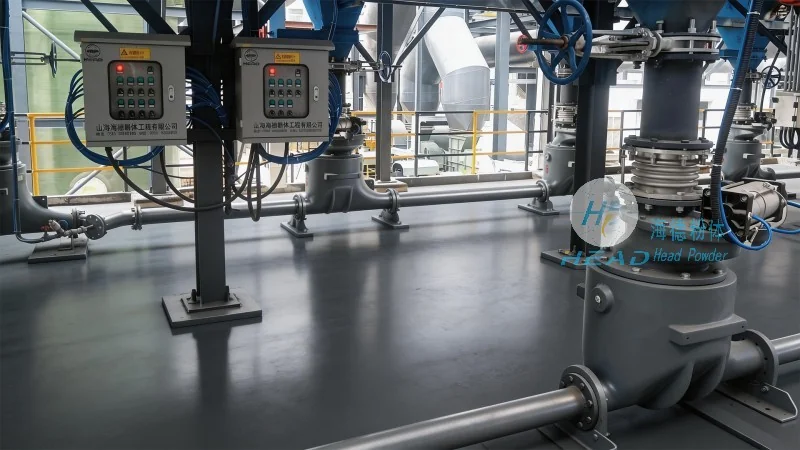
The conveying pipeline is the backbone of the pneumatic conveying system, responsible for transporting silicon carbide particles through the system. These pipelines are typically made from materials resistant to abrasion and corrosion, such as stainless steel or high-grade plastic. The choice of material depends on the specific application and the environment in which the system operates. The pipeline is equipped with various fittings, including elbows, tees, and reducers, which are designed to direct the flow of material and air efficiently. These fittings are often lined with wear-resistant materials to extend the system's lifespan and minimize maintenance requirements. The layout of the pipeline is carefully planned to minimize pressure drops and ensure smooth material transport, which is critical for maintaining system efficiency.
3. Air Supply System
The air supply system provides the necessary airflow to move silicon carbide particles through the pipeline. This system typically includes a blower or compressor, which generates the pressure required to transport the material. The blower is selected based on the system's capacity and the specific characteristics of silicon carbide, such as particle size and density. The air supply is often filtered to remove contaminants, as any debris can cause damage to the system components or affect the quality of the conveyed material. The system may also include a pressure regulator to maintain consistent air pressure, ensuring stable material flow. The air supply component is vital for the overall performance of the pneumatic conveying system, as it directly impacts the system's ability to transport silicon carbide efficiently.
4. Separation and Collection Equipment
After the silicon carbide reaches its destination, it must be separated from the air and collected. The separation equipment, such as cyclones or bag filters, is designed to remove the material from the air stream. Cyclones use centrifugal force to separate particles from the air, while bag filters trap particles in filter bags. The choice of separation equipment depends on the particle size and the required purity of the collected material. The collection system, often a hopper or container, stores the separated silicon carbide, ready for further processing or use. This component is essential for maintaining the quality of the material and preventing dust emissions, which is important for environmental and safety considerations.
5. Control and Monitoring Systems
Modern silicon carbide pneumatic conveying systems are equipped with control and monitoring systems to ensure optimal operation. These systems include sensors and controls that monitor parameters such as pressure, flow rate, and temperature. The control system adjusts the operation of the feeder, blower, and other components based on real-time data, ensuring consistent material transport. The monitoring system provides alerts and notifications in case of system malfunctions or deviations from normal operation. This component enhances the reliability and safety of the system, reducing downtime and maintenance costs. The control and monitoring systems are typically integrated with the other components, creating a cohesive and efficient operation.

Role of Shandong HeadPowder Engineering Co., Ltd.
Shandong HeadPowder Engineering Co., Ltd., a leading provider of pneumatic conveying solutions, specializes in designing and manufacturing systems tailored to the unique needs of silicon carbide applications. With a focus on durability, efficiency, and safety, the company's engineers develop components that address the specific challenges of handling silicon carbide. The company's expertise in material handling and pneumatic conveying technology ensures that their systems are reliable and perform optimally. By incorporating advanced materials and design principles, Shandong HeadPowder Engineering Co., Ltd. delivers high-quality solutions that meet the demands of various industries, including manufacturing, ceramics, and chemical processing. Their commitment to quality and customer satisfaction has established them as a trusted partner in the field of silicon carbide pneumatic conveying.
Conclusion
In summary, the components of a silicon carbide pneumatic conveying system are carefully selected and integrated to ensure efficient and reliable material transport. Each component plays a critical role in the overall performance of the system, from the material hopper and feeder to the air supply and separation equipment. The design and configuration of these components are tailored to the unique properties of silicon carbide, ensuring optimal performance and longevity. With the expertise of companies like Shandong HeadPowder Engineering Co., Ltd., modern pneumatic conveying systems can effectively handle silicon carbide, meeting the demands of various industrial applications while maintaining safety and efficiency.