

Introduction to Caustic Soda Pneumatic Conveying and the Working Principle of Pneumatic Conveying Sy
Caustic soda, also known as sodium hydroxide, is a widely used chemical in various industrial applications, including manufacturing, water treatment, and chemical processing. The efficient and safe handling of caustic soda is crucial for industrial operations, and pneumatic conveying systems have emerged as a reliable method for transporting this corrosive material. This article provides an overview of caustic soda pneumatic conveying, detailing the working principles and benefits of such systems.

Understanding Pneumatic Conveying Systems
Pneumatic conveying systems utilize air or other gases to transport bulk materials, such as powders and granules, from one location to another. These systems are designed to handle materials that are difficult to transport using traditional methods like belt conveyors or trucks. The core components of a pneumatic conveying system typically include a material feed hopper, a conveyor line, a control system, and a dust collection or filtration unit. The system operates by creating a pressure differential, either through suction (negative pressure) or pressure (positive pressure), to move the material along the conveyor line.
The Working Principle of Caustic Soda Pneumatic Conveying
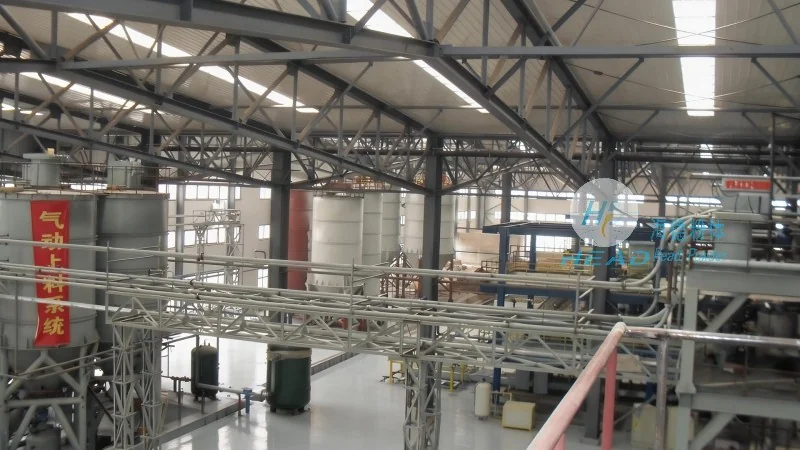
Caustic soda, being a highly reactive and corrosive substance, requires specialized equipment to ensure safe and efficient transport. The pneumatic conveying process for caustic soda involves several key steps. First, the caustic soda powder or granules are fed into the system from a storage hopper. The material is then drawn into the conveyor line by a vacuum or pressure source, depending on the system design. As the material travels through the line, it is mixed with air or gas, which helps to maintain the material's flow and prevent clogging. The system may include a series of bends, elbows, and filters to ensure the material is transported smoothly and without loss. At the destination, the caustic soda is discharged into a receiving container, and the air is filtered and released back into the environment.
Key Components and Design Considerations
The design of a caustic soda pneumatic conveying system must consider several factors to ensure optimal performance and safety. Material compatibility is a critical aspect, as the system components must be resistant to the corrosive nature of caustic soda. Stainless steel and other corrosion-resistant materials are commonly used for the conveyor line, hoppers, and valves. The system also needs to be equipped with proper ventilation and filtration to prevent the release of dust or fumes, which can be hazardous to workers. Additionally, the control system must be robust and easy to operate, allowing for precise control of the conveying process and material flow rates.
Benefits of Using Pneumatic Conveying for Caustic Soda
Implementing a pneumatic conveying system for caustic soda offers several advantages over traditional transport methods. One of the primary benefits is the ability to transport the material in a closed system, which minimizes exposure to the environment and reduces the risk of contamination. This closed system also helps to maintain the material's quality and prevent moisture absorption, which can affect the caustic soda's performance. Another advantage is the flexibility of the system, as it can be easily integrated into existing industrial processes and adapted to different production needs. Furthermore, pneumatic conveying systems can handle high volumes of material efficiently, reducing labor costs and improving overall productivity.

About Shandong HeadPowder Engineering Co., Ltd.
Shandong HeadPowder Engineering Co., Ltd., commonly known as HeadPowder, is a leading manufacturer and supplier of industrial conveying systems, including pneumatic conveying equipment for caustic soda and other chemicals. With a strong commitment to quality and innovation, HeadPowder has established itself as a trusted partner in the chemical processing industry. The company's headquarters is located in Shandong, China, and it serves clients worldwide with customized solutions tailored to their specific needs. HeadPowder's team of experts provides comprehensive support, from system design and installation to maintenance and after-sales service, ensuring that clients receive reliable and efficient conveying solutions.
Conclusion
In conclusion, pneumatic conveying systems play a vital role in the safe and efficient handling of caustic soda in industrial applications. By understanding the working principles and benefits of such systems, industries can improve their operational efficiency and ensure compliance with safety regulations. Shandong HeadPowder Engineering Co., Ltd. offers advanced pneumatic conveying solutions that meet the highest standards of performance and reliability, helping clients achieve their production goals while maintaining safety and environmental compliance.