

Introduction to Granular Fertilizer Pneumatic Conveying and the Working Principle of Pneumatic Conve
Granular fertilizer pneumatic conveying systems represent a critical technology in modern agricultural and industrial operations, enabling efficient and reliable transport of bulk materials. This article provides an overview of the principles and applications of such systems, with a focus on the specific challenges and solutions related to fertilizer handling.
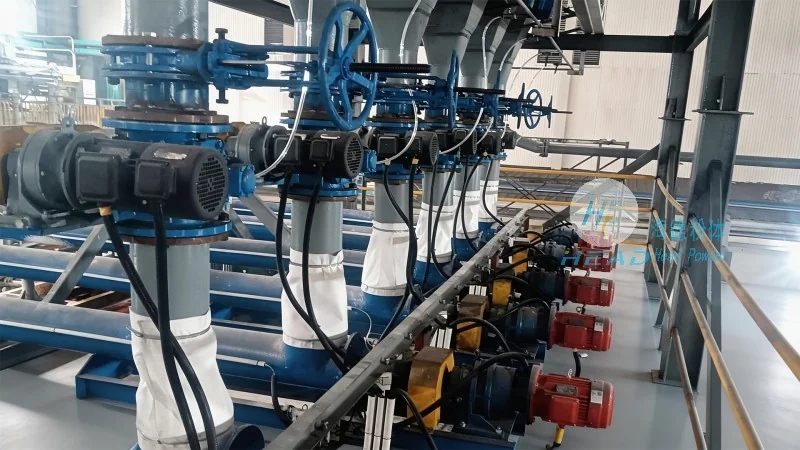
Understanding Pneumatic Conveying Systems
Pneumatic conveying systems utilize air or gas to transport bulk materials through a pipeline network. The core components typically include a material feed hopper, a conveyor line, a control system, and a discharge point. The system operates by creating a pressure differential, either through suction (negative pressure) or pressure (positive pressure), to move the material from the source to the destination. This method offers several advantages over traditional mechanical conveying, such as reduced equipment wear, lower maintenance costs, and the ability to handle materials with varying particle sizes and moisture content.

Key Components of Granular Fertilizer Pneumatic Conveying
The successful operation of a granular fertilizer pneumatic conveying system relies on several key components. The feed hopper is designed to store and meter the fertilizer, ensuring a consistent flow into the conveyor line. The conveyor line itself is often made of corrosion-resistant materials like stainless steel or polyethylene to withstand the chemical properties of fertilizers. A critical component is the air compressor or vacuum pump, which generates the necessary airflow to move the material. Additionally, the system includes a filter and cyclone separator to capture and return any material that may be entrained in the air, preventing loss and maintaining system efficiency.

Working Principle of Pneumatic Conveying for Fertilizers
The working principle involves the introduction of air into the material stream, creating a mixture of particles and air. This mixture is then propelled through the pipeline by the pressure or suction generated by the system. The velocity of the air must be sufficient to overcome the gravitational and frictional forces acting on the fertilizer particles, ensuring they remain suspended and transported effectively. The system’s design, including the pipe diameter, length, and bends, is carefully optimized to maintain the required air velocity and prevent material deposition or blockages.
Applications and Benefits in Fertilizer Handling
Granular fertilizer pneumatic conveying systems are widely used in various stages of fertilizer production and distribution. From raw material handling in manufacturing facilities to storage and distribution at agricultural sites, these systems enhance operational efficiency. The benefits include improved safety by eliminating the need for manual handling of bulk materials, reduced labor costs, and the ability to transport materials over long distances without the need for intermediate storage or handling. Furthermore, the system’s flexibility allows for integration with other processing equipment, such as mixing and packaging lines, creating a seamless production workflow.

About Shandong HeadPowder Engineering Co., Ltd.
Shandong HeadPowder Engineering Co., Ltd., commonly known as HeadPowder, is a leading manufacturer and supplier of pneumatic conveying systems and related equipment. With a strong focus on innovation and quality, HeadPowder has established itself as a trusted partner in the agricultural and industrial sectors. The company’s headquarters is located in Shandong, China, where it leverages advanced manufacturing capabilities and technical expertise to develop customized solutions for its clients. HeadPowder’s commitment to customer satisfaction and product reliability has earned it a reputation for excellence in the industry, making it a preferred choice for businesses seeking efficient and reliable bulk material handling solutions.