

What is a High-Alumina Fly Ash Pneumatic Conveying Equipment? Introduction to the Structure and Prin
High-alumina fly ash is a common byproduct in industrial processes, and efficient handling of this material is crucial for both environmental compliance and operational efficiency. Pneumatic conveying systems offer a reliable solution for transporting such powders over long distances or within complex industrial setups. This article provides an in-depth look at the high-alumina fly ash pneumatic conveying equipment, detailing its structure and operational principles to help users understand its functionality and benefits. The equipment is designed and manufactured by Shandong HeadPowder Engineering Co., Ltd., a leading provider of powder handling solutions in China, with operations based in Shandong, China.
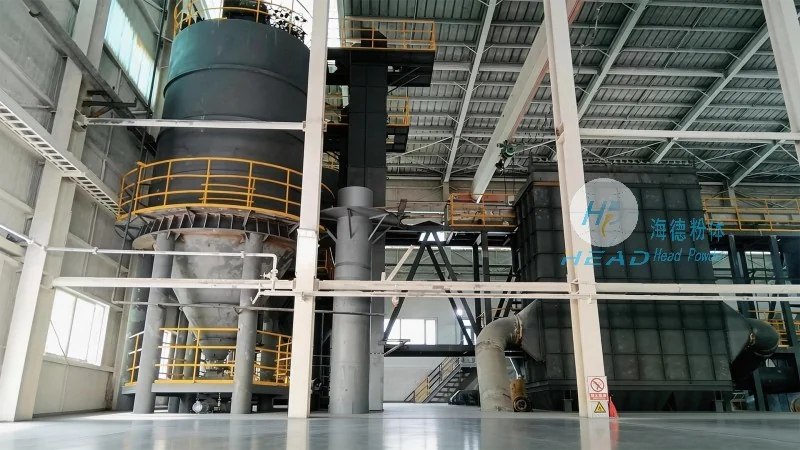
Overview of High-Alumina Fly Ash Pneumatic Conveying Systems
High-alumina fly ash, derived from the combustion of coal in power plants, contains significant amounts of aluminum oxide and other minerals. Handling this material requires specialized equipment to ensure safety, minimize dust emissions, and maintain consistent flow rates. Pneumatic conveying systems utilize air or other gases to transport the powder, eliminating the need for mechanical components that might cause wear or contamination. The core components of such systems include a hopper for material storage, a conveyor line (often with multiple sections), and a control system to regulate air pressure and flow.
Key Structural Components of the Equipment
The high-alumina fly ash pneumatic conveying equipment typically consists of several interconnected parts, each designed to perform a specific function. The first component is the material hopper, which is equipped with a feeding mechanism to ensure a steady supply of fly ash. This hopper is usually made of corrosion-resistant materials like stainless steel to withstand the abrasive nature of the ash. Next, the conveying line comprises a series of pipes or ducts that transport the material from the hopper to the discharge point. These lines are often equipped with bends, valves, and filters to maintain optimal air flow and prevent blockages. The system also includes a blower or compressor that generates the necessary air pressure to move the powder through the line. Additionally, a dust collection system is integrated to capture any airborne particles, ensuring compliance with environmental regulations.

Working Principle of the Pneumatic Conveying Process
The operation of the high-alumina fly ash pneumatic conveying system follows a simple yet effective principle: the material is entrained in a high-velocity air stream and transported through the pipeline. When the material is introduced into the hopper, it falls into the conveyor line as the air is drawn through the system. The air velocity is maintained at a level sufficient to keep the powder suspended, preventing it from settling or clogging the pipes. The system can operate in either positive or negative pressure modes, depending on the application and distance of transport. Positive pressure systems are common for short to medium distances, where the blower pushes air and material through the line, while negative pressure systems are used for longer distances or when the material needs to be conveyed from a higher to a lower elevation.

Advantages of Using High-Alumina Fly Ash Pneumatic Conveying Equipment
Implementing a pneumatic conveying system for high-alumina fly ash offers several advantages over traditional mechanical methods. First, it eliminates the need for moving parts that can wear out or require frequent maintenance, reducing operational costs and downtime. Second, the system is highly effective in controlling dust emissions, as the material is contained within the pipeline and captured by the dust collection system. This not only improves workplace safety but also helps in meeting environmental standards. Third, the equipment allows for flexible and scalable solutions, as the conveying line can be extended or modified to accommodate changes in production volume or layout. Additionally, the system can be integrated with other industrial processes, such as blending or storage, to create a seamless material handling workflow.
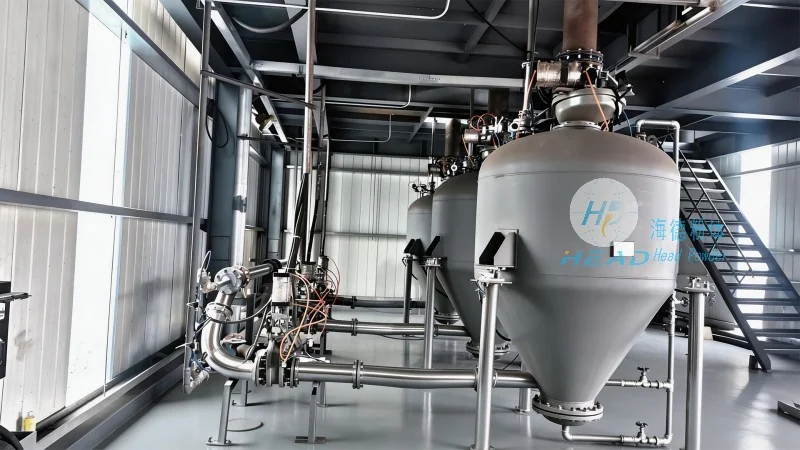
Applications and Industries Using This Equipment
High-alumina fly ash pneumatic conveying equipment is widely used in various industries that generate or process fly ash. The most common applications include power plants, where the ash is transported from the boiler to storage facilities or for reuse in cement production. In the construction industry, the ash is often used as a supplementary cementitious material in concrete, and the conveying system ensures efficient delivery to mixing plants. Other industries that benefit from this technology include chemical manufacturing, where the ash is used as a raw material for producing aluminum compounds, and waste management facilities, where the ash is processed for recycling or disposal. The versatility of the system makes it suitable for a wide range of applications, from small-scale operations to large industrial plants.
Maintenance and Operational Considerations
To ensure the longevity and efficiency of the high-alumina fly ash pneumatic conveying equipment, proper maintenance and operational practices are essential. Regular inspection of the hopper and conveyor line for wear or damage is crucial, as any issues can lead to material blockages or system failures. The blower or compressor should be checked for proper air pressure and flow rates, as insufficient air can cause the material to settle and clog the pipes. The dust collection system should be cleaned regularly to prevent buildup and maintain its effectiveness. Additionally, the system should be operated within the recommended parameters, such as air velocity and material feed rate, to avoid overloading or underloading the equipment. Proper training of operators on the system's controls and safety procedures is also important to prevent accidents and ensure smooth operation.