

Coffee Powder Pneumatic Conveying Equipment: Structure and Principle Introduction
Efficient and reliable transport of coffee powder is crucial in the coffee processing and distribution industry. Pneumatic conveying systems have emerged as a preferred solution for handling fine powders like coffee, offering advantages such as reduced contamination, improved safety, and enhanced process control. This article delves into the structure and working principles of coffee powder pneumatic conveying equipment, providing insights into how these systems operate and the key components that make them effective.
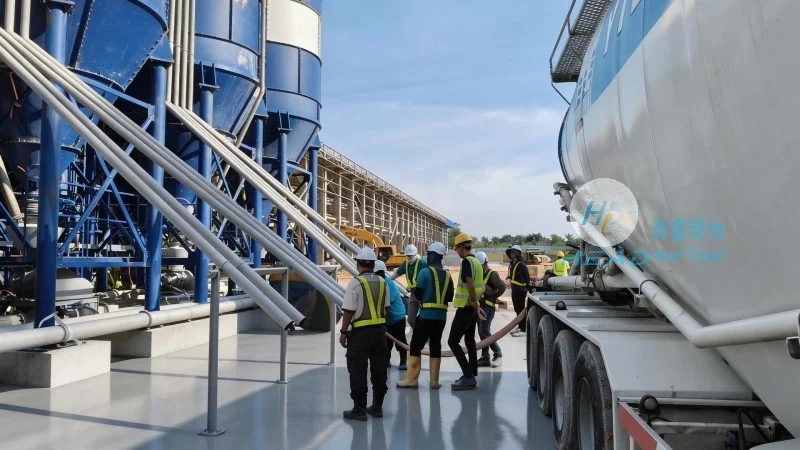
Coffee Powder Pneumatic Conveying Equipment: An Overview
Pneumatic conveying equipment for coffee powder is designed to transport fine particles through a pressurized or vacuumed air stream. Unlike traditional mechanical conveying methods, which may cause particle degradation or contamination, pneumatic systems use air to move the material, ensuring a cleaner and more efficient process. The equipment typically consists of several key components, including a hopper for material storage, a feeder to control the flow rate, a conveying line (often with bends and filters), and a receiver for the discharged material. These components work in tandem to ensure smooth and continuous operation.
Key Structural Components and Their Functions
The structure of coffee powder pneumatic conveying equipment is built around several critical parts, each serving a specific purpose in the material handling process. The hopper, usually made of stainless steel or other corrosion-resistant materials, holds the coffee powder and provides a consistent feed to the system. It often includes a level indicator to monitor the material volume and a discharge valve for controlled release. The feeder, which may be a rotary valve or a screw feeder, regulates the flow rate of the coffee powder into the conveying line, preventing overloading and ensuring stable operation. The conveying line itself is typically made of stainless steel or plastic, with internal surfaces designed to minimize friction and particle buildup. It may include bends, elbows, and filters to direct the air and material flow while trapping any fine particles that could escape into the environment. The receiver, located at the end of the line, collects the transported coffee powder and may include a discharge valve or a bagging system for further processing.

Working Principle of Pneumatic Conveying Systems
The working principle of coffee powder pneumatic conveying equipment relies on the movement of air to transport the material. In a typical system, the feeder introduces the coffee powder into the conveying line, and a fan or blower generates a pressurized air stream that carries the particles forward. The air and powder mixture travels through the line, passing through bends and filters, and eventually reaches the receiver, where the air is separated from the powder and either recirculated or vented. The pressure differential between the hopper and the receiver drives the material flow, ensuring consistent and efficient transport. The system can operate in either positive pressure (where the conveying line is pressurized) or negative pressure (where the line is vacuumed), depending on the application and material characteristics. For coffee powder, positive pressure systems are often preferred as they provide better control over the material flow and reduce the risk of dust exposure.

Advantages of Using Pneumatic Conveying for Coffee Powder
Implementing pneumatic conveying equipment for coffee powder offers several advantages over traditional methods. First, it minimizes product contamination by eliminating direct contact with mechanical parts or external environments. The enclosed system ensures that the coffee powder remains clean and free from contaminants, which is critical for maintaining product quality and meeting regulatory standards. Second, pneumatic systems enhance safety by reducing the risk of dust explosions and inhalation hazards. By containing the material within the system, the equipment prevents dust from escaping into the workplace, creating a safer working environment. Third, the equipment offers improved process control, allowing operators to adjust the flow rate and pressure settings to optimize the conveying process. This flexibility enables precise control over the material handling, ensuring consistent product quality and reducing waste. Additionally, pneumatic conveying systems are more energy-efficient compared to mechanical systems, as they use air to move the material rather than mechanical components, resulting in lower operational costs over time.
About Shandong HeadPowder Engineering Co., Ltd.
Shandong HeadPowder Engineering Co., Ltd., commonly known as HeadPowder, is a leading manufacturer of specialized powder handling equipment, including coffee powder pneumatic conveying systems. With a focus on innovation and quality, HeadPowder has established itself as a trusted partner in the coffee processing industry, providing reliable and efficient solutions for material transport. The company's products are designed to meet the specific needs of coffee manufacturers, offering customizable options to accommodate different production scales and material characteristics. HeadPowder's commitment to customer satisfaction and technical excellence has made it a preferred choice for businesses seeking to enhance their coffee processing operations. Based in Shandong, China, HeadPowder leverages its local expertise and manufacturing capabilities to deliver high-quality equipment that meets international standards and customer requirements.