

What is Reduced Iron Powder Pneumatic Conveying Equipment? An Introduction to the Structure and Prin
Reduced iron powder is a critical material in various industrial applications, and efficient handling of this fine powder is essential for maintaining production efficiency and product quality. Pneumatic conveying systems have emerged as a reliable solution for transporting such materials, and understanding the structure and operational principles of reduced iron powder pneumatic conveying equipment is vital for industries relying on these processes.

Overview of Pneumatic Conveying Systems for Reduced Iron Powder
Pneumatic conveying, or air-based material transport, involves the use of pressurized or vacuum air to move dry powders and granules through a pipeline. This method is particularly suitable for materials like reduced iron powder, which are often sensitive to mechanical stress or contamination. The system typically consists of a few key components that work in tandem to ensure smooth and controlled material transport.
Key Components of Reduced Iron Powder Pneumatic Conveying Equipment
The core components of a reduced iron powder pneumatic conveying system include the material feed hopper, the air supply unit (either a blower or a vacuum pump), the conveying line, and the discharge receiver. Each component plays a specific role in the overall operation of the system.
1. Material Feed Hopper: This component is responsible for storing and feeding the reduced iron powder into the conveying line. The hopper is designed with a controlled discharge mechanism to prevent material bridging or clogging, which can disrupt the flow. The design often incorporates features like a conical bottom and a rotating or vibrating discharge valve to ensure consistent material release.
2. Air Supply Unit: The air supply unit generates the necessary pressure or vacuum to move the powder through the pipeline. For pressurized systems, a positive displacement blower or a centrifugal fan is used to deliver air at a specific pressure, typically ranging from 0.5 to 2 bar. For vacuum systems, a vacuum pump creates a negative pressure that draws the powder into the line. The choice between pressurized and vacuum systems depends on factors such as the distance of transport, the material characteristics, and the desired flow rate.
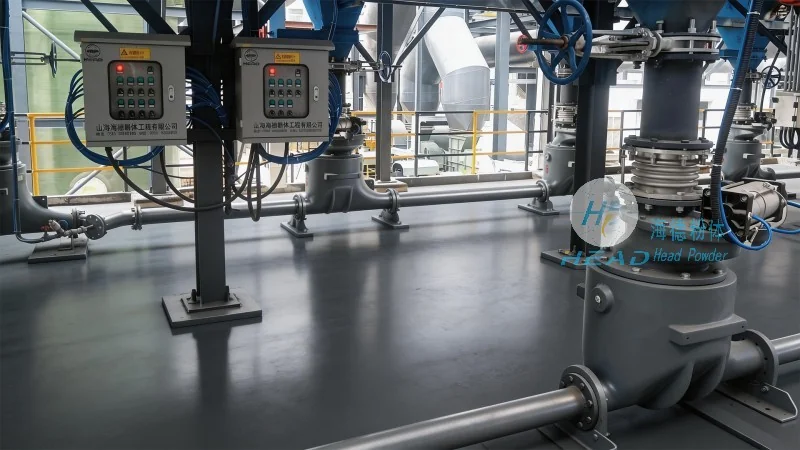
3. Conveying Line: The pipeline is the main channel through which the reduced iron powder is transported. It is usually made of materials like stainless steel or polyethylene to prevent corrosion and ensure durability. The line is equipped with bends, elbows, and straight sections to guide the material to the discharge point. The diameter of the line is carefully selected based on the material flow rate and the air velocity required to maintain a dilute phase flow, which minimizes particle degradation and equipment wear.
4. Discharge Receiver: The discharge receiver collects the material at the end of the conveying line. It is designed to separate the powder from the air stream, typically using a cyclone separator or a bag filter. The receiver may also include a storage hopper to hold the material before it is further processed or packaged. The design ensures that the material is collected efficiently without loss or contamination.
Operational Principle of Reduced Iron Powder Pneumatic Conveying
The operational principle of a reduced iron powder pneumatic conveying system is based on the interaction between the powder particles and the air stream. In a dilute phase system, the powder is suspended in the air as a fine mist, allowing it to travel through the pipeline with minimal resistance. The air velocity is maintained above the minimum fluidization velocity of the powder to prevent settling or clogging. The system operates by creating a pressure differential between the feed and discharge points, which drives the material forward.

During the conveying process, the air and powder mixture flows through the line, and the discharge receiver separates the two phases. The air is typically vented to the atmosphere or recycled, while the powder is collected in the receiver. The efficiency of the system depends on several factors, including the air pressure, the material flow rate, the pipeline length, and the design of the components. Proper maintenance and regular cleaning of the components are essential to ensure consistent performance and prevent downtime.
Benefits of Using Reduced Iron Powder Pneumatic Conveying Equipment
Implementing a pneumatic conveying system for reduced iron powder offers several advantages over traditional mechanical conveying methods. First, it eliminates the need for moving parts in the conveying line, reducing the risk of mechanical failure and maintenance costs. Second, it provides a clean and hygienic environment for handling fine powders, which is crucial for industries such as food, pharmaceuticals, and chemicals. Third, the system can handle long distances and multiple transfer points without significant loss of material or quality. Finally, it offers flexibility in terms of layout and integration with existing production lines.
Applications of Reduced Iron Powder Pneumatic Conveying Systems
Reduced iron powder pneumatic conveying equipment is widely used in various industrial sectors. In the steel industry, it is used to transport reduced iron powder for the production of steel and alloys. In the chemical industry, it is employed in the manufacturing of pigments, catalysts, and other chemical products. The automotive industry also utilizes this equipment for the production of iron-based components and coatings. Additionally, in the food and pharmaceutical industries, it is used for the handling of iron supplements and other fine powders.
Conclusion
Reduced iron powder pneumatic conveying equipment is a sophisticated system that combines advanced engineering and material handling principles to ensure efficient and reliable transport of fine powders. The structure and operational principles of this equipment are designed to meet the specific needs of industries that rely on reduced iron powder. By understanding the components and how they work together, manufacturers can optimize their material handling processes and improve overall productivity. As a leading provider in this field, Shandong HeadPowder Engineering Co., Ltd., based in China, offers high-quality pneumatic conveying solutions tailored to the unique requirements of each client.