

PTFE Pneumatic Conveying Equipment: Structure and Principle of Powder Handling Systems
PTFE (Polytetrafluoroethylene) pneumatic conveying equipment represents a specialized solution for the efficient and reliable transport of powders and bulk materials. As a leading manufacturer in this field, Shandong HeadPowder Engineering Co., Ltd., based in Shandong, China, has developed advanced systems that leverage the unique properties of PTFE to enhance performance and durability in demanding industrial applications.
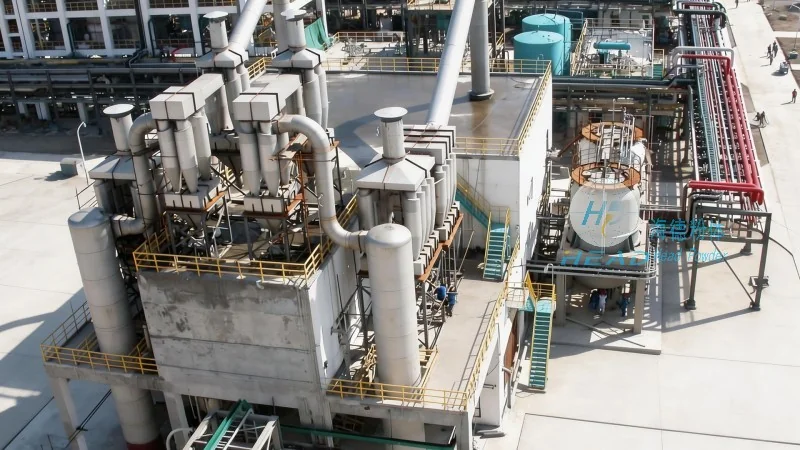
Overview of PTFE Pneumatic Conveying Systems
At the core of PTFE pneumatic conveying equipment is the integration of high-performance components designed to handle abrasive and corrosive materials while maintaining optimal operational efficiency. These systems are engineered to minimize material degradation and ensure consistent flow rates, making them ideal for industries such as pharmaceuticals, food processing, and chemical manufacturing where product purity and safety are paramount.
Key Structural Components and Their Functions
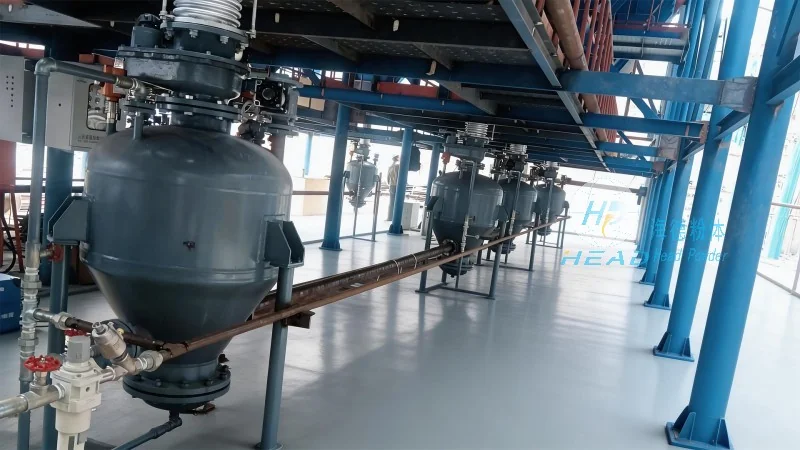
The structure of a typical PTFE pneumatic conveying system includes several critical components, each playing a vital role in the overall operation. The main elements are the hopper, which serves as the material storage and feeding unit; the conveying line, which may consist of flexible hoses or rigid pipes lined with PTFE to prevent material adhesion and corrosion; the air compressor or blower, which generates the necessary airflow to move the material; and the control valves and filters, which regulate the air flow and maintain system cleanliness.
PTFE is strategically used in components such as the hopper lining, pipe interiors, and valve seals due to its exceptional chemical resistance, low friction coefficient, and ability to withstand high temperatures. This material choice ensures that the equipment can handle a wide range of powders without the risk of material buildup or equipment wear, extending the service life of the system.
Working Principle of Pneumatic Conveying
The fundamental principle behind PTFE pneumatic conveying is the use of compressed air to transport dry bulk materials through a closed system. The process typically involves creating a pressure differential between the inlet and outlet of the conveying line. As air is introduced into the hopper, it lifts the material particles and carries them through the pipeline to the discharge point. The design of the system, including the size of the air nozzle, the length of the conveying line, and the angle of the hopper, is optimized to achieve efficient material transport with minimal energy consumption.
In a positive pressure system, the air compressor supplies compressed air to the entire conveying line, ensuring that the material is continuously pushed forward. In contrast, a negative pressure (or vacuum) system draws material from the hopper using a vacuum pump, creating a suction effect that pulls the material through the line. Both systems can be adapted to suit different material characteristics and application requirements, with PTFE components providing a reliable barrier against material contamination and system degradation.
Advantages of PTFE in Pneumatic Conveying
Employing PTFE in pneumatic conveying equipment offers several distinct advantages that make it a preferred choice for many industries. Firstly, PTFE's non-stick surface prevents material adhesion, which is crucial for preventing clogging and ensuring smooth material flow. This property is particularly beneficial when handling sticky or cohesive powders, as it reduces the need for frequent cleaning and maintenance.
Secondly, PTFE's chemical inertness allows the equipment to handle a wide variety of materials, including those that are corrosive or reactive. This makes PTFE systems suitable for transporting chemicals, pharmaceuticals, and food products without the risk of contamination or material degradation. Additionally, PTFE's high temperature resistance enables the equipment to operate in environments where other materials would degrade or fail.
Thirdly, the durability of PTFE components contributes to the long-term reliability of the system. Unlike metal or plastic components that may corrode or wear over time, PTFE-lined parts maintain their integrity under harsh conditions, reducing downtime and maintenance costs. This durability, combined with the efficiency of pneumatic conveying, makes PTFE systems a cost-effective solution for bulk material handling.
Applications and Industry Use Cases
PTFE pneumatic conveying equipment is widely used across various industries due to its versatility and effectiveness. In the pharmaceutical industry, these systems are employed to transport active pharmaceutical ingredients (APIs) and excipients with strict purity requirements. The PTFE lining ensures that the materials remain free from contamination, while the controlled airflow prevents particle degradation.

In the food processing sector, PTFE systems are used to handle dry ingredients such as flour, sugar, and spices. The non-stick and hygienic properties of PTFE make it suitable for food-grade applications, where maintaining product quality and preventing cross-contamination is essential. Similarly, in the chemical manufacturing industry, PTFE equipment is used to transport corrosive chemicals and powders, protecting both the material and the system from damage.
Other applications include the handling of minerals, ceramics, and other abrasive materials in mining and construction industries. The robust design of PTFE components allows the equipment to withstand the harsh conditions associated with these industries, ensuring consistent performance and minimal maintenance.
Maintenance and Operational Considerations
Proper maintenance is essential to ensure the optimal performance and longevity of PTFE pneumatic conveying systems. Regular inspection of PTFE components for signs of wear or damage is recommended, as any degradation can affect the system's efficiency and material handling capabilities. Cleaning the system, particularly the hopper and conveying lines, should be performed using appropriate methods to avoid damaging the PTFE lining.
Additionally, monitoring the air pressure and flow rate is crucial for maintaining consistent material transport. Any fluctuations in these parameters can indicate issues with the system, such as clogged lines or worn components, which should be addressed promptly to prevent system failure. By adhering to proper maintenance practices, users can maximize the operational life of their PTFE pneumatic conveying equipment and minimize downtime.
Conclusion
PTFE pneumatic conveying equipment, as developed by Shandong HeadPowder Engineering Co., Ltd., represents a sophisticated solution for the efficient and reliable transport of powders and bulk materials. By leveraging the unique properties of PTFE, these systems offer superior performance, durability, and safety compared to traditional pneumatic conveying equipment. With applications spanning multiple industries, PTFE systems are an essential tool for modern bulk material handling, providing a cost-effective and efficient means of transporting materials while maintaining product quality and system integrity.