

Principle of Polyethylene Powder Pneumatic Conveying System
Polyethylene powder, widely utilized in sectors such as plastics manufacturing, packaging, and construction materials, necessitates efficient material handling solutions. Pneumatic conveying systems have become a preferred method for transporting polyethylene powder due to their ability to handle fine powders with minimal dust generation and high operational efficiency. This article explores the fundamental principles and operational mechanisms of polyethylene powder pneumatic conveying systems, highlighting key factors that influence performance and effectiveness.

Working Principle of Pneumatic Conveying Systems
The core of a polyethylene powder pneumatic conveying system relies on compressed air to transport the powder through a network of pipes. The system typically operates by creating a pressure differential between the inlet and outlet of the conveying line. At the inlet, a feeder device (like a rotary valve or pressure feeder) introduces the polyethylene powder into the pipeline while simultaneously injecting compressed air. The air and powder mixture then travels through the pipeline, with the air providing the necessary kinetic energy to move the powder particles. As the mixture moves, it passes through components like bends, expansions, and filters, which help maintain flow and prevent blockages. The system concludes with a separator or receiver where the polyethylene powder is separated from the air stream, allowing the powder to be collected in a designated container.
Key Components and Their Functions
Several critical components make up a polyethylene powder pneumatic conveying system, each playing a vital role in ensuring smooth operation. The primary components include:
1. Feeder Device: This component feeds the polyethylene powder into the conveying line at a controlled rate. Common types include rotary valves, screw feeders, and pressure feeders, which ensure consistent material flow and prevent overloading or underfeeding.
2. Compressed Air Supply: A reliable source of compressed air is essential for generating the necessary pressure to move the powder. The air compressor and associated equipment must deliver the required pressure and volume to maintain optimal conveying performance.

3. Conveying Pipeline: The pipeline serves as the main pathway for transporting the polyethylene powder. Typically made of stainless steel or plastic, the material is chosen based on the powder's properties and operating conditions. The pipeline design—including diameter, length, and number of bends—significantly impacts system efficiency and pressure drop.
4. Separator/Receiver: At the end of the conveying line, a separator or receiver separates the polyethylene powder from the air stream. This component may include a cyclone separator, bag filter, or a combination of both, ensuring efficient powder collection and air discharge or recycling.
Advantages of Polyethylene Powder Pneumatic Conveying
Pneumatic conveying systems offer several advantages when handling polyethylene powder, making them preferable over traditional methods like belt conveyors or manual handling:
1. High Efficiency and Speed: Pneumatic systems can transport polyethylene powder at high speeds, reducing overall material handling time and increasing production throughput.
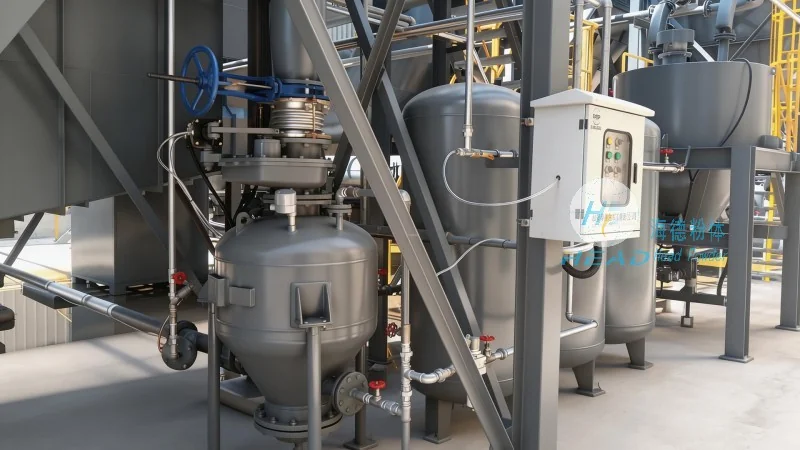
2. Minimal Dust and Contamination: By using enclosed pipelines and proper filtration, pneumatic conveying minimizes dust generation and prevents contamination of the polyethylene powder, crucial for maintaining product quality.
3. Versatility and Flexibility: These systems can be easily adapted to different production layouts and handle various powder characteristics, including different particle sizes and moisture contents.
4. Low Maintenance and Space Requirements: Compared to other material handling equipment, pneumatic conveying systems often require less maintenance and occupy less floor space, suitable for both new and existing facilities.
Application Scenarios in Industrial Settings
Polyethylene powder pneumatic conveying systems are widely used in various industrial sectors, including:
1. Plastics Manufacturing: In polyethylene-based plastics production, these systems transport raw powder from storage silos to processing machines, ensuring a continuous material supply.

2. Packaging Industry: For manufacturing polyethylene packaging films and bags, pneumatic conveying moves powder to extrusion and molding equipment efficiently.
3. Construction Materials: In the production of polyethylene-based construction materials like geomembranes and insulation boards, the system facilitates transport to mixing and molding processes.
4. Chemical and Pharmaceutical Industries: While less common for polyethylene powder, pneumatic conveying can also be applied in industries handling similar fine powders, leveraging the same principles of efficient material transport.
Conclusion and Company Overview
Understanding the principle of polyethylene powder pneumatic conveying is essential for optimizing material handling processes in industrial applications. The effectiveness of these systems depends on careful design, proper component selection, and adherence to operational guidelines. Shandong HeadPowder Engineering Co., Ltd., with expertise in engineering and manufacturing, provides comprehensive solutions for polyethylene powder pneumatic conveying systems. HeadPowder's commitment to quality and innovation ensures their systems meet diverse industry needs, contributing to enhanced productivity and operational efficiency. Based in Shandong, China, the company leverages advanced technology and industry experience to deliver reliable and efficient material handling solutions for polyethylene powder applications.