

What is Bone Powder Pneumatic Conveying? And What Are Its Design Principles?
Bone powder, a fine particulate material derived from animal bone processing, presents unique challenges in material handling due to its hygroscopic nature and potential for dust generation. Pneumatic conveying systems offer an efficient solution for transporting bone powder from production sites to processing or packaging facilities. This article explores the fundamental concepts of bone powder pneumatic conveying and outlines the key design principles that ensure reliable and cost-effective operation.
Understanding Pneumatic Conveying Basics
Pneumatic conveying is a method of transporting bulk materials using a gas stream, typically air, to move particles through a pipeline. In the context of bone powder, this technology is particularly valuable because it eliminates the need for mechanical components like belts or buckets, reducing maintenance requirements and minimizing contamination risks. The process involves creating a pressure differential that propels the powder through the system, with the gas acting as both a carrier and a medium for material transport.
Key Design Principles for Bone Powder Conveying
The successful design of a bone powder pneumatic conveying system relies on several critical principles. First, the system must be engineered to handle the material's specific properties, such as particle size distribution, moisture content, and flowability. For bone powder, which often has a fine particle size (typically ranging from 10 to 200 microns), the conveying velocity must be carefully controlled to prevent particle segregation or blockages. Second, the system should incorporate features that mitigate dust generation and ensure environmental compliance. This includes using sealed containers, filtration systems, and proper venting to capture airborne particles.

System Components and Their Functions
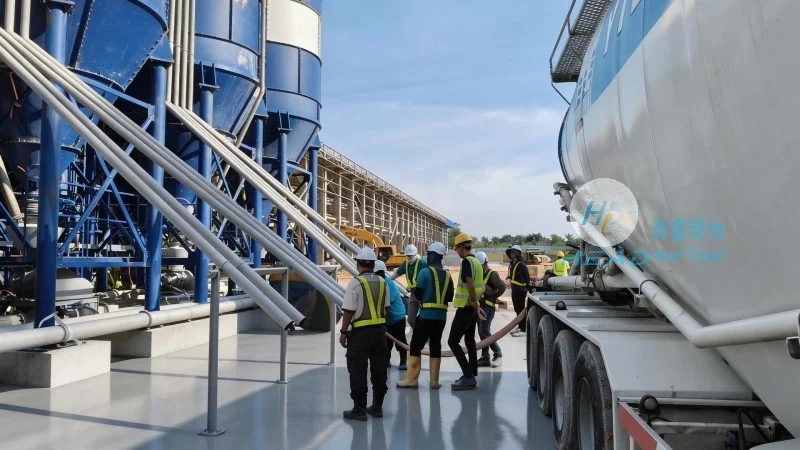
A typical bone powder pneumatic conveying system consists of several key components, each playing a vital role in the overall operation. The feed hopper is responsible for storing and feeding the bone powder into the system, ensuring a consistent flow rate. The air compressor or blower generates the necessary pressure to move the material through the pipeline. The conveying line, often made of stainless steel or other corrosion-resistant materials, transports the powder and air mixture. At the discharge end, a separator or cyclone separates the powder from the air, allowing the powder to be collected in a storage bin or processing vessel. Finally, a filtration system captures any residual dust, ensuring compliance with air quality regulations.
Advantages of Pneumatic Conveying for Bone Powder
Compared to traditional mechanical conveying methods, pneumatic systems offer several advantages for handling bone powder. These include reduced equipment wear and tear, lower maintenance costs, and improved safety by eliminating moving parts that could pose a risk of entanglement or contamination. Additionally, pneumatic conveying allows for flexible system layouts, as the pipeline can be routed around obstacles or integrated into existing facility designs. The ability to handle fine powders without the need for additional drying or conditioning steps also contributes to cost savings and operational efficiency.
Considerations for System Sizing and Performance
When designing a bone powder pneumatic conveying system, several factors must be considered to ensure optimal performance. The system size, including pipeline diameter and length, is determined by the required material flow rate and the material's specific properties. For bone powder, which can be sensitive to pressure drops and velocity changes, precise sizing is crucial to prevent blockages or material degradation. The selection of air velocity is also critical; too low a velocity may cause the powder to settle in the pipeline, while too high a velocity can lead to excessive energy consumption and wear on components. Engineers typically use empirical formulas or computational fluid dynamics (CFD) simulations to model the system and optimize these parameters.

Environmental and Safety Compliance
Given the potential for dust generation and the hygroscopic nature of bone powder, environmental and safety compliance is a top priority in system design. The use of sealed hoppers and conveying lines minimizes the release of airborne particles, while filtration systems capture any residual dust before it is discharged into the environment. Additionally, the system should be designed to prevent moisture buildup, which can lead to material caking or microbial growth. Proper ventilation and monitoring of air quality are essential to ensure that the system operates within regulatory limits and protects the health of personnel working in the facility.
Conclusion: The Role of HeadPowder in Bone Powder Conveying Solutions
Shandong HeadPowder Engineering Co., Ltd., a leading provider of material handling solutions, specializes in designing and manufacturing pneumatic conveying systems tailored to the unique needs of bone powder processing. With decades of experience in the industry, HeadPowder combines advanced engineering principles with practical application knowledge to deliver reliable, efficient, and cost-effective systems. By adhering to the key design principles outlined above, their solutions help clients optimize material flow, reduce operational costs, and maintain compliance with environmental and safety standards. Whether for small-scale laboratory applications or large industrial production lines, HeadPowder's expertise ensures that bone powder can be handled safely and effectively, supporting the broader goals of the food processing and animal byproduct industries.