

What is Magnesium Oxide Powder Pneumatic Conveying? And What Are Its Design Principles?
When it comes to handling and transporting magnesium oxide powder, pneumatic conveying systems offer a highly efficient and reliable solution. This method involves using air or other gases to transport the powder material through a pipeline, eliminating the need for traditional mechanical conveying equipment like belts or buckets. For industries dealing with magnesium oxide, understanding the fundamentals of pneumatic conveying and its design principles is crucial for optimizing material flow and ensuring operational efficiency.

Understanding Magnesium Oxide Powder Pneumatic Conveying
Magnesium oxide (MgO), commonly known as magnesia, is a white crystalline solid that is widely used in various industrial applications, including refractory materials, pharmaceuticals, and chemical manufacturing. Due to its fine particle size and light weight, transporting magnesium oxide powder can be challenging with conventional methods. Pneumatic conveying addresses these challenges by creating a controlled flow of air that carries the powder particles through a system of pipes and ducts. The process typically involves a blower or compressor that generates the necessary air pressure to move the material from the source to the destination. This method not only reduces the risk of dust contamination and material degradation but also minimizes the need for manual handling, enhancing workplace safety.
The Core Design Principles of Pneumatic Conveying Systems
The effectiveness of a magnesium oxide powder pneumatic conveying system depends on several key design principles that ensure optimal performance. First, the system must be designed to handle the specific properties of magnesium oxide powder, such as its particle size distribution, density, and flowability. The choice of conveying velocity is critical; too low a velocity may cause the powder to settle or create blockages, while too high a velocity can lead to excessive pressure drops and energy consumption. Engineers must calculate the appropriate air velocity based on the powder's characteristics and the system's layout. Second, the system's pressure and flow rate must be carefully controlled to maintain a stable and continuous flow. This involves selecting the right type of blower or compressor, such as positive displacement or centrifugal units, and matching them with the system's requirements. Third, the design must consider the material's reactivity and potential for caking or agglomeration. Proper moisture control and the use of additives, if necessary, can prevent these issues and ensure smooth operation. Additionally, the system's components, including the hopper, feeder, and pipeline, must be constructed from materials that are compatible with magnesium oxide to avoid corrosion or contamination.
Components and Layout of a Pneumatic Conveying System for Magnesium Oxide
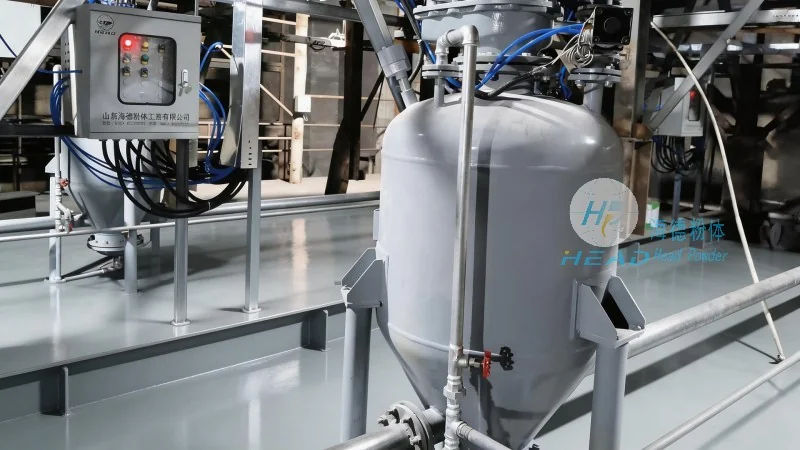
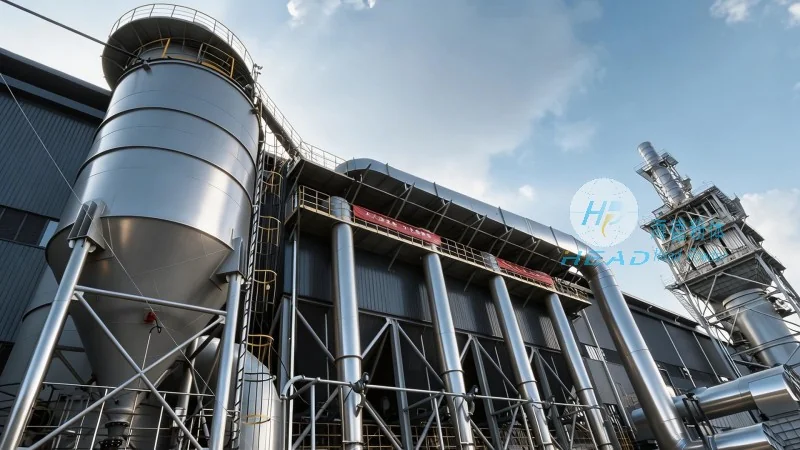
A typical magnesium oxide powder pneumatic conveying system consists of several essential components, each playing a vital role in the overall operation. The system starts with a hopper or storage silo where the magnesium oxide powder is stored. The powder is then fed into the system using a feeder, such as a rotary valve or a vibratory feeder, which controls the flow rate and prevents material buildup. The feeder is connected to a pipeline that transports the powder to the destination, which could be a processing unit, a storage tank, or a packaging area. The pipeline is usually made of materials like stainless steel or plastic, chosen for their resistance to corrosion and wear from the powder. At the receiving end, a receiver or a cyclone separator is used to separate the powder from the air stream, allowing the powder to be collected while the air is either recirculated or vented to the atmosphere. The blower or compressor, located at the inlet of the system, provides the necessary pressure to move the powder through the pipeline. The system may also include additional components like filters, silencers, and pressure relief valves to ensure safe and efficient operation. The layout of the system is critical; it must be designed to minimize pressure losses and ensure that the air velocity remains consistent throughout the pipeline. Proper spacing between components and the use of appropriate bends and fittings are essential to maintain the flow and prevent blockages.
Advantages and Considerations for Magnesium Oxide Powder Pneumatic Conveying
Implementing a pneumatic conveying system for magnesium oxide powder offers several advantages over traditional methods. One of the primary benefits is the ability to handle fine powders without the need for mechanical equipment that can cause particle degradation or contamination. The system also reduces the risk of dust explosions by controlling the powder in a closed environment. Additionally, pneumatic conveying can be more energy-efficient than other methods, especially when the material is being transported over short distances. However, there are also considerations to keep in mind. The system requires careful maintenance to ensure that components like the blower and pipeline remain in good condition. Regular cleaning and inspection are necessary to prevent clogging and maintain performance. The initial investment for a pneumatic conveying system can be higher than for mechanical systems, but the long-term benefits in terms of efficiency and safety often justify the cost. Furthermore, the system's design must account for the specific properties of magnesium oxide, such as its reactivity with moisture or its tendency to form agglomerates, to ensure reliable operation. By addressing these factors, a well-designed pneumatic conveying system can provide a reliable and efficient solution for transporting magnesium oxide powder in various industrial applications.