

Polyvinyl Alcohol Formaldehyde Pneumatic Conveying: An Overview of Its Design Principles
Understanding Polyvinyl Alcohol Formaldehyde Pneumatic Conveying Systems

Introduction to Polyvinyl Alcohol Formaldehyde Pneumatic Conveying
Polyvinyl Alcohol Formaldehyde (PVA-F) pneumatic conveying is a specialized material handling technology widely used in industrial applications for transporting bulk materials. This method involves the use of air or gas to move powders, granules, or other particulate materials through a pipeline system. The process is particularly effective for handling materials that are sensitive to moisture or require a dust-free environment, making it a preferred choice in sectors such as pharmaceuticals, food processing, and chemical manufacturing. As a leading provider in this field, Shandong HeadPowder Engineering Co., Ltd., commonly known as HeadPowder, has extensive expertise in designing and implementing such systems to meet the unique needs of various industries.
Key Components of a PVA-F Pneumatic Conveying System
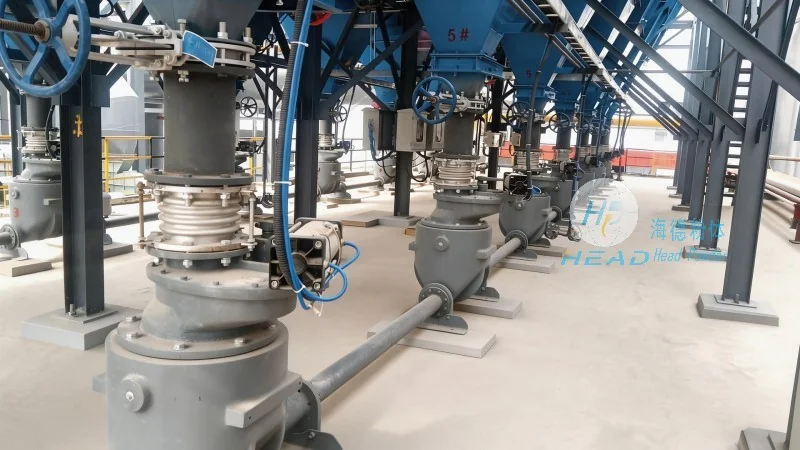
The effectiveness of a PVA-F pneumatic conveying system relies on several critical components that work in concert to ensure efficient material transport. The primary components include the material feed hopper, which holds the bulk material and regulates its flow into the system; the air or gas source, typically a blower or compressor, which provides the necessary pressure to move the material; the conveying line, which can be either positive pressure or negative pressure, depending on the application; and the discharge device, which delivers the material to its final destination. Additionally, auxiliary components such as filters, cyclones, and dust collectors are often integrated to maintain air quality and prevent material loss. Each component must be carefully selected and sized to ensure optimal performance and longevity of the system.
Design Principles for PVA-F Pneumatic Conveying
The design of a PVA-F pneumatic conveying system is a complex process that requires a deep understanding of fluid dynamics, material properties, and system requirements. The primary design principles focus on achieving efficient material transport while minimizing energy consumption and operational costs. One of the key considerations is the selection of the appropriate conveying line type—positive pressure systems use compressed air to push material forward, while negative pressure systems use vacuum to pull material. The choice between these systems depends on factors such as material characteristics, distance to be conveyed, and the need for a dust-free environment. For PVA-F applications, positive pressure systems are often preferred due to their ability to handle more abrasive or corrosive materials and their lower risk of material degradation.

Another critical design principle is the calculation of air velocity and pressure. The air velocity must be sufficient to overcome the resistance of the material in the pipeline and prevent clogging, but not so high as to cause excessive wear on the system components or degrade the material. Engineers at HeadPowder use advanced computational fluid dynamics (CFD) models and empirical data to determine the optimal air velocity and pressure for each application. This ensures that the system operates within safe and efficient parameters, reducing the risk of system failure or material damage.
Material Handling Considerations in PVA-F Pneumatic Conveying
When designing a PVA-F pneumatic conveying system, the properties of the material being transported are of paramount importance. Materials with high moisture content, low bulk density, or abrasive characteristics require specialized considerations to ensure reliable operation. For example, materials that are prone to agglomeration may need additional equipment such as vibrators or pre-drying units to improve flowability. Similarly, materials that are sensitive to temperature changes may require temperature-controlled conveying lines to prevent degradation. HeadPowder's engineers conduct thorough material analysis to identify these characteristics and tailor the system design accordingly, ensuring that the final solution is both effective and cost-efficient.
Advantages of PVA-F Pneumatic Conveying
Polyvinyl Alcohol Formaldehyde pneumatic conveying offers several advantages over traditional material handling methods. One of the most significant benefits is the ability to transport materials in a closed system, which reduces dust emissions and improves workplace safety. This is particularly important in industries where dust is a health hazard or where environmental regulations are stringent. Additionally, pneumatic conveying systems can handle a wide range of materials, from fine powders to large granules, and can transport materials over long distances with minimal loss. The systems are also relatively compact and can be integrated into existing facilities, making them a flexible solution for various industrial applications. Furthermore, the use of positive pressure systems allows for the transportation of materials in both directions, providing greater operational flexibility.
Applications of PVA-F Pneumatic Conveying
PVA-F pneumatic conveying systems are used in a variety of industries due to their versatility and efficiency. In the pharmaceutical industry, these systems are used to transport active pharmaceutical ingredients (APIs) and excipients in a sterile, dust-free environment, ensuring product quality and compliance with regulatory standards. In the food processing industry, they are used to handle ingredients such as flour, sugar, and spices, maintaining product integrity and preventing contamination. The chemical industry also benefits from PVA-F systems for transporting chemicals, catalysts, and other hazardous materials, as the closed system reduces the risk of exposure and environmental impact. Additionally, in the agricultural sector, these systems are used to transport fertilizers and seeds, improving efficiency and reducing labor costs.
Conclusion and Expertise of HeadPowder
Polyvinyl Alcohol Formaldehyde pneumatic conveying is a sophisticated technology that requires careful design and implementation to achieve optimal performance. The design principles, material considerations, and system components all play a critical role in ensuring the success of the system. As a leading company in this field, Shandong HeadPowder Engineering Co., Ltd. leverages its extensive experience and expertise to provide customized solutions that meet the unique needs of each client. With a focus on efficiency, safety, and reliability, HeadPowder has established itself as a trusted partner for industrial material handling solutions. Whether you are in the pharmaceutical, food, chemical, or agricultural industry, HeadPowder's PVA-F pneumatic conveying systems can help improve your operations and enhance your product quality.