

What is a Sorghum Pneumatic Conveying System? What Are Its Design Principles?
Sorghum, a versatile cereal grain widely used in food, animal feed, and biofuel production, often requires efficient and reliable handling systems during processing. One such system that has gained prominence in the industry is the sorghum pneumatic conveying system. This technology offers a solution for the safe and effective transport of sorghum from one point to another within a processing facility. Understanding the components and design principles of this system is crucial for optimizing operations and ensuring product quality.

Understanding the Sorghum Pneumatic Conveying System
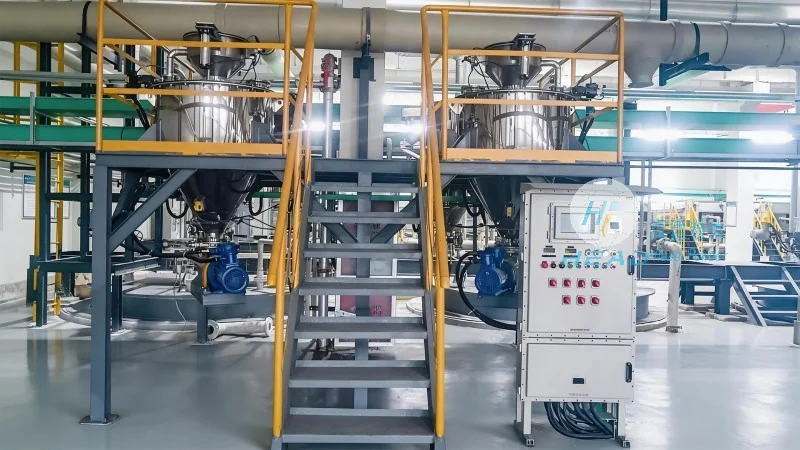
A pneumatic conveying system for sorghum operates by using air to transport the grain through a network of pipes. The system typically consists of several key components, including a hopper for material storage, a feeder to control the flow rate, a conveying line with appropriate air velocity, and a receiver to collect the material at the destination. The entire system is designed to minimize product degradation, reduce labor costs, and enhance overall operational efficiency. By leveraging air as the conveying medium, the system can handle sorghum in a dust-free environment, which is particularly important for maintaining the quality of the grain.
Key Design Principles of the System
The design of a sorghum pneumatic conveying system is based on several critical principles to ensure optimal performance. First, the air velocity within the conveying line must be sufficient to lift and transport the sorghum particles without causing excessive wear on the system components. This is typically achieved by calculating the appropriate air volume and pressure based on the grain's characteristics, such as size, density, and moisture content. Second, the system must be designed to handle the specific properties of sorghum, including its potential for clumping or bridging in hoppers, which can affect flow rates. Proper hopper design, such as using a conical shape with a vibratory or rotary feeder, helps mitigate these issues and ensures a consistent material flow.
Third, the system's layout and piping configuration are crucial for minimizing pressure losses and energy consumption. The use of straight or slightly inclined pipes, along with appropriate bends and elbows, helps maintain the air velocity needed for effective conveying. Additionally, the system may incorporate features like air filters and cyclones to separate the sorghum from the air stream, ensuring that the material is delivered clean and free from dust. These design elements collectively contribute to a reliable and efficient operation of the pneumatic conveying system.

Components and Their Functions
Each component of the sorghum pneumatic conveying system plays a vital role in the overall functionality. The hopper serves as the storage vessel, providing a large capacity to hold the sorghum while allowing for controlled discharge. The feeder, often a rotary or vibratory type, regulates the amount of material entering the conveying line, preventing overloading and ensuring a steady flow. The conveying line, made of durable materials like stainless steel or plastic, is designed to withstand the abrasive nature of sorghum and the pressure of the air flow. The receiver, typically a hopper or silo, collects the material at the end of the conveying process, ready for further processing or storage.
Benefits of Using a Pneumatic Conveying System for Sorghum
Implementing a pneumatic conveying system for sorghum processing offers numerous benefits. Firstly, it significantly reduces the risk of product contamination and damage compared to traditional methods like bucket elevators or belt conveyors. The enclosed system prevents dust and foreign particles from entering the grain, maintaining its quality and purity. Secondly, the system enhances operational efficiency by automating the material handling process, reducing labor requirements and minimizing downtime. This leads to lower operational costs and increased productivity. Additionally, the system can be easily integrated into existing processing facilities, adapting to various production scales and requirements.
Application in Sorghum Processing
The sorghum pneumatic conveying system is widely used in various stages of sorghum processing, from raw material handling to finished product packaging. In the initial stages, the system can transport sorghum from storage silos or trucks to processing equipment like mills or dryers. During the milling process, the system can convey the ground sorghum to storage tanks or packaging lines. In biofuel production, the system is essential for transporting sorghum to fermentation tanks or distillation units. The versatility of the system allows it to handle different forms of sorghum, including whole grains, flour, and bran, making it a valuable asset in diverse processing applications.
Maintenance and Operational Considerations
To ensure the long-term reliability and efficiency of the sorghum pneumatic conveying system, regular maintenance is essential. This includes inspecting and cleaning the conveying lines and filters to prevent blockages and pressure losses. The feeder and hopper components should be checked for wear and tear, and any necessary adjustments made to maintain optimal flow rates. Additionally, monitoring the air pressure and velocity is crucial to detect any issues early and prevent system failures. Proper training of operators on the system's operation and maintenance is also important to maximize its lifespan and performance.
Conclusion
The sorghum pneumatic conveying system is a sophisticated and efficient solution for handling sorghum in processing facilities. By understanding its design principles and components, manufacturers can optimize their operations, improve product quality, and reduce costs. As the demand for sorghum-based products continues to grow, the importance of reliable material handling systems like this will only increase. Companies such as Shandong HeadPowder Engineering Co., Ltd., based in China, specialize in designing and manufacturing such systems, providing tailored solutions to meet the specific needs of their clients in the sorghum processing industry.