

What is a Corn Feed Pneumatic Conveying System? And What Are Its Design Principles?
Here is a detailed exploration of corn feed pneumatic conveying systems, including their design principles and the role of HeadPowder Engineering in implementing them.

Introduction to Corn Feed Pneumatic Conveying Systems
This section introduces the concept of corn feed pneumatic conveying systems, explaining their purpose and importance in agricultural and feed processing industries. The system is designed to efficiently transport corn feed from storage silos or processing facilities to feeding areas, ensuring a continuous and reliable supply of feed for livestock. By utilizing air as the conveying medium, these systems offer a hygienic and efficient method for handling bulk materials like corn, which is a staple in animal feed production.
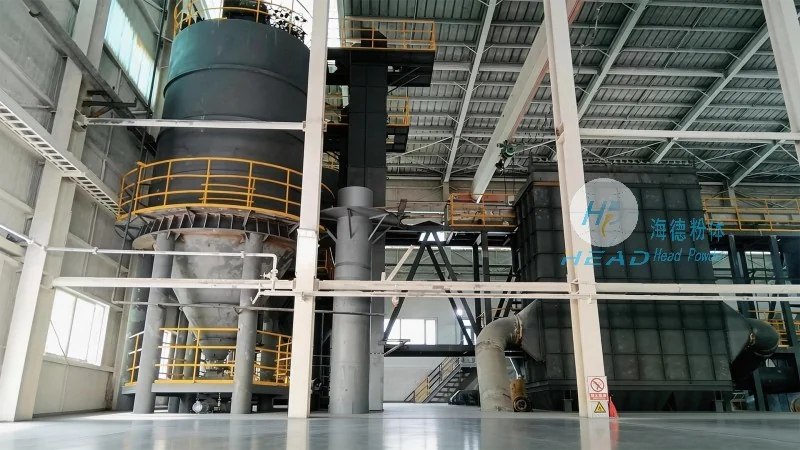
Understanding the Core Function of Corn Feed Pneumatic Conveying Systems
The primary function of a corn feed pneumatic conveying system is to move corn feed from its source to the point of use. This involves the use of a blower or fan to generate airflow, which then lifts and transports the corn particles through a pipeline network. The system typically includes components such as a hopper, feeder, pipeline, and discharge point, all working in tandem to ensure smooth and consistent material flow. The efficiency of the system depends on factors like the type of corn feed (e.g., whole kernel, ground, or pelleted), the system's capacity, and the distance over which the feed needs to be conveyed.

Key Design Principles Behind Corn Feed Pneumatic Conveying Systems
Designing an effective corn feed pneumatic conveying system requires adherence to several critical principles. First, the system must be able to handle the specific characteristics of corn feed, such as its density, moisture content, and particle size. This involves selecting appropriate equipment, such as a rotary valve or screw feeder, to control the feed flow into the pipeline. Second, the system must maintain a consistent airflow pressure to ensure that the corn particles are conveyed without clogging or degradation. This often involves using a positive displacement blower or a centrifugal fan, depending on the system's requirements. Third, the design must consider the overall layout and space constraints of the facility, ensuring that the pipeline is routed efficiently to minimize energy consumption and material loss. Additionally, the system must incorporate safety features, such as pressure relief valves and dust collection systems, to protect both the equipment and the environment.
The Role of HeadPowder in Designing and Implementing These Systems
HeadPowder, a leading engineering company based in Shandong, China, specializes in the design, manufacturing, and installation of corn feed pneumatic conveying systems. With years of experience in the agricultural and feed processing sectors, HeadPowder has developed a deep understanding of the unique challenges associated with handling corn feed. The company's team of engineers and technicians work closely with clients to assess their specific needs, from the volume of feed to be conveyed to the distance and layout of the facility. HeadPowder's approach involves a comprehensive design process, including site surveys, material flow analysis, and system simulation, to ensure that the final solution is both efficient and cost-effective. The company uses high-quality materials and advanced technology to build systems that meet international standards and are tailored to the client's operational requirements. By leveraging their expertise, HeadPowder helps clients optimize their feed handling processes, reduce downtime, and improve overall productivity.

Technical Specifications and Components of the System
A typical corn feed pneumatic conveying system consists of several key components, each playing a crucial role in the overall operation. The blower or fan is the heart of the system, responsible for generating the necessary airflow to lift and transport the corn feed. The system's capacity is determined by the blower's air volume and pressure, which must be matched to the feed's characteristics and the conveying distance. The feeder, often a rotary valve or screw feeder, controls the feed flow into the pipeline, ensuring a consistent and controlled rate of material discharge. The pipeline network connects the feeder to the discharge point and may include bends, elbows, and straight sections, all designed to minimize pressure loss and maintain the flow of air and material. The discharge point, where the corn feed is released into the feeding area, may include a silo or a hopper, depending on the application. Additionally, the system may include a dust collection system to capture any airborne particles and a control panel to monitor and adjust the system's operation. These components work together to create a reliable and efficient system for handling corn feed.