

What is a Water Glass Pneumatic Conveying Equipment? And What Are Its Design Principles?
Water glass pneumatic conveying equipment is a specialized system designed for the efficient and safe transportation of materials, particularly those that are difficult to handle through traditional methods. This equipment utilizes the principles of pneumatic conveying, where materials are transported through a pipeline using air or other gases as the medium. The term "water glass" refers to sodium silicate, a chemical compound often used as a binding agent or additive in various industrial processes. The integration of water glass into the conveying system can enhance the performance and handling characteristics of the material being transported.

Key Components of the Equipment
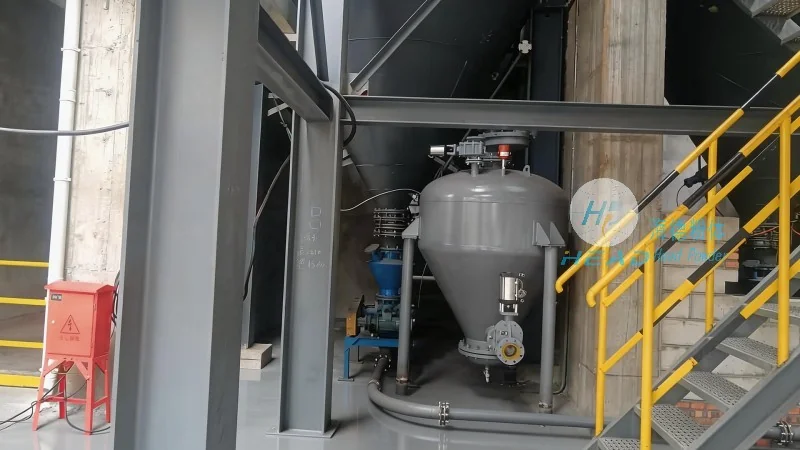
The water glass pneumatic conveying system typically consists of several core components that work in tandem to ensure effective material transport. These components include a material hopper or feeder, which holds the bulk material; a conveying line or pipeline network that transports the material; a blower or air compressor that generates the necessary air pressure; and a dust collector or filter system to manage airborne particles. The water glass is often introduced into the system at the hopper or feeder stage, where it is mixed with the material to be conveyed, improving its flowability and reducing the risk of clogging in the pipeline.
Design Principles and Operational Mechanism
The design principles of water glass pneumatic conveying equipment are centered on optimizing material handling efficiency while maintaining safety and reliability. The operational mechanism involves the following steps: first, the bulk material is loaded into the hopper, and water glass is added as needed. Then, the blower creates a low-pressure zone in the conveying line, drawing the material-air mixture into the pipeline. The mixture travels through the pipeline, with the water glass acting as a lubricant or binder to prevent material degradation and ensure smooth flow. At the discharge end, the material is separated from the air, often through a cyclone separator or filter, and collected in a receiving bin. The air is then cleaned and discharged back into the environment or recirculated for energy efficiency.
Advantages of Using Water Glass in Pneumatic Conveying
Integrating water glass into the pneumatic conveying process offers several advantages. Firstly, it enhances the flowability of the material, reducing the likelihood of blockages and improving the overall conveying efficiency. Water glass acts as a non-toxic, water-soluble binder that can be easily removed or adjusted, making it suitable for a wide range of applications, including food processing, pharmaceuticals, and chemical manufacturing. Secondly, it helps to control dust emissions, as the water glass coats the material particles, reducing airborne dust and improving workplace safety. Additionally, the use of water glass can extend the lifespan of the conveying equipment by minimizing wear and tear on the pipeline and components.

Applications and Industries
Water glass pneumatic conveying equipment is widely used across various industries where bulk material handling is critical. Common applications include the transportation of powders and granules in the chemical industry, such as sodium silicate itself, as well as in the food and beverage sector for handling ingredients like flour, sugar, and spices. In the pharmaceutical industry, it is used for conveying active pharmaceutical ingredients (APIs) and excipients, ensuring that the materials are handled hygienically and without contamination. Other industries that benefit from this technology include mining, where it is used to transport ore and minerals, and construction, where it handles cement and other building materials.
Installation and Maintenance Considerations
Proper installation and regular maintenance are essential for the optimal performance of water glass pneumatic conveying equipment. Installation should be carried out by qualified technicians who understand the specific requirements of the system, including the appropriate sizing of the conveying line, the placement of the blower, and the integration of the water glass feeding system. Regular maintenance involves checking the condition of the blower and air compressor, inspecting the conveying line for any signs of wear or clogging, and cleaning the dust collector and filter system to ensure efficient operation. The water glass system should also be monitored for any changes in viscosity or consistency, as this can affect the conveying performance. By following proper installation and maintenance procedures, the equipment can operate efficiently for extended periods, minimizing downtime and maintenance costs.