

What is a Cement Fly Ash Pneumatic Conveying Equipment? And What Are Its Design Principles?
Understanding the cement fly ash pneumatic conveying equipment and its design principles is crucial for industries dealing with bulk material handling, particularly in the cement and power generation sectors. This equipment is engineered to efficiently transport fly ash, a byproduct of coal combustion, from its source to processing or storage facilities. The technology behind such systems combines the principles of fluidization and air movement to achieve seamless material transport without the need for mechanical components like belts or buckets.

Introduction to Cement Fly Ash Pneumatic Conveying Equipment
Cement fly ash, also known as pulverized fuel ash (PFA), is a fine powder generated during the combustion of coal in thermal power plants. Traditionally, handling this material has been challenging due to its dustiness and the need for consistent, low-loss transport. Pneumatic conveying systems address these challenges by utilizing air as the conveying medium. The equipment typically consists of a hopper for material storage, a blower or compressor to generate the air flow, a pipeline system to direct the material, and a receiver for the discharged material. This integrated approach ensures that fly ash can be moved over long distances with minimal environmental impact and operational downtime.
Design Principles of Pneumatic Conveying Systems
The design of a cement fly ash pneumatic conveying system is based on several key principles to ensure optimal performance and reliability. First, the system must maintain a consistent air flow rate to prevent material settling or blockages in the pipeline. This is achieved through the use of high-efficiency blowers that can handle the specific characteristics of fly ash, such as its particle size distribution and moisture content. Second, the system incorporates pressure or vacuum modes depending on the application. Pressure systems are commonly used for short to medium-distance transport, where the material is pushed through the pipeline using compressed air. Vacuum systems, on the other hand, are ideal for longer distances or when the material needs to be drawn from multiple sources. The choice between these modes depends on factors like the distance to be covered, the volume of material to be transported, and the layout of the facility.
Key Components and Their Functions
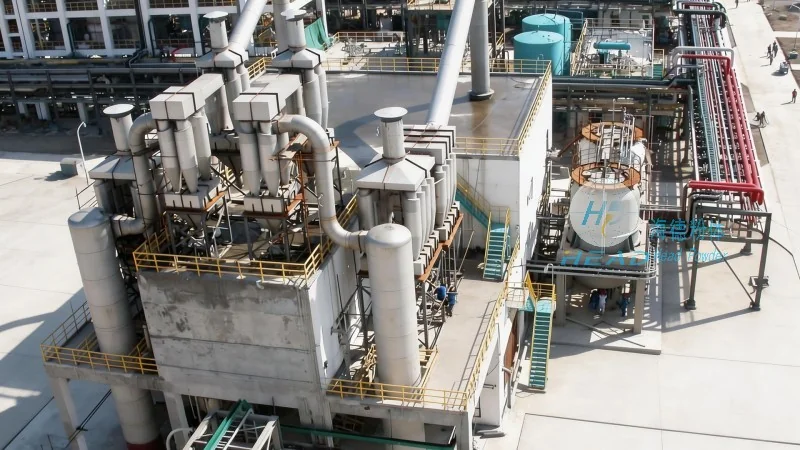
Several critical components make up a cement fly ash pneumatic conveying system. The hopper serves as the initial storage vessel, equipped with a discharge valve to control the flow of material into the system. The blower or compressor is the heart of the system, providing the necessary pressure or vacuum to move the material. It must be capable of handling the specific air requirements for the material being conveyed, including considerations for air volume and pressure. The pipeline system is designed with smooth, corrosion-resistant materials to prevent material buildup and ensure consistent flow. Often, the pipeline includes bends and fittings that are optimized to minimize pressure drop and maintain the material's fluidization state. The receiver, or discharge hopper, collects the material at the end of the conveying process, with a discharge valve to regulate the outflow. Additionally, the system may include filters and cyclones to separate any entrained air from the material, ensuring that the final product is clean and free from dust.

Advantages of Using Pneumatic Conveying for Cement Fly Ash
Implementing a pneumatic conveying system for cement fly ash offers several advantages over traditional mechanical methods. First, it reduces the risk of dust contamination and environmental pollution, as the material is contained within the pipeline during transport. This is particularly important for fly ash, which can be a source of fine particulate matter. Second, the system minimizes material loss, as there are no open chutes or transfer points where material can spill or be lost. This improves overall material efficiency and reduces waste. Third, pneumatic conveying systems are generally more compact and can be integrated into existing facility layouts with minimal disruption. They also offer greater flexibility in terms of route changes and material routing, allowing for adaptability in production processes. Finally, the operation of such systems is often automated, reducing the need for manual labor and improving safety in the workplace.

Application Scenarios and Industry Impact
Cement fly ash pneumatic conveying equipment is widely used in the cement industry for transporting fly ash from power plants to cement production facilities. This allows cement manufacturers to incorporate fly ash as a supplementary cementitious material, reducing the need for natural cement and improving the overall sustainability of the product. The equipment is also utilized in power generation plants to transport fly ash from the boiler to storage silos or disposal sites. In both cases, the system ensures that the material is handled safely and efficiently, contributing to the overall productivity and environmental compliance of the facility. The technology has become a standard in industries where bulk material handling is critical, and its adoption has led to improved operational efficiency and reduced costs over time.
Conclusion and Company Overview
In conclusion, the cement fly ash pneumatic conveying equipment is a sophisticated solution for the efficient and safe transport of fly ash. Its design principles, centered on fluidization and air movement, enable reliable operation over various distances and material characteristics. The system's components work in harmony to ensure consistent performance, minimal material loss, and environmental protection. For industries dealing with cement and fly ash, investing in such equipment is a strategic decision that enhances operational efficiency and aligns with sustainability goals. Shandong HeadPowder Engineering Co., Ltd., a leading provider in this field, specializes in the design, manufacturing, and installation of pneumatic conveying systems tailored to the specific needs of clients. With a focus on quality and innovation, the company has established itself as a trusted partner in the bulk material handling industry, serving clients across China and beyond. Based in Shandong, China, HeadPowder Engineering leverages its expertise to deliver customized solutions that meet the unique requirements of each project, ensuring long-term performance and customer satisfaction.