

What is a Low-Pressure Continuous Pneumatic Conveying System? What Are Its Design Principles?
Low-pressure continuous pneumatic conveying systems are a critical technology in material handling, enabling the efficient transport of bulk materials over moderate distances while maintaining material integrity. These systems operate by utilizing a low-pressure air stream to move powders, granules, or other particulate materials through a pipeline network. The design of such systems is paramount to achieving optimal performance, minimizing energy consumption, and ensuring reliable operation. This article delves into the fundamental aspects of low-pressure continuous pneumatic conveying systems, exploring their working principles and key design considerations, with a focus on the expertise of Shandong HeadPowder Engineering Co., Ltd., a leading provider in the field.

Understanding Low-Pressure Continuous Pneumatic Conveying Systems
A low-pressure continuous pneumatic conveying system is a type of material handling equipment that employs a steady, low-pressure air flow to transport bulk materials from a source to a destination. Unlike high-pressure systems, which rely on high-velocity air to create a significant pressure differential, low-pressure systems typically operate at pressures ranging from 0.5 to 2 bar (7 to 29 psi). This lower pressure reduces energy costs and equipment wear, making them suitable for a diverse range of applications, including food processing, pharmaceuticals, chemicals, and industrial powders. The system's design must account for the material's characteristics, such as particle size, density, and flowability, to ensure effective and efficient conveying.
Core Components of a Low-Pressure Continuous System
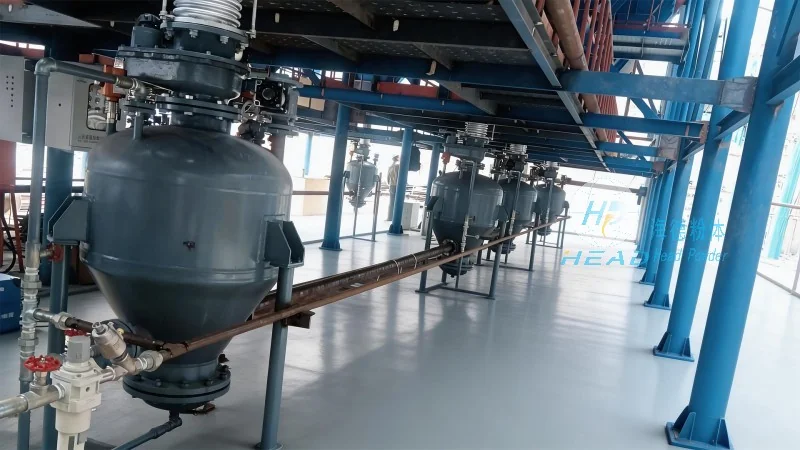
The essential components of a low-pressure continuous pneumatic conveying system include the material feed hopper, the air compressor or blower, the conveying pipeline, the material separator or receiver, and control valves. The material feed hopper is engineered to store and meter the material into the system, ensuring a consistent flow rate. The air compressor or blower supplies the necessary low-pressure air stream to move the material through the pipeline. The conveying pipeline, often made of stainless steel or other corrosion-resistant materials, is designed to handle various materials while maintaining hygiene standards. The material separator or receiver collects the conveyed material and may incorporate features like cyclones or filters to separate air from the material. Control valves are used to regulate the air flow and material discharge, allowing for precise control over the conveying process.

Working Principle of Low-Pressure Continuous Conveying
The operation of a low-pressure continuous pneumatic conveying system involves several key steps. First, the material is fed from the hopper into the pipeline at a controlled rate. Simultaneously, the air compressor supplies a low-pressure air stream that flows through the pipeline. As the material enters the pipeline, it is entrained by the air stream and carried along the pipeline to the destination. The air and material mixture travels through the pipeline, with the air providing the necessary force to move the material. At the receiving end, the material is separated from the air using a separator or receiver, and the air is typically filtered and recycled back into the system to enhance efficiency and reduce waste. This continuous process ensures a steady flow of material with minimal downtime.
Design Principles and Critical Considerations
The design of a low-pressure continuous pneumatic conveying system requires meticulous attention to several factors to ensure optimal performance. One of the primary considerations is the material characteristics, such as particle size distribution, density, and flowability. These properties dictate the air velocity required to entrain the material and the pressure drop along the pipeline. The system designer must calculate the appropriate air velocity and pressure to prevent material degradation and ensure smooth flow. Another critical factor is the pipeline layout and length, including elevation changes and bends. The design must account for these elements to minimize pressure losses and avoid blockages or material buildup. Properly sized and positioned components, such as feeders and separators, are essential to maintain the system's efficiency and reliability. Shandong HeadPowder Engineering Co., Ltd. leverages advanced engineering techniques to optimize these design aspects, ensuring customized solutions that meet specific operational needs.
Advantages of Low-Pressure Continuous Systems
Low-pressure continuous pneumatic conveying systems offer several advantages over alternative material handling methods. One of the main advantages is their ability to handle a wide range of materials, including sensitive or abrasive powders, without causing damage or contamination. The low pressure and gentle handling of the material minimize the risk of particle degradation, making them ideal for applications where material quality is critical, such as in the food and pharmaceutical industries. Additionally, these systems are relatively compact and can be installed in various layouts, including horizontal and vertical configurations, to fit the space constraints of a facility. The continuous operation of the system ensures a steady flow of material, reducing downtime and improving overall productivity. The energy efficiency of low-pressure systems also contributes to lower operational costs, making them a cost-effective solution for long-term material handling needs.
Applications in Diverse Industries
Low-pressure continuous pneumatic conveying systems are widely utilized across various industries due to their versatility and efficiency. In the food industry, they are used to transport ingredients like flour, sugar, and spices, ensuring hygienic handling and preventing cross-contamination. In the pharmaceutical industry, these systems are employed to convey active pharmaceutical ingredients (APIs) and other powders, maintaining strict quality control and compliance with regulatory standards. The chemical industry also relies on low-pressure systems to transport chemicals, such as powders and granules, in manufacturing processes. Additionally, in the agricultural sector, these systems are used to handle bulk materials like grains and seeds, improving the efficiency of storage and processing operations. The adaptability of low-pressure systems makes them suitable for both small-scale and large-scale industrial applications.
Conclusion
Low-pressure continuous pneumatic conveying systems represent a reliable and efficient solution for material handling in modern industrial operations. By understanding the design principles and key components of these systems, manufacturers can optimize their processes and enhance productivity. The continuous innovation in technology ensures that low-pressure systems remain a viable option for future material handling needs. As industries continue to demand higher efficiency and quality in their operations, the importance of well-designed low-pressure pneumatic conveying systems will only grow. Shandong HeadPowder Engineering Co., Ltd. stands at the forefront of this technology, providing expertly engineered solutions that meet the evolving demands of the material handling industry.