

What is a Malt Pneumatic Conveying System? And What Are Its Design Principles?
For businesses in the malt processing industry, efficient material handling is crucial to maintaining production efficiency and product quality. One of the key technologies used in this sector is the malt pneumatic conveying system. This article will explore what a malt pneumatic conveying system is and delve into the core design principles that underpin its operation.

Understanding Malt Pneumatic Conveying Systems
A malt pneumatic conveying system is a type of material handling equipment that uses compressed air or vacuum to transport malt grains or other bulk materials from one location to another. Unlike traditional mechanical conveyors, which rely on belts, chains, or screws, pneumatic systems utilize air flow to move the material through a pipeline. This method offers several advantages, including the ability to transport materials over long distances, through vertical or horizontal paths, and even around obstacles, all while minimizing product contamination and damage.
Key Components of a Malt Pneumatic Conveying System
At the heart of any pneumatic conveying system are several key components that work in tandem to ensure smooth operation. These typically include a hopper or feeder to store and feed the malt, a compressor or vacuum pump to generate the air pressure or vacuum, a pipeline network to transport the material, and a receiver or discharge unit to collect the delivered malt. In addition, many systems incorporate accessories such as filters, cyclones, and silencers to manage dust, maintain air quality, and reduce noise levels.
Design Principles for Malt Pneumatic Conveying Systems
The design of a malt pneumatic conveying system is a critical process that requires careful consideration of several factors to ensure optimal performance and longevity. The primary design principles include:
1. Material Characteristics and Flow Properties
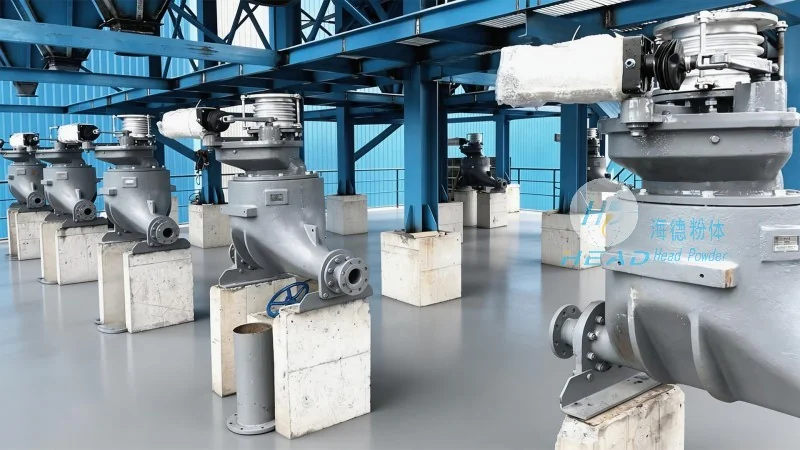
The physical properties of the malt, such as particle size, density, moisture content, and flowability, are fundamental to system design. For example, fine or powdery malt may require a different conveying method compared to larger, more irregularly shaped grains. Engineers must analyze these properties to select the appropriate air velocity, pipeline diameter, and pressure levels to prevent blockages and ensure consistent flow.
2. System Pressure and Air Velocity
Two primary types of pneumatic conveying systems exist: positive pressure (or pressure) systems and negative pressure (or vacuum) systems. Positive pressure systems use compressed air to push the material through the pipeline, while negative pressure systems use a vacuum to draw the material in. The choice between these systems depends on the distance to be covered, the height of vertical lifts, and the material's characteristics. The air velocity within the pipeline is also a critical parameter; it must be high enough to keep the material in suspension but low enough to prevent excessive wear on the pipeline and components.
3. Pipeline Design and Layout
The layout of the pipeline network is another crucial design consideration. The system must be designed to minimize bends, changes in direction, and vertical lifts, as these can cause pressure drops and increase the risk of material buildup or blockages. Engineers often use computational fluid dynamics (CFD) simulations to optimize the pipeline design and ensure that the air flow and material transport are efficient and reliable.
4. Equipment Selection and Sizing
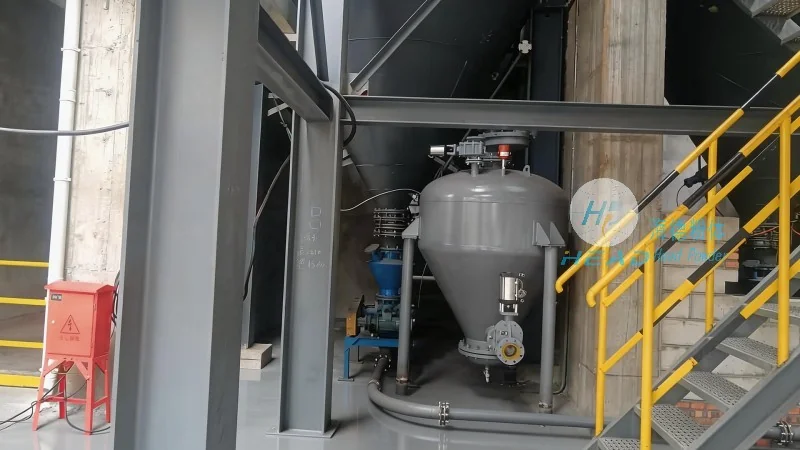
Choosing the right equipment, such as the compressor or vacuum pump, and sizing the components (e.g., pipeline diameter, hopper capacity) is essential for system performance. The compressor must be capable of delivering the required air volume and pressure at the operating conditions. Similarly, the pipeline diameter must be large enough to accommodate the material flow without causing excessive pressure losses. Proper sizing ensures that the system operates efficiently, with minimal energy consumption and maximum throughput.
Applications and Benefits in Malt Processing
Malt pneumatic conveying systems are widely used in the malt industry for various applications, including transporting malt from storage silos to milling equipment, moving malt between different processing stages, and delivering malt to packaging lines. The benefits of using such systems include improved hygiene and cleanliness, as the material is contained within a sealed pipeline, reducing the risk of contamination from dust or airborne particles. Additionally, pneumatic systems offer greater flexibility in layout compared to traditional conveyors, allowing for easier integration into existing production facilities.
Conclusion
In conclusion, a malt pneumatic conveying system is a sophisticated piece of equipment that leverages compressed air or vacuum to transport malt efficiently and safely. The design principles, which consider material properties, system pressure, pipeline layout, and equipment selection, are critical to ensuring the system operates at peak performance. For businesses in the malt processing industry, investing in a well-designed pneumatic conveying system can lead to improved productivity, reduced operational costs, and enhanced product quality. As a leading manufacturer in this field, Shandong HeadPowder Engineering Co., Ltd. specializes in providing customized solutions tailored to the specific needs of malt processing facilities, ensuring that clients receive systems that are both efficient and reliable.