

What is a Lithium Oxide Pneumatic Conveying System? And What Are Its Design Principles?
Lithium oxide, a critical material in various industrial applications, often requires efficient and safe handling methods. The lithium oxide pneumatic conveying system emerges as a sophisticated solution designed to transport this material with precision and reliability. This system leverages pneumatic technology to move lithium oxide powder or granules through a closed pipeline network, ensuring minimal contamination and optimal control over the material's flow. As industries increasingly rely on lithium oxide for battery production, energy storage, and other high-tech applications, the need for advanced material handling systems becomes paramount. The lithium oxide pneumatic conveying system addresses these needs by combining mechanical engineering principles with pneumatic dynamics to create a robust, efficient, and safe transport solution.


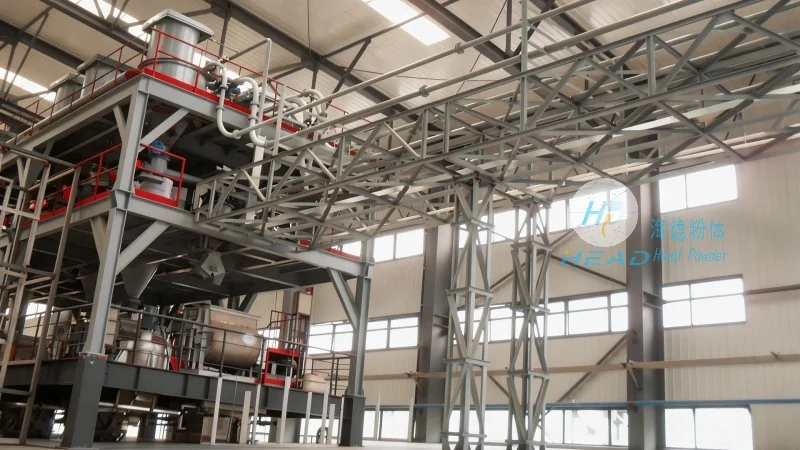
Understanding the Core Function of Lithium Oxide Pneumatic Conveying Systems
At its core, the lithium oxide pneumatic conveying system is engineered to transport lithium oxide material from a source to a destination, such as a storage silo, processing unit, or packaging station. The primary function is to move the material in a controlled manner, preventing dust generation, material degradation, and ensuring consistent flow rates. This is achieved through the use of compressed air or other gases to create a pressure differential that propels the material through the pipeline. The system is particularly suitable for lithium oxide due to its sensitivity to moisture and air exposure, as it maintains the material's integrity throughout the transport process. By eliminating the need for manual handling or mechanical conveyors that might cause contamination or material loss, the pneumatic system offers a superior alternative for handling lithium oxide.
Design Principles Underpinning Lithium Oxide Pneumatic Conveying Systems
The design of a lithium oxide pneumatic conveying system is guided by several key principles that ensure its effectiveness and safety. First, the system must maintain a closed environment to prevent the material from coming into contact with external air, which could lead to oxidation or contamination. This is achieved through the use of sealed pipelines, valves, and transfer points. Second, the system is designed to handle the specific properties of lithium oxide, such as its particle size, density, and flow characteristics. Engineers tailor the system's components, including the air flow rate, pipeline diameter, and pressure levels, to match these properties. Third, the system incorporates safety features to protect both the material and the operators. This includes pressure relief valves, dust collection systems, and emergency shut-off mechanisms. The design also emphasizes energy efficiency, using optimized air flow rates to minimize power consumption while maintaining reliable material transport. These principles collectively ensure that the lithium oxide pneumatic conveying system operates efficiently, safely, and sustainably.