

What is a Biological Enzyme Pneumatic Conveying System? And What Are Its Design Principles?
A biological enzyme pneumatic conveying system is a specialized industrial equipment designed to transport bulk materials, particularly those that are sensitive or require controlled handling, using compressed air or other gases as the conveying medium. This technology is widely used in various industries, including pharmaceuticals, food processing, and chemical manufacturing, where maintaining product integrity and hygiene is paramount. The system combines the principles of pneumatic transport with the unique properties of biological enzymes, ensuring efficient and gentle material handling.

Core Design Principles of Biological Enzyme Pneumatic Conveying Systems
The design of a biological enzyme pneumatic conveying system is built on several key principles to ensure optimal performance and product protection. First, the system must maintain a controlled environment, typically at low temperatures and under sterile conditions, to preserve the activity and stability of the enzymes. This is achieved through insulated pipelines, temperature-controlled hoppers, and air filtration systems that prevent contamination. Second, the conveying process is designed to minimize shear and impact forces on the material, as enzymes are often delicate and can be denatured by harsh handling. The system uses low-velocity air flow and gentle acceleration/deceleration mechanisms to achieve this. Third, the system incorporates precise control of air pressure and flow rates, which are critical for maintaining consistent material transport and preventing clogging or blockages. Advanced sensors and control systems are employed to monitor and adjust these parameters in real-time, ensuring reliable operation.

Components and Functional Aspects of the System
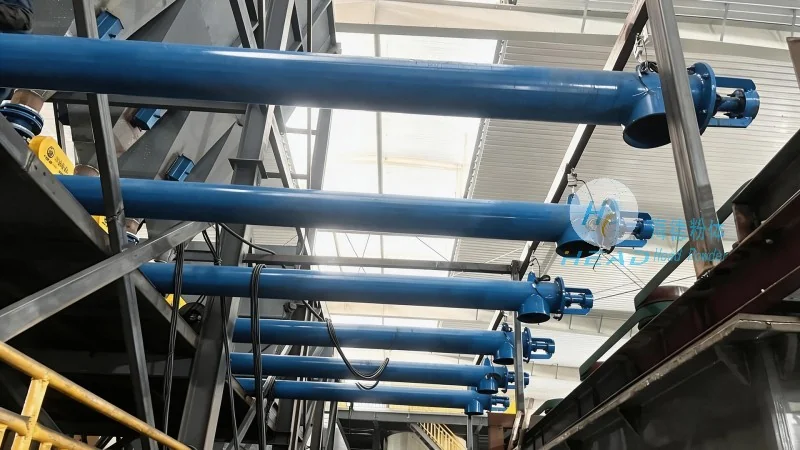
A typical biological enzyme pneumatic conveying system consists of several key components that work in concert to achieve efficient material transport. The primary components include a hopper or feeder for storing the material, a conveying line (usually made of stainless steel or other corrosion-resistant materials to prevent contamination), an air compressor or blower to generate the conveying air, and a control system for regulating the air flow and pressure. The hopper is designed with a smooth interior surface and a discharge valve that can be precisely controlled to regulate the material feed rate. The conveying line is often equipped with bends and elbows that are designed to minimize turbulence and maintain a consistent flow. The air compressor provides the necessary pressure to move the material through the line, and the control system ensures that the air pressure and flow rate are optimized for the specific material being transported. Additionally, the system may include filters and moisture control devices to maintain the quality of the conveying air and prevent moisture from affecting the enzymes.
Applications and Benefits in Industrial Settings
The biological enzyme pneumatic conveying system offers several advantages over traditional conveying methods, making it ideal for industries that handle sensitive materials. One of the main benefits is the ability to maintain product integrity and prevent contamination, which is crucial in pharmaceutical and food industries where product quality and safety are non-negotiable. The system’s gentle handling reduces the risk of enzyme denaturation or degradation, ensuring that the material remains active and effective. Another benefit is the high degree of control over the conveying process, which allows for precise regulation of material flow rates and pressure, leading to improved process efficiency and reduced downtime. The system also offers flexibility in terms of material handling, as it can transport a wide range of materials, from powders to granules, with minimal modification. Furthermore, the system’s compact design and easy integration with existing production lines make it a cost-effective solution for many industrial applications.
About Shandong HeadPowder Engineering Co., Ltd.
Shandong HeadPowder Engineering Co., Ltd., commonly known as HeadPowder, is a leading manufacturer and supplier of industrial conveying systems, including biological enzyme pneumatic conveying systems. The company is headquartered in Shandong, China, and has a strong reputation for providing high-quality, reliable, and innovative solutions for material handling needs. HeadPowder’s team of engineers and technicians has extensive experience in designing and manufacturing conveying systems tailored to the specific requirements of various industries. The company’s products are known for their durability, efficiency, and adherence to industry standards, making them a trusted choice for many clients worldwide. HeadPowder is committed to continuous improvement and innovation, investing in research and development to stay at the forefront of the industry and provide cutting-edge solutions to its customers.