

What is a Caustic Soda Pneumatic Conveyor? And What Are Its Design Principles?
Caustic soda, also known as sodium hydroxide, is a highly caustic and corrosive chemical widely used in various industrial processes. The safe and efficient handling of caustic soda is crucial for industrial operations, and pneumatic conveyors have emerged as a preferred solution for transporting this hazardous material. This article explores the concept of a caustic soda pneumatic conveyor, detailing its design principles and operational advantages.
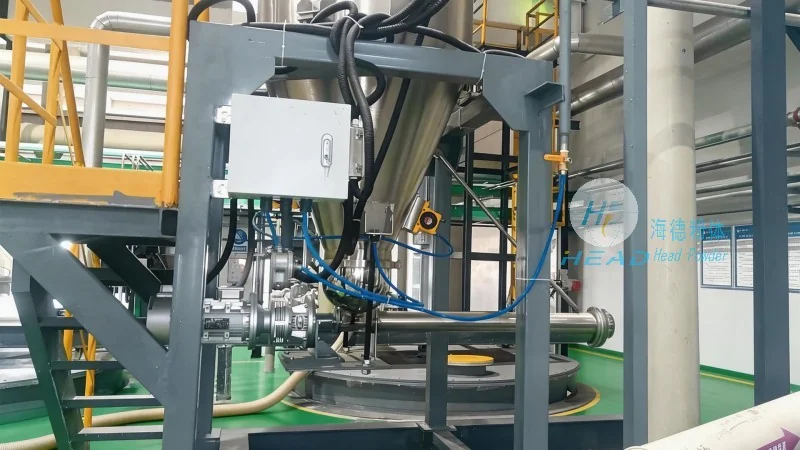
Understanding Caustic Soda Pneumatic Conveyors
A caustic soda pneumatic conveyor is a system designed to transport caustic soda in a dry, solid form through a pipeline using air or other gas as the conveying medium. Unlike traditional mechanical conveyors, which may pose risks due to direct contact with the material, pneumatic conveyors offer a closed-loop system that minimizes exposure and contamination. This makes them ideal for handling caustic soda, which can cause severe burns and environmental damage if mishandled.
Key Components of a Caustic Soda Pneumatic Conveyor System
The design of a caustic soda pneumatic conveyor system involves several critical components that work in tandem to ensure safe and efficient operation. These components include:
1. Feeder: The feeder is responsible for feeding the caustic soda into the conveying system. It must be designed to handle the material's properties, such as its density and flow characteristics, to ensure consistent and controlled feeding.
2. Conveying Pipe: The pipeline is the main channel through which the caustic soda is transported. It is typically made of corrosion-resistant materials like stainless steel or special alloys to withstand the chemical's aggressive nature.
3. Air or Gas Supply: The conveying medium, usually air or a mixture of air and inert gas, is supplied under pressure to move the material through the pipe. The pressure and flow rate are carefully controlled to maintain the desired conveying velocity.
4. Receiver: The receiver is the final destination where the caustic soda is deposited. It is designed to handle the material's discharge and prevent any spillage or leakage.

Design Principles for Safe and Efficient Operation
The design of a caustic soda pneumatic conveyor is guided by several key principles to ensure safety, efficiency, and durability. These principles include:
1. Corrosion Resistance: Given the caustic nature of the material, all components of the conveyor system must be made from materials that can resist corrosion. Stainless steel, Hastelloy, or other specialized alloys are commonly used for this purpose.
2. Seal Integrity: The system must maintain airtight seals to prevent the escape of caustic soda or air, which could lead to environmental contamination or safety hazards.
3. Material Handling: The design must account for the material's flow characteristics, such as its bulk density and angle of repose, to ensure smooth and continuous conveying without blockages or segregation.
4. Control Systems: Advanced control systems are integrated into the conveyor to monitor and regulate parameters like pressure, flow rate, and temperature, ensuring optimal performance and preventing operational issues.
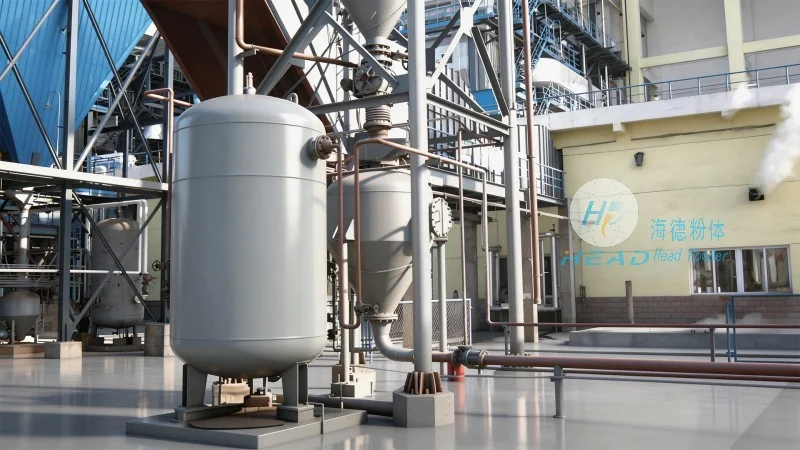
Advantages of Using a Caustic Soda Pneumatic Conveyor
Implementing a caustic soda pneumatic conveyor offers several advantages over traditional handling methods. These benefits include:
1. Enhanced Safety: The closed-loop system minimizes the risk of exposure to caustic soda, reducing the likelihood of accidents and injuries.
2. Improved Efficiency: Pneumatic conveyors can transport caustic soda over long distances with minimal energy consumption and without the need for frequent maintenance.
3. Reduced Downtime: The system's design reduces the risk of blockages and material buildup, leading to lower downtime and higher productivity.
4. Environmental Protection: By containing the material within the system, the risk of environmental contamination is significantly reduced.

Applications and Industries
Caustic soda pneumatic conveyors are widely used in various industries where caustic soda is a key component. These industries include:
1. Chemical Manufacturing: Used in the production of soaps, detergents, and other chemical products.
2. Paper and Pulp: Employed in the processing of paper and the treatment of wastewater.
3. Pharmaceuticals: Utilized in the manufacturing of pharmaceuticals and other healthcare products.
4. Food Processing: Used in the production of food additives and other food-related products.
Conclusion
A caustic soda pneumatic conveyor is a sophisticated system designed to handle caustic soda safely and efficiently. Its design principles, which prioritize corrosion resistance, seal integrity, and material handling, ensure that the material is transported without risk to personnel or the environment. The advantages of using such a system, including enhanced safety, improved efficiency, and reduced downtime, make it a valuable asset for industries relying on caustic soda. As a leading provider in this field, Shandong HeadPowder Engineering Co., Ltd. specializes in designing and manufacturing high-quality caustic soda pneumatic conveyor systems tailored to meet the specific needs of various industrial applications.