

What is a Multi-functional Pneumatic Conveying System Equipment? What are its Design Principles?
Multi-functional pneumatic conveying systems are advanced industrial equipment designed to transport bulk materials through a pressurized or vacuum environment. These systems are widely used in various industries, including food processing, pharmaceuticals, chemicals, and mining, due to their efficiency, flexibility, and ability to handle a wide range of materials. Understanding the components and design principles of such systems is crucial for optimizing material handling processes and ensuring operational reliability.
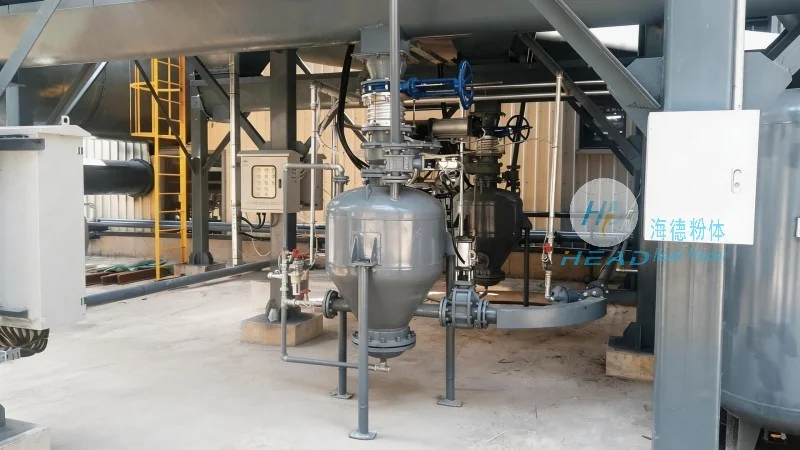
Components of a Multi-functional Pneumatic Conveying System
A typical multi-functional pneumatic conveying system consists of several key components that work in concert to achieve efficient material transport. The primary components include a material feed hopper, a conveyor line (either horizontal or vertical), a separation unit, and a control system. The feed hopper is responsible for storing and feeding the bulk material into the system. The conveyor line, which may be made of metal or flexible tubing, transports the material through the system under pressure or vacuum. The separation unit, such as a cyclone or filter, separates the conveyed material from the air or gas used for transport. The control system manages the pressure, flow rate, and other operational parameters to ensure smooth and safe operation.

Design Principles of Multi-functional Pneumatic Conveying Systems
The design of a multi-functional pneumatic conveying system is based on fundamental principles of fluid dynamics and material science. Engineers must consider several factors to ensure the system operates effectively and efficiently. One of the core design principles is the selection of the appropriate conveying method, which can be either positive pressure, negative pressure, or a combination of both. Positive pressure systems use a blower or compressor to push air through the system, while negative pressure systems use a vacuum to draw material into the system. The choice of method depends on the material characteristics, such as particle size, density, and moisture content, as well as the distance and elevation changes required for transport.

Another critical design principle is the calculation of the air velocity and pressure required for material transport. The air velocity must be sufficient to lift and move the material particles through the conveyor line without causing excessive wear or degradation of the material. Engineers use empirical formulas and computational fluid dynamics (CFD) simulations to determine the optimal air velocity and pressure for a given material. Additionally, the system design must account for the effects of particle size distribution, as larger particles may require higher air velocities to be conveyed effectively. The separation unit is also carefully designed to ensure that the material is efficiently separated from the air stream, minimizing material loss and maintaining product quality.
Applications and Advantages of Multi-functional Pneumatic Conveying Systems
Multi-functional pneumatic conveying systems are versatile and can be adapted to a wide range of applications. They are particularly suitable for transporting materials that are difficult to handle with traditional methods, such as powders, granules, and fine particles. The systems offer several advantages over other material handling methods, including reduced labor costs, improved safety (as there are no moving parts in contact with the material), and the ability to transport materials over long distances or through complex layouts. Additionally, these systems can be integrated with other processing equipment, such as mixers, dryers, and packaging machines, to create a fully automated material handling line.

About Shandong HeadPowder Engineering Co., Ltd.
Shandong HeadPowder Engineering Co., Ltd., commonly known as HeadPowder, is a leading manufacturer of industrial conveying systems based in Shandong, China. The company specializes in the design, manufacturing, and installation of multi-functional pneumatic conveying systems tailored to the specific needs of various industries. HeadPowder's team of experienced engineers and technicians utilizes advanced technology and rigorous quality control processes to ensure that each system meets the highest standards of performance and reliability. The company's commitment to innovation and customer satisfaction has made it a trusted partner for businesses seeking efficient and effective material handling solutions.