

What is a PTFE Pneumatic Conveying System? And What Are Its Design Principles?
PTFE (Polytetrafluoroethylene) pneumatic conveying systems are advanced industrial equipment designed to transport bulk materials through a pipeline using air or other gases as the conveying medium. These systems are widely used in various industries, including chemical, food processing, pharmaceuticals, and manufacturing, due to their efficiency, flexibility, and ability to handle a wide range of materials. Understanding the components and design principles of such systems is crucial for optimizing material handling processes and ensuring operational efficiency.

Introduction to PTFE Pneumatic Conveying Systems
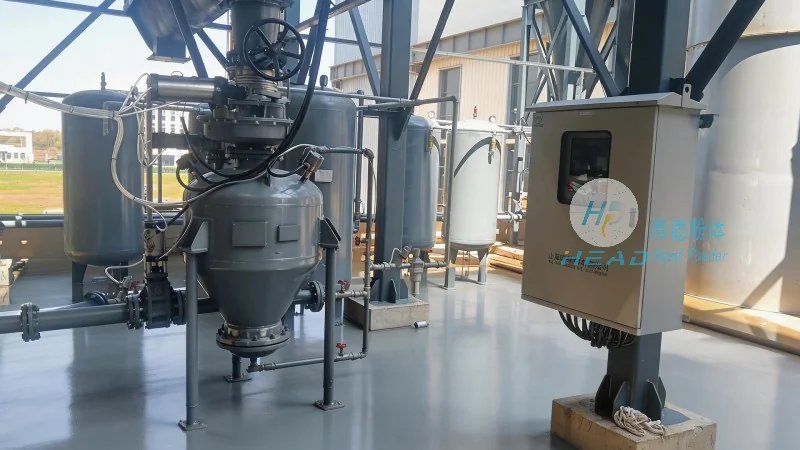
PTFE pneumatic conveying systems utilize the principle of pneumatic transport, where materials are suspended and propelled through a pipeline by the force of moving air or gas. The system typically consists of a hopper, a feeder, a conveying line, and a receiver. The PTFE material, known for its exceptional chemical resistance, low friction, and thermal stability, is used in key components like hoses, pipes, and valves to ensure durability and prevent material degradation or contamination. This makes PTFE an ideal choice for handling sensitive or corrosive materials.
Key Components of a PTFE Pneumatic Conveying System
The core components of a PTFE pneumatic conveying system include the material hopper, which stores the bulk material; a feeder, which controls the flow rate of the material into the conveying line; the PTFE pipeline, which transports the material; and a receiver, which collects the material at the destination. The system may also include a blower or compressor to generate the air pressure needed for conveying. Each component is designed to work in harmony to ensure smooth and efficient material transport. The PTFE material used in these components offers superior resistance to chemicals, high temperatures, and abrasion, making the system suitable for a variety of challenging applications.
Design Principles and Operational Mechanisms
The design of a PTFE pneumatic conveying system is based on several key principles to ensure optimal performance. The first principle is the selection of the appropriate conveying velocity, which determines the pressure drop and energy consumption. The system is designed to operate at a velocity that keeps the material suspended in the air stream without causing excessive wear on the PTFE components. The second principle is the consideration of the material's properties, such as particle size, density, and moisture content, as these factors affect the conveying efficiency and system design. The third principle is the use of PTFE materials for the conveying line and components, which provides excellent chemical resistance and reduces friction, thereby minimizing energy loss and extending the system's lifespan.
Advantages of PTFE Pneumatic Conveying Systems
PTFE pneumatic conveying systems offer several advantages over traditional mechanical conveying methods. These include the ability to handle a wide range of materials, from fine powders to bulk solids, without the need for mechanical parts that can wear out or cause contamination. The system is also flexible, as it can be easily reconfigured to accommodate changes in material flow or process requirements. Additionally, PTFE materials are non-stick, which prevents material buildup and reduces the risk of clogging. The systems are also energy-efficient, as they use less power compared to mechanical conveyors, and they can be integrated with other process equipment for a seamless operation.

Applications and Industries
PTFE pneumatic conveying systems are used in various industries where material handling is critical. In the chemical industry, they are used to transport corrosive or reactive materials. In the food and pharmaceutical industries, they are used to handle sensitive materials that require a clean and hygienic environment. In manufacturing, they are used to transport raw materials to production lines. The systems are also used in the mining and construction industries to transport bulk materials like sand, gravel, and cement. The versatility of PTFE materials makes these systems suitable for a wide range of applications.
Conclusion
PTFE pneumatic conveying systems are an essential part of modern industrial material handling. Their design, based on efficient pneumatic transport principles and the use of durable PTFE materials, ensures high performance and reliability. As industries continue to demand more efficient and flexible material handling solutions, PTFE pneumatic conveying systems remain a popular choice due to their ability to handle a wide range of materials and their low maintenance requirements. The systems are designed and manufactured by companies like Shandong HeadPowder Engineering Co., Ltd., a leading provider of industrial conveying solutions based in China, which specializes in creating customized systems to meet the specific needs of their clients.