

What is a Sodium Nitrate Powder Handling System? What Are Its Design Principles?
Understanding the design and functionality of sodium nitrate powder handling systems is crucial for industries that rely on efficient and safe material transport. This article provides an overview of such systems, focusing on their core components, operational principles, and the engineering considerations that ensure optimal performance. The systems are engineered by Shandong HeadPowder Engineering Co., Ltd., a leading provider of specialized powder handling solutions, with a focus on meeting the unique needs of clients in various industries.
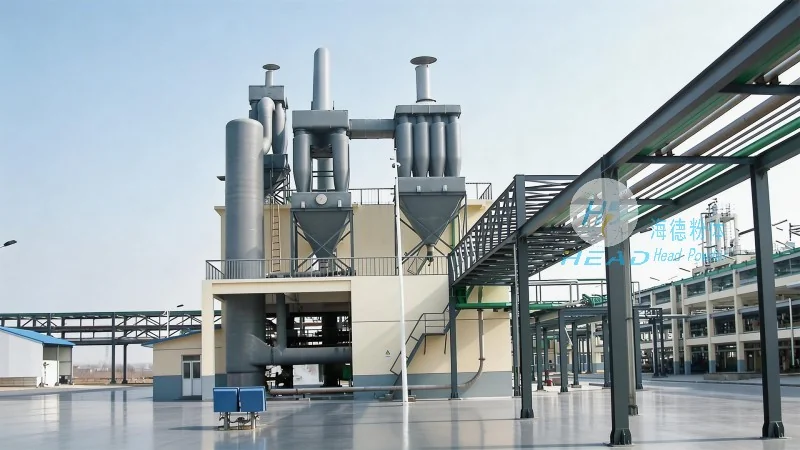
Key Components of a Sodium Nitrate Powder Handling System
A typical sodium nitrate powder handling system comprises several essential components that work in tandem to facilitate the movement and storage of the material. The primary elements include a hopper or silo for bulk storage, a feeder or metering device to control the flow rate, a conveyor system (such as a screw conveyor, pneumatic conveyor, or belt conveyor) to transport the powder, and a control panel to regulate the entire process. Each component plays a vital role in maintaining the system's efficiency and safety. The design of these components is tailored to the specific properties of sodium nitrate, including its flowability, bulk density, and potential for dust generation.
Design Principles for Efficient Powder Transport
The design of a sodium nitrate powder handling system is guided by several key principles aimed at maximizing throughput, minimizing material degradation, and ensuring operator safety. One of the fundamental principles is the prevention of material bridging or caking in the storage hopper, which can impede flow. This is achieved through the use of hopper liners, agitators, or vibrators that keep the material in a fluidized state. Additionally, the system must be designed to handle the specific properties of sodium nitrate, including its flowability, moisture content, and potential for dust generation. Proper sealing and dust control measures are critical to prevent environmental contamination and protect personnel from exposure to fine particles. The engineering team at Shandong HeadPowder Engineering Co., Ltd. specializes in optimizing these design aspects to ensure reliable operation.

Feeding and Metering Mechanisms
The feeder or metering device is a critical component that determines the accuracy and consistency of the powder flow. For sodium nitrate, which is often used in precise applications such as fertilizer production or chemical processing, a controlled feeding system is essential. Common feeding mechanisms include rotary valves, vibratory feeders, and screw feeders. These devices are designed to provide a uniform flow rate, which is crucial for maintaining process stability and product quality. The selection of the appropriate feeder depends on factors such as the material's bulk density, flow characteristics, and the required flow rate for the application. The company's expertise in material handling ensures that the chosen feeder maximizes efficiency while minimizing wear and tear.
Conveying Systems for Sodium Nitrate
Conveying systems are responsible for transporting the sodium nitrate from the storage hopper to the processing equipment or discharge point. The choice of conveyor type depends on the system's capacity, the distance to be covered, and the material's properties. Screw conveyors are widely used for horizontal or slight incline transport due to their simplicity and ability to handle a wide range of materials. Pneumatic conveyors, on the other hand, are suitable for long-distance or vertical transport, as they use air pressure to move the powder through a pipeline. Belt conveyors are another option, particularly for applications requiring high throughput and the ability to handle larger particles. Each conveying method has its advantages and limitations, and the selection is based on the specific requirements of the operation. Shandong HeadPowder Engineering Co., Ltd. offers customized conveying solutions to meet diverse client needs.
Control and Automation in Powder Handling Systems
Modern sodium nitrate powder handling systems often incorporate advanced control and automation features to enhance operational efficiency and safety. These systems typically include sensors to monitor parameters such as flow rate, pressure, and temperature, as well as a programmable logic controller (PLC) to regulate the feeder and conveyor speeds. The control panel allows operators to adjust settings in real-time, ensuring that the system operates within optimal parameters. Automation also helps in reducing human error, improving process consistency, and minimizing downtime. Additionally, safety features such as emergency stop buttons, dust extraction systems, and interlocks are integrated into the design to protect both the equipment and personnel. The company's commitment to technological advancement ensures that their systems are equipped with the latest control technologies.

Safety Considerations for Sodium Nitrate Handling
Handling sodium nitrate requires strict adherence to safety protocols due to its properties as a chemical and potential fire hazard. The system must be designed to prevent dust accumulation, which can lead to explosive conditions. Proper ventilation, dust collection systems, and grounding of equipment are essential to mitigate these risks. Additionally, the system should include safety interlocks to prevent operation if a component is malfunctioning or if safety parameters are exceeded. Regular maintenance and inspection of the system are also critical to ensure that all safety features are functioning correctly. By implementing these safety measures, operators can minimize the risk of accidents and ensure a safe working environment. Shandong HeadPowder Engineering Co., Ltd. prioritizes safety in all their designs, adhering to industry standards and best practices.
Applications of Sodium Nitrate Powder Handling Systems
Sodium nitrate powder handling systems are widely used in various industries, including agriculture, chemical manufacturing, and food processing. In agriculture, sodium nitrate is used as a fertilizer, and the handling system ensures that it is transported efficiently from storage to application sites. In chemical manufacturing, it is used as an oxidizer in the production of explosives and other chemicals, requiring precise control of the powder flow to maintain process safety. The food industry may also use sodium nitrate as a preservative, and the handling system must comply with food safety regulations. Regardless of the application, the design of the handling system must be tailored to meet the specific requirements of the industry, ensuring that the material is handled safely and efficiently. The company's experience in diverse applications allows them to provide tailored solutions that enhance operational performance.