

What is a Titanium Dioxide Powder Handling System? What are its Design Principles?
Titanium dioxide (TiO₂) is a widely used white pigment and photocatalyst in various industries, including coatings, plastics, and cosmetics. The efficient and safe handling of TiO₂ powder is crucial for maintaining product quality and ensuring operational safety. A specialized powder handling system is essential to manage the material's properties, such as its fine particle size and potential for dust generation. This article explores the concept of a titanium dioxide powder handling system and delves into its fundamental design principles, highlighting the key components and considerations for effective operation.

Understanding the Titanium Dioxide Powder Handling System
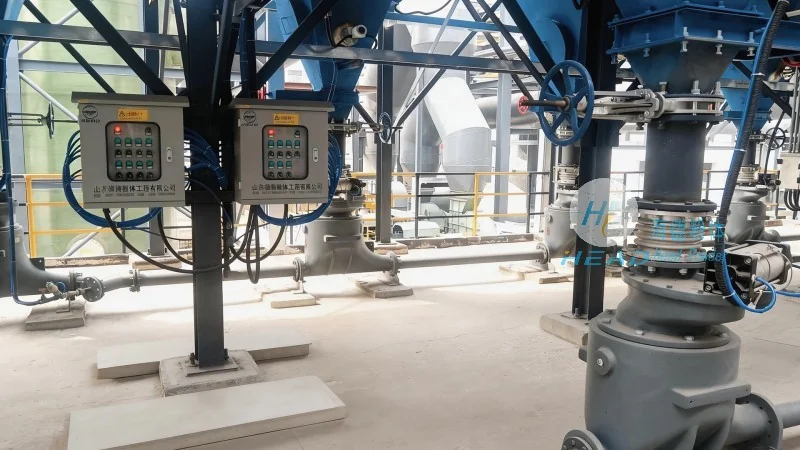
Titanium dioxide powder handling systems are engineered to transport, store, and process TiO₂ powder in industrial settings. These systems are designed to address the unique challenges posed by TiO₂, including its high bulk density, fine particle size, and tendency to create dust. The primary goal is to ensure a continuous, controlled flow of the powder while minimizing contamination, dust exposure, and material loss. The system typically integrates several components, including feeders, conveyors, storage silos, and control units, all working in harmony to achieve optimal performance.
Key Design Principles for Titanium Dioxide Powder Handling
The design of a titanium dioxide powder handling system is guided by several critical principles to ensure reliability, efficiency, and safety. These principles include material compatibility, dust control, and process integration. Material compatibility is paramount, as the system components must be resistant to the chemical and physical properties of TiO₂, such as its abrasive nature and potential reactivity with certain materials. Common materials used for construction include stainless steel, polyethylene, and specialized coatings to prevent corrosion and wear. Dust control is another critical aspect, as TiO₂ powder can generate significant airborne dust, which poses health risks and can affect product quality. The system incorporates features like sealed hoppers, dust collection systems, and enclosed conveyors to minimize dust emissions and maintain a clean environment. Process integration is also essential, as the system must align with the overall production workflow, ensuring seamless transfer of the powder from storage to processing equipment without interruptions or bottlenecks.

Components of a Typical Titanium Dioxide Powder Handling System
A standard titanium dioxide powder handling system consists of several interconnected components, each playing a vital role in the overall operation. The primary components include: (1) Storage Silos: These are large, sealed containers designed to store bulk quantities of TiO₂ powder. They are typically made of stainless steel or other corrosion-resistant materials and equipped with level indicators to monitor the powder volume. (2) Feeders: Feeders are used to control the flow rate of the powder from the storage silo to the conveyor system. Common types include rotary valves, screw feeders, and vibratory feeders, which can be adjusted to maintain a consistent feed rate. (3) Conveyors: Conveyors transport the TiO₂ powder from the feeder to the processing equipment. Options include pneumatic conveyors (air-assisted) and mechanical conveyors (belt or chain). Pneumatic conveyors are often preferred for fine powders due to their ability to handle dust and maintain a clean environment. (4) Control Units: The control unit manages the entire system, monitoring parameters such as flow rate, pressure, and temperature. It ensures that the system operates within safe and efficient parameters, and can alert operators to any deviations or issues. (5) Dust Collection Systems: These systems capture and filter any airborne dust generated during the handling process, preventing contamination and ensuring compliance with environmental regulations. The dust is typically collected in a hopper or baghouse and can be returned to the process or disposed of as waste.

The Role of HeadPowder in Titanium Dioxide Powder Handling Solutions
Shandong HeadPowder Engineering Co., Ltd. is a leading provider of specialized powder handling systems tailored to the needs of the titanium dioxide industry. With a focus on innovation and customer satisfaction, HeadPowder designs and manufactures systems that meet the highest standards of performance and safety. The company's expertise lies in understanding the unique challenges of handling TiO₂ powder and developing solutions that address these challenges effectively. HeadPowder's systems are engineered to ensure efficient and reliable operation, minimizing downtime and maximizing productivity. The company's commitment to quality and customer support ensures that clients receive not only a well-designed system but also comprehensive after-sales service and technical support. Based in Shandong, China, HeadPowder leverages its local presence to provide timely and effective solutions to clients across the region and beyond.