

What is a Cotton Powder Conveying Line? And What Are Its Design Principles?
For industries dealing with cotton powders, the efficient and reliable transportation of this material is crucial. A cotton powder conveying line is a specialized system designed to handle the movement of cotton powders from one location to another within a processing facility. This article will explore the concept of a cotton powder conveying line and delve into its fundamental design principles, highlighting the key components and operational aspects that ensure optimal performance. The system is engineered by companies such as Shandong HeadPowder Engineering Co., Ltd., which specializes in the design and implementation of such material handling solutions.

Understanding the Role of a Cotton Powder Conveying Line
In cotton processing and related industries, raw cotton or processed cotton powders often need to be transported between different stages of production, such as from storage silos to processing machines, or from one processing unit to another. A cotton powder conveying line addresses this need by providing a continuous and controlled method of material handling. These systems are engineered to handle the unique properties of cotton powders, including their fine particle size, potential for static electricity, and varying moisture content, ensuring that the material is transported without degradation or loss.
Key Components of a Cotton Powder Conveying Line
The design of a cotton powder conveying line typically involves several critical components that work in tandem to achieve efficient material transport. These components include:
1. Feeding Hoppers: These are used to store and feed the cotton powder into the conveying system. The hopper design is crucial as it must accommodate the bulk density and flow characteristics of the cotton powder, ensuring consistent feeding without blockages.
2. Pneumatic Conveyors: Often, cotton powder conveying lines utilize pneumatic systems, which use air pressure to move the material through a pipeline. This method is particularly effective for fine powders and can handle long distances with minimal maintenance.
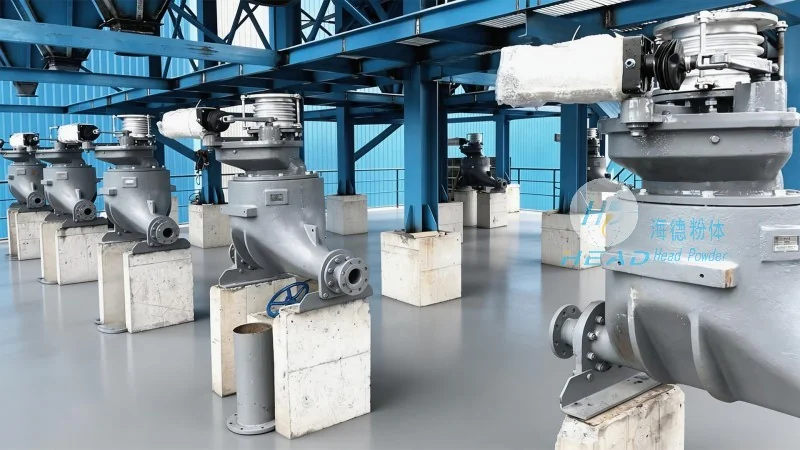
3. Rotary Valves and Check Valves: These components control the flow of cotton powder from the hopper into the conveyor and prevent backflow, ensuring a smooth and unidirectional movement of the material.
4. Filtering and Dust Control Systems: Given the fine nature of cotton powders, dust control is essential. These systems include filters and dust collectors to prevent airborne particles from escaping and to maintain a clean working environment.
5. Control Panels and Sensors: Modern cotton powder conveying lines are equipped with advanced control systems that monitor the flow rate, pressure, and other parameters. Sensors help detect blockages or changes in material properties, allowing for immediate adjustments to maintain optimal operation.
Design Principles for Optimal Performance
The design principles of a cotton powder conveying line are centered on ensuring efficiency, reliability, and safety. Key design considerations include:
1. Material Compatibility: The components of the conveying line must be compatible with cotton powders, which may be abrasive or have specific chemical properties. Materials such as stainless steel or specialized coatings are often used to prevent corrosion and material buildup.

2. Flow Control and Uniformity: Maintaining a consistent flow rate is critical to prevent overloading or underloading of the system. This is achieved through proper hopper design, adjustable valves, and real-time monitoring.
3. Prevention of Static Electricity: Cotton powders are prone to generating static electricity, which can lead to sparks and fire hazards. Design principles include grounding systems and anti-static materials to mitigate these risks.
4. Energy Efficiency: Efficient design aims to minimize energy consumption while maximizing material throughput. This involves optimizing air pressure, reducing friction in pipelines, and using energy-efficient motors.
5. Scalability and Flexibility: The conveying line should be designed to accommodate changes in production volume or material types. Modular components allow for easy adjustments and expansions as the business grows.
Applications and Benefits of Cotton Powder Conveying Lines
Cotton powder conveying lines are widely used in various applications within the textile and agricultural industries. They are essential in:
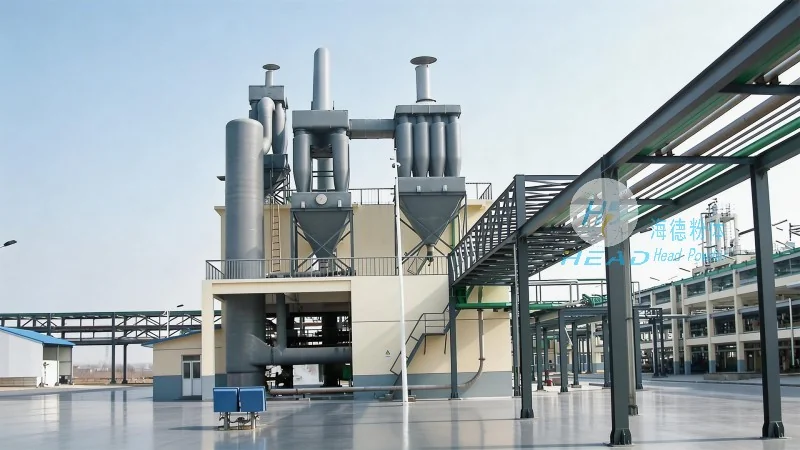
1. Cotton Processing Plants: From raw cotton bales to processed cotton powders, conveying lines ensure the smooth transition of material through different processing stages, such as cleaning, carding, and spinning.
2. Food and Feed Industries: In some applications, cotton powders may be used as ingredients in food or animal feed products. Conveying lines help maintain the quality and purity of these materials during transport.
3. Industrial Manufacturing: Beyond textiles, cotton powders are used in various industrial applications, and conveying lines ensure their reliable transport to production lines.
The benefits of using a well-designed cotton powder conveying line include improved productivity, reduced labor costs, enhanced safety, and better material quality control. By minimizing material loss and ensuring consistent flow, these systems contribute significantly to the overall efficiency of cotton processing operations.