

What is Automatic Feeding Material Handling? What Are Its Design Principles?
Automatic feeding material handling systems are integral to modern industrial operations, enabling efficient and reliable transfer of bulk materials from one process stage to another. These systems are designed to automate the feeding process, reducing manual labor, minimizing human error, and enhancing overall production throughput. For industries dealing with powders, granules, or other bulk materials, such as pharmaceuticals, food processing, and chemical manufacturing, the implementation of automatic feeding solutions is crucial for maintaining product quality and operational consistency.
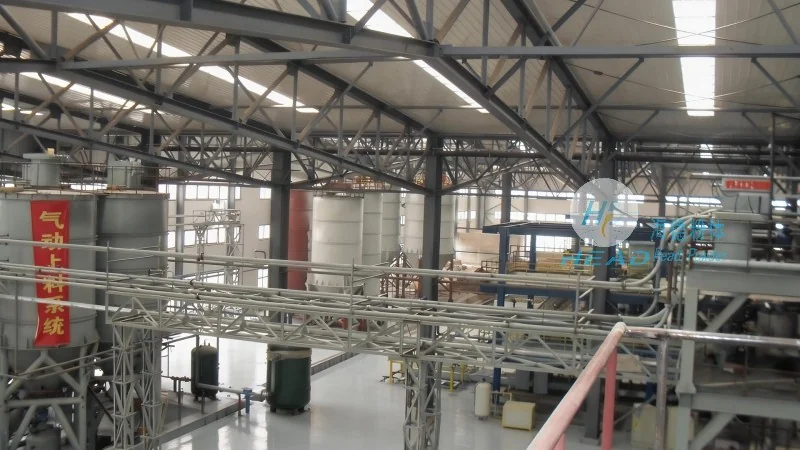
At the core of these systems lies the design principle of precision and control. The design process begins with a thorough analysis of the material characteristics—such as particle size, flowability, and moisture content—and the specific requirements of the downstream processing equipment. Engineers at Shandong HeadPowder Engineering Co., Ltd. leverage advanced engineering methodologies to develop customized solutions that address these unique challenges. For instance, the selection of feeding mechanisms, such as screw feeders, vibratory feeders, or rotary valves, is based on the material's physical properties and the desired feeding rate. This ensures that the material is conveyed smoothly without degradation or segregation.
A key component in the design of automatic feeding systems is the control system. Modern systems often integrate sensors and feedback mechanisms to monitor the material level, flow rate, and pressure, allowing for real-time adjustments. This closed-loop control not only improves the accuracy of material delivery but also enhances safety by preventing overfilling or underfeeding. The control system may include programmable logic controllers (PLCs) or more advanced systems like distributed control systems (DCS), which provide flexibility and scalability for different production scenarios. Shandong HeadPowder Engineering Co., Ltd. specializes in integrating these control technologies with the feeding hardware, ensuring seamless operation and minimal downtime.

Another critical aspect of the design is the material handling infrastructure. The system must be constructed to withstand the mechanical stresses of continuous operation and the potential corrosive or abrasive effects of the materials being handled. Materials such as stainless steel, aluminum, or specialized alloys are commonly used for the construction of hoppers, chutes, and feeding mechanisms. The design also considers factors like space constraints and environmental conditions, ensuring that the system fits within the existing facility layout and operates efficiently in various climates. By focusing on durability and adaptability, the design maximizes the lifespan of the equipment and reduces maintenance costs over time.

Furthermore, the integration of safety features is a fundamental principle in the design of automatic feeding systems. Regulations and industry standards mandate the inclusion of safety interlocks, emergency stop buttons, and protective enclosures to prevent accidents and ensure compliance. The design process involves thorough risk assessments to identify potential hazards, such as material spillage, mechanical failures, or electrical malfunctions, and implement appropriate mitigation measures. Shandong HeadPowder Engineering Co., Ltd. adheres to international safety standards, such as ISO 12100 and OSHA guidelines, to ensure that their systems are not only efficient but also safe for operators and the environment.

When evaluating an automatic feeding material handling system, several factors must be considered to ensure optimal performance. The first is the material's flow properties, as materials with poor flowability may require specialized feeding equipment like vibratory feeders or air slides to prevent bridging or rat-holing. The second is the required feeding rate, which determines the size and capacity of the feeder. For high-volume applications, larger screw feeders or multiple feeding units may be necessary to meet production demands. The third is the system's integration with existing equipment, as seamless connectivity is essential for maintaining a smooth production line. Shandong HeadPowder Engineering Co., Ltd. offers comprehensive consultation services to help clients assess these factors and select the most suitable solution for their specific needs.
In conclusion, automatic feeding material handling systems are sophisticated solutions that combine engineering precision with operational efficiency. The design principles, including material analysis, control system integration, infrastructure durability, and safety considerations, are critical to the success of these systems. By leveraging advanced technologies and adhering to industry best practices, companies like Shandong HeadPowder Engineering Co., Ltd. provide tailored solutions that enhance productivity, reduce costs, and improve product quality. For industries relying on bulk material handling, investing in a well-designed automatic feeding system is a strategic decision that can yield long-term benefits and competitive advantages.