

What is Desulfurization and Dust Removal Ash Material Handling? What Are the Design Principles?
Desulfurization and dust removal ash material handling is a critical process in industrial facilities that utilize flue gas treatment systems to manage byproducts from coal combustion. This process involves the efficient transportation of ash and sludge generated during the desulfurization and dust removal stages of power generation or industrial heating. Understanding the mechanisms and design principles behind such systems is essential for optimizing operational efficiency, ensuring environmental compliance, and maintaining the longevity of equipment.
Introduction to Desulfurization and Dust Removal Ash Material Handling
Desulfurization and dust removal processes are integral to modern industrial operations, particularly in power plants and manufacturing facilities that rely on fossil fuels. These systems are designed to reduce sulfur dioxide (SO₂) and particulate matter emissions from flue gases, thereby minimizing environmental impact. The byproducts of these processes—such as calcium sulfite/sulfate sludge and fly ash—must be handled and transported safely and effectively to storage or disposal sites. This section explores the key aspects of ash material handling, including the challenges associated with handling these materials and the fundamental design principles that guide system development.

Key Components of Desulfurization and Dust Removal Ash Handling Systems
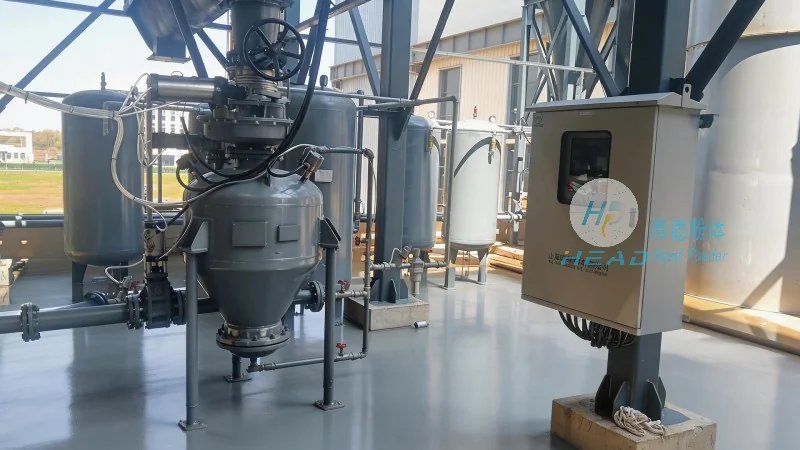
The design of an ash material handling system typically involves several interconnected components, each serving a specific function in the overall process. These components include ash collection equipment, conveyor systems, storage silos, and transfer mechanisms. The choice of equipment depends on the characteristics of the ash (e.g., moisture content, particle size, and corrosiveness) and the scale of the operation. For example, wet desulfurization systems produce a slurry that requires different handling strategies compared to dry desulfurization systems, which generate dry fly ash.

Design Principles for Efficient Material Handling
Efficient desulfurization and dust removal ash handling relies on several core design principles aimed at maximizing reliability, minimizing downtime, and ensuring compliance with environmental regulations. One key principle is the selection of appropriate equipment for the specific ash characteristics. For instance, high-moisture sludges may require screw conveyors or slurry pumps, while dry ash can be handled using belt conveyors or pneumatic systems. Another critical principle is the integration of the ash handling system with the overall flue gas treatment process to ensure seamless operation. This includes considerations such as the flow rate of ash, the distance it needs to be transported, and the need for temperature control to prevent material degradation or equipment damage.
Material Handling Challenges and Solutions
Handling desulfurization and dust removal ash presents unique challenges due to the materials' physical and chemical properties. For example, the high moisture content of wet sludges can lead to clogging in conveyor systems, while the corrosive nature of some ash components may require specialized materials for equipment construction. To address these challenges, engineers employ various solutions, such as using wear-resistant materials for conveyor belts and liners, implementing regular maintenance schedules, and utilizing automated control systems to monitor and adjust the handling process in real time. Additionally, the design of storage silos must account for the potential for ash to settle or compact, which can affect discharge rates and system performance.

Role of HeadPowder Engineering in Ash Handling System Design
Shandong HeadPowder Engineering Co., Ltd., a leading provider of engineering solutions for industrial material handling, specializes in designing and implementing ash handling systems tailored to the specific needs of clients. With a focus on innovation and adherence to industry standards, HeadPowder Engineering ensures that its systems are optimized for efficiency, reliability, and environmental compliance. The company's expertise includes the selection of appropriate equipment, the integration of control systems, and the provision of maintenance services to support long-term operation. By leveraging advanced design principles and practical experience, HeadPowder Engineering helps clients achieve effective management of desulfurization and dust removal ash, reducing operational costs and minimizing environmental impact.