

What Are Organic Salt Material Handling Equipment? And What Are Their Design Principles?
Organic salt material handling equipment plays a crucial role in various industrial processes, particularly in the chemical and food industries where the efficient transport of these materials is essential for maintaining production efficiency and product quality. Understanding the design principles behind such equipment is vital for optimizing operations and ensuring safe handling of organic salts. This article delves into the key aspects of organic salt material handling equipment, exploring their design considerations and functional applications.
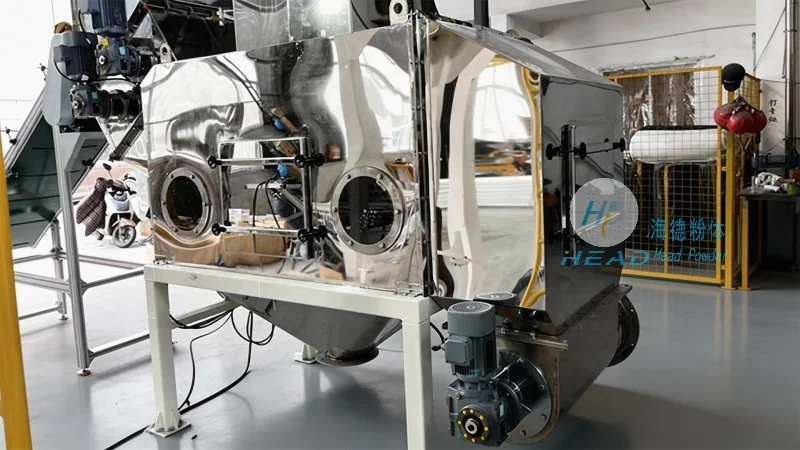
Understanding Organic Salt Material Handling Equipment
Organic salt material handling equipment refers to machinery and systems designed to transport, store, and process organic salts, which are compounds derived from organic compounds and salts. These materials are commonly used in pharmaceuticals, food additives, and chemical manufacturing. The equipment must be capable of handling these materials without degradation, ensuring that their chemical properties remain intact throughout the handling process. The design of such equipment must consider factors like material compatibility, temperature control, and dust prevention, as organic salts can be hygroscopic or reactive under certain conditions.
Key Design Principles for Efficient Transport
The design of organic salt material handling equipment is guided by several fundamental principles aimed at ensuring efficiency, safety, and durability. One of the primary principles is the use of materials that are chemically inert and resistant to corrosion, as organic salts can be aggressive to certain metals and plastics. For instance, stainless steel or specialized polymers are often used for components that come into direct contact with the material. Another critical principle is the implementation of airtight and sealed systems to prevent contamination and moisture absorption, which can affect the purity of organic salts. Additionally, the equipment is designed to minimize friction and wear, as organic salts can be abrasive or cause clogging in traditional transport systems. The integration of advanced control systems, such as sensors and automation, further enhances operational efficiency by monitoring flow rates, pressure, and temperature in real-time.

Components and Their Functional Roles
Organic salt material handling equipment typically consists of several key components, each playing a specific role in the overall transport process. The feed hopper is the initial component that receives the organic salt material, ensuring a consistent flow into the system. It is often equipped with a level indicator to monitor the material volume and prevent overfilling. The conveyor system, which may include screw conveyors, belt conveyors, or pneumatic systems, is responsible for moving the material from the hopper to the processing or storage area. Screw conveyors are particularly effective for organic salts due to their ability to handle bulk materials without the need for external power sources, while pneumatic systems are ideal for transporting fine or dusty organic salts. The discharge mechanism, such as a rotary valve or a gate valve, controls the release of the material from the conveyor to the next stage of the process. Finally, the storage silo or tank is designed to hold the organic salt material, often with temperature control features to maintain the material's stability. Each component is carefully engineered to work in harmony, ensuring smooth and continuous operation.

Application Scenarios and Industry Relevance
Organic salt material handling equipment is widely used in various industries, with applications ranging from pharmaceutical manufacturing to food processing. In the pharmaceutical industry, these systems are crucial for handling active pharmaceutical ingredients (APIs) and excipients, ensuring that the final product meets stringent quality standards. The equipment must be able to maintain the purity and stability of these materials, which are often sensitive to moisture and temperature changes. In the food industry, organic salt material handling equipment is used for processing salt used in food preservation and flavoring. The design of these systems must comply with food safety regulations, incorporating features like easy cleaning and sanitation to prevent cross-contamination. Additionally, in chemical manufacturing, these equipment are used for transporting inorganic salts used as raw materials in chemical reactions. The ability to handle different types of organic salts and adapt to varying production volumes makes this equipment versatile and essential in modern industrial settings.
Shandong HeadPowder Engineering Co., Ltd., a leading manufacturer based in China, specializes in the design and production of organic salt material handling equipment. With years of experience in the industry, the company has developed advanced solutions tailored to the specific needs of various applications. The company's products are engineered with precision, incorporating the latest design principles to ensure efficiency, safety, and durability. HeadPowder's commitment to quality and innovation has made them a trusted partner for businesses seeking reliable material handling solutions. Located in Shandong, China, the company leverages its local expertise and resources to deliver high-quality equipment that meets international standards. Whether for pharmaceutical, food, or chemical applications, HeadPowder's organic salt material handling equipment provides the performance and reliability needed to optimize industrial processes.