

What is a Rice Husk Material Conveying Line? And What Are Its Design Principles?
Rice husk material conveying lines are specialized systems engineered to handle and transport rice husk, a byproduct of rice processing. These lines are crucial in agricultural and industrial settings where efficient material handling is essential for processing and utilization of rice husk. Understanding the components and design principles of such lines is vital for optimizing operations and ensuring safety and efficiency in material transport.

Introduction to Rice Husk Material Conveying Lines
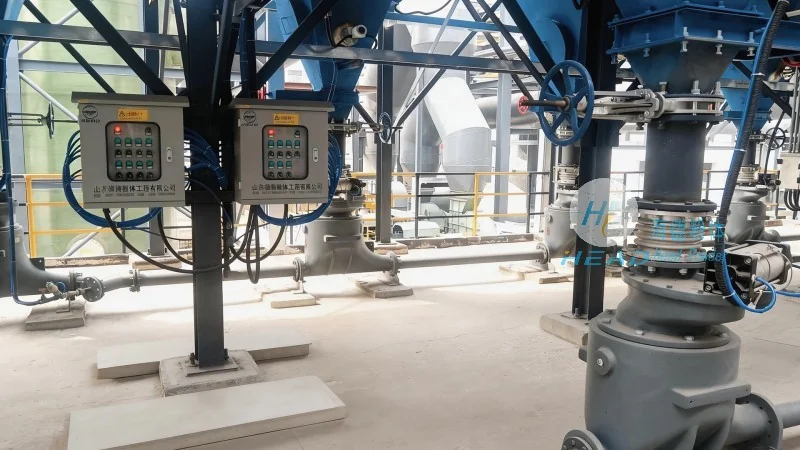
A rice husk material conveying line typically consists of a series of components designed to move rice husk from one point to another within a processing facility. The system may include feeders, conveyors (such as belt conveyors, screw conveyors, or pneumatic conveyors), and control systems. Each component is carefully selected and integrated to ensure smooth and continuous material flow, minimizing downtime and maximizing throughput. The design of these lines is tailored to the specific characteristics of rice husk, including its size, density, and moisture content, as well as the operational requirements of the facility.
About HeadPowder: Shandong HeadPowder Engineering Co., Ltd.
HeadPowder, or Shandong HeadPowder Engineering Co., Ltd., is a leading manufacturer and supplier of material handling equipment, including rice husk conveying lines. With a strong presence in China, particularly in Shandong province, the company specializes in designing, manufacturing, and installing customized conveying solutions for various industrial applications. HeadPowder's expertise lies in understanding the unique challenges of handling rice husk and developing robust, reliable systems that meet the specific needs of clients. The company's facilities and technical team are dedicated to delivering high-quality products and services that enhance operational efficiency and sustainability in rice husk processing.
Design Principles of Rice Husk Material Conveying Lines
The design of a rice husk material conveying line follows several key principles to ensure optimal performance. First, the system must be capable of handling the physical properties of rice husk, such as its irregular shape and potential for clogging. This often involves the use of specialized equipment like flexible screw conveyors or pneumatic systems that can accommodate the material's characteristics. Second, the design emphasizes energy efficiency and cost-effectiveness. By optimizing the conveyor speed, material flow rate, and system layout, the conveying line can minimize energy consumption while maximizing material throughput. Third, safety and maintenance are integral parts of the design. Features such as overload protection, easy access for maintenance, and durable materials are incorporated to ensure long-term reliability and minimal downtime. Additionally, the design considers the environmental impact, with options for dust control and noise reduction to comply with regulatory standards and promote sustainable operations.
Key Components and Their Functions
Several key components make up a rice husk material conveying line, each playing a critical role in the overall system. The feed hopper is the initial component that receives the rice husk from the source, such as a storage silo or a processing machine. It ensures a consistent and controlled feed of material into the conveyor system. The conveyor itself, whether a belt, screw, or pneumatic system, is responsible for transporting the rice husk along the desired path. Belt conveyors are commonly used for horizontal or slight incline transport due to their ability to handle large volumes and heavy loads. Screw conveyors are ideal for vertical or inclined transport, as they can lift and move material vertically with minimal space requirements. Pneumatic conveyors, on the other hand, use air pressure to transport material through a pipeline, making them suitable for dusty or fine materials like rice husk. The control system manages the operation of the entire line, including start/stop functions, speed adjustments, and safety interlocks. It ensures that the conveying line operates smoothly and safely, responding to changes in material flow or system conditions.

Applications and Benefits
Rice husk material conveying lines are widely used in various applications, including rice husk processing for biofuel production, animal feed manufacturing, and industrial applications like power generation. The primary benefits of these lines include improved material handling efficiency, reduced labor costs, and enhanced safety in the workplace. By automating the transport of rice husk, the system minimizes manual handling, which reduces the risk of injury and improves worker safety. Additionally, the efficient transport of material leads to higher production rates and better utilization of the rice husk resource. The design flexibility of these lines allows them to be adapted to different production scales and operational needs, making them suitable for both small-scale and large-scale industrial operations. Overall, rice husk material conveying lines play a crucial role in optimizing the processing and utilization of rice husk, contributing to sustainable and efficient agricultural and industrial practices.
Conclusion
In summary, a rice husk material conveying line is a specialized system designed to efficiently transport rice husk within processing facilities. The design principles, components, and applications of such lines are tailored to the unique characteristics of rice husk and the operational requirements of the facility. Companies like Shandong HeadPowder Engineering Co., Ltd. play a vital role in developing and providing these systems, ensuring that rice husk can be handled safely, efficiently, and sustainably. By understanding the design and functionality of these lines, industries can enhance their operational performance and contribute to the effective utilization of agricultural byproducts.