

What Are Inorganic Salt Powder Handling Equipment? And What Are Their Design Principles?
The efficient and reliable handling of inorganic salt powders is a critical aspect of many industrial processes, from chemical manufacturing to food processing and beyond. Inorganic salts, such as sodium chloride, calcium carbonate, and various industrial-grade salts, are often used in bulk quantities and require specialized equipment to transport, store, and distribute safely and effectively. This article explores the concept of inorganic salt powder handling equipment, detailing its design principles and the role of advanced engineering solutions in optimizing powder flow and system performance.

Inorganic Salt Powder Handling Equipment: An Overview
Inorganic salt powder handling equipment refers to a range of machinery and systems designed to manage the movement, storage, and processing of dry, free-flowing inorganic salts. These systems are engineered to address the unique challenges posed by powders, including their tendency to agglomerate, caking, or create dust, which can impact flow characteristics and system efficiency. The primary goal of such equipment is to ensure safe, consistent, and efficient operation while minimizing material loss and environmental contamination.
Key Components and Functional Design
The design of inorganic salt powder handling equipment typically incorporates several key components that work in concert to achieve optimal performance. These include:
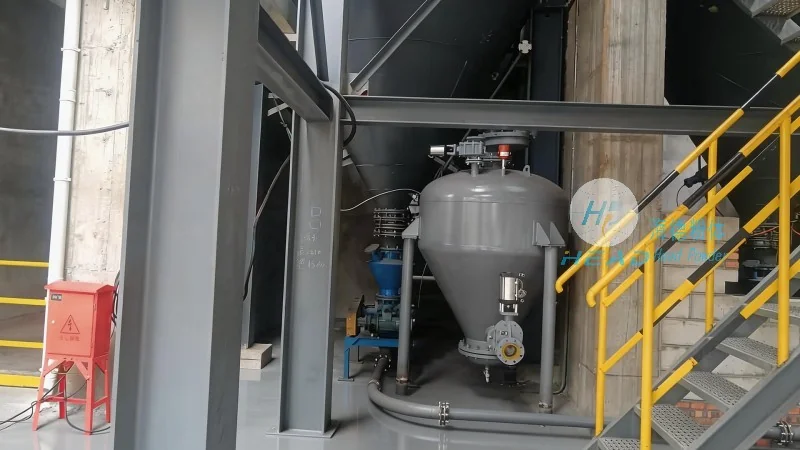
- **Hopper and Feeder Systems**: Hoppers are used to store and feed the inorganic salt powder into the system. They are designed with smooth, sloped walls to prevent material buildup and ensure uniform flow. Feeder mechanisms, such as rotary valves or vibratory feeders, control the rate of material discharge, maintaining consistent flow rates.
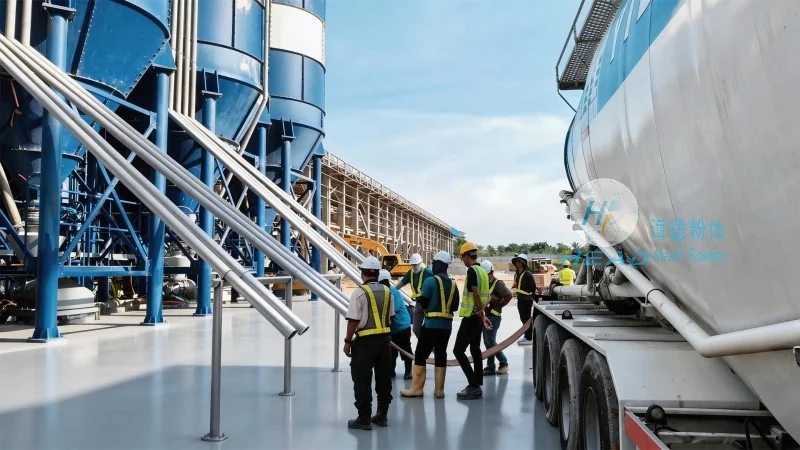
- **Conveying Equipment**: Conveyors, such as screw conveyors or pneumatic systems, transport the powder from one location to another. Screw conveyors are ideal for horizontal or slight incline applications, while pneumatic conveying systems use air pressure to move powder through pipelines, offering flexibility in layout and distance.
- **Dust Control and Filtration**: Inorganic salts can generate dust during handling, which poses health and safety risks. Equipment often includes dust collection systems, such as cyclones or baghouses, to capture and filter airborne particles, ensuring compliance with environmental regulations and worker safety standards.
- **Control and Monitoring Systems**: Modern powder handling systems feature advanced control panels and sensors that monitor parameters like flow rate, pressure, and temperature. These systems allow for real-time adjustments and help prevent issues like overfilling or equipment failure.
The Role of Headpowder in Developing Advanced Powder Handling Solutions
Shandong HeadPowder Engineering Co., Ltd., commonly known as Headpowder, is a leading manufacturer specializing in the design and production of high-quality inorganic salt powder handling equipment. With a strong focus on innovation and customer-centric solutions, Headpowder has developed a range of products tailored to the specific needs of industries dealing with inorganic salts. The company's engineering team leverages decades of experience and cutting-edge technology to create systems that enhance efficiency, reduce downtime, and improve overall operational performance.
Headpowder's approach to product development involves a deep understanding of the material properties of inorganic salts. By analyzing factors such as particle size, moisture content, and flow characteristics, the company designs equipment that minimizes agglomeration and ensures smooth, consistent flow. This attention to detail results in systems that are more reliable and durable, reducing maintenance costs and extending the lifespan of the equipment.
Practical Applications and Operational Benefits
Inorganic salt powder handling equipment from Headpowder is widely used in various industrial applications. For example, in the chemical industry, these systems are essential for transporting raw materials like sodium hydroxide and calcium chloride to production lines. In the food industry, they are used to handle salt and other additives in food processing facilities, ensuring precise dosing and uniform distribution. Additionally, in the pharmaceutical sector, specialized powder handling systems are used to manage active ingredients and excipients, maintaining strict quality and safety standards.
The operational benefits of using advanced inorganic salt powder handling equipment are significant. By improving flow consistency, these systems reduce the risk of blockages and material waste, leading to cost savings and increased productivity. Enhanced dust control measures also improve workplace safety and environmental compliance, reducing the likelihood of regulatory penalties. Furthermore, the ability to monitor and control system parameters in real time allows for proactive maintenance, minimizing unexpected downtime and extending the overall lifespan of the equipment.