

What is a Resin Powder Conveying Line? What are its Design Principles?
Resin powder conveying lines are critical components in industrial manufacturing processes, particularly in the polymer and material processing sectors. These systems are engineered to efficiently transport resin powders from storage to processing units, ensuring consistent flow and minimal material loss. The design of such lines is crucial for maintaining product quality and operational efficiency, which is why understanding their principles is essential for industries relying on resin-based materials.
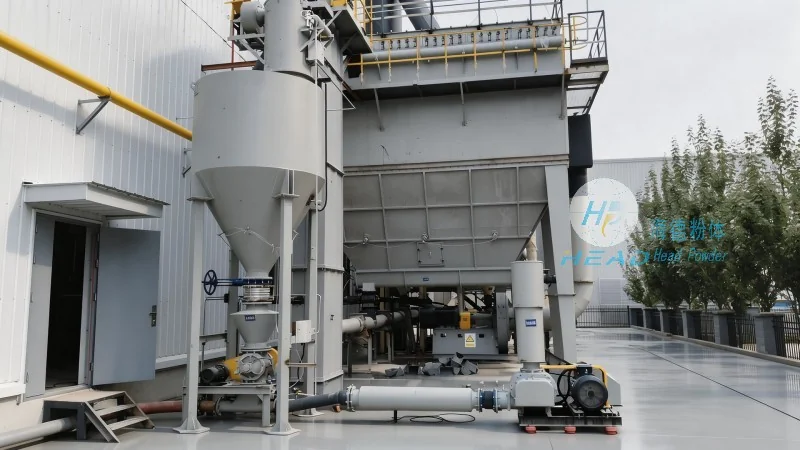
What is a Resin Powder Conveying Line?
A resin powder conveying line is a specialized system designed to handle the transportation of resin powders, which are often used in applications like injection molding, extrusion, and 3D printing. These lines typically consist of several key components, including hoppers for material storage, conveyor mechanisms (such as screw conveyors or pneumatic systems), and control systems to regulate the flow of the powder. The primary goal of these systems is to ensure that resin powders are moved safely, efficiently, and without degradation, which is vital for maintaining the integrity of the final product.
Key Design Principles of Resin Powder Conveying Lines
The design of resin powder conveying lines is guided by several fundamental principles aimed at optimizing performance and reliability. First, the system must ensure minimal material degradation, as resin powders are sensitive to moisture, temperature, and mechanical stress. This is achieved through the use of materials that are non-reactive and corrosion-resistant, such as stainless steel or specialized plastics. Second, the design focuses on maintaining a consistent flow rate, which is critical for downstream processes like mixing and molding. This consistency is often achieved through the use of variable speed drives and precise control mechanisms.
Third, the conveying line must be designed for easy maintenance and cleaning. Resin powders can adhere to surfaces, leading to clogging and contamination if not properly managed. Therefore, many systems incorporate features like self-cleaning mechanisms, easy-to-access components, and cleaning protocols to prevent buildup. Additionally, the design considers the need for dust control and environmental safety, as resin powders can be hazardous if inhaled or if they pose a fire risk. Proper ventilation and filtration systems are integrated into the design to mitigate these risks.
Components and Functionality of Resin Powder Conveying Lines
The effectiveness of a resin powder conveying line depends on the integration of several key components, each serving a specific function. The hopper is the initial component where resin powders are stored. It is designed to hold a large volume of material while preventing caking or bridging, which can impede flow. The hopper often includes a discharge valve or gate to control the release of material into the conveyor system.

The conveyor mechanism is the core of the system, responsible for moving the resin powder from the hopper to the processing unit. Common types of conveyors used in resin powder systems include screw conveyors, which use a rotating screw to push material forward, and pneumatic conveyors, which use air pressure to transport the powder through a pipeline. The choice of conveyor type depends on factors such as the material's properties, the required flow rate, and the system's layout. Screw conveyors are often preferred for their ability to handle a wide range of materials and their low maintenance requirements, while pneumatic systems are ideal for high-volume, low-density powders.
The control system is another critical component, responsible for regulating the flow of resin powder and ensuring the system operates within safe parameters. This system typically includes sensors to monitor the level of material in the hopper, the flow rate of the conveyor, and the pressure in the pneumatic lines. These sensors feed data to a control unit, which adjusts the speed of the conveyor or the pressure of the air system as needed. The control system also includes safety features, such as emergency stop buttons and alarms, to prevent accidents and protect personnel.
Applications and Benefits of Resin Powder Conveying Lines
Resin powder conveying lines are widely used in various industries, including automotive, electronics, and consumer goods manufacturing. In the automotive industry, these systems are used to transport resin powders for parts like car interiors and exteriors, ensuring consistent quality and reducing waste. In electronics, they are used to handle resin powders for circuit boards and other components, where precision and consistency are paramount. The benefits of using resin powder conveying lines extend beyond just efficient material transport; they also contribute to improved product quality, reduced downtime, and enhanced safety in the workplace.
One of the key benefits of these systems is their ability to maintain the purity of the resin powder. By minimizing exposure to air, moisture, and contaminants, the conveying line helps preserve the material's properties, which is crucial for achieving the desired performance in the final product. Additionally, the consistent flow provided by these systems reduces the risk of overmixing or undermixing, leading to more uniform products. This consistency also helps in reducing waste, as less material is wasted due to improper handling or processing.

Another significant benefit is the improved safety and environmental compliance. Resin powders can be hazardous if not handled properly, and the conveying line's design incorporates features to minimize exposure to personnel. For example, the system may include enclosed conveyor sections and proper ventilation to prevent dust from escaping into the workplace. This not only protects workers but also helps the company comply with environmental regulations, reducing the risk of fines or legal issues.
Customization and Integration with Manufacturing Processes
Resin powder conveying lines are often customized to meet the specific needs of a manufacturing process. This customization can include adjustments to the hopper size, conveyor speed, and control system to accommodate different resin types and production volumes. Many systems are also designed to integrate seamlessly with other manufacturing equipment, such as mixers, extruders, and injection molding machines. This integration allows for a streamlined production process, where resin powders are transported directly from the conveying line to the processing unit without manual intervention.
The ability to customize the system is particularly important for companies that work with a variety of resin materials. Different resins have different properties, such as density, flowability, and moisture sensitivity, which require different handling approaches. By customizing the conveying line, manufacturers can ensure that each resin type is handled optimally, maximizing efficiency and minimizing issues. Additionally, the integration with other equipment allows for a more automated production line, reducing the need for manual labor and improving overall productivity.
Maintenance and Longevity of Resin Powder Conveying Lines
Proper maintenance is essential to ensure the longevity and reliability of resin powder conveying lines. Regular maintenance tasks include cleaning the hopper and conveyor to prevent clogging, checking the condition of the conveyor components (such as screws or belts), and inspecting the control system for any malfunctions. These tasks are typically performed on a scheduled basis, based on the manufacturer's recommendations or the system's usage. Regular maintenance not only prevents breakdowns but also helps identify potential issues before they become major problems.

Another important aspect of maintenance is the use of appropriate materials and lubricants. The components of the conveying line, especially the conveyor screws and bearings, require regular lubrication to ensure smooth operation and prevent wear. Using the correct type of lubricant is crucial, as using the wrong one can lead to corrosion or damage to the components. Additionally, the system should be inspected for any signs of wear or damage, such as cracks or loose parts, which may indicate a need for replacement.
By following a regular maintenance schedule and using high-quality components, manufacturers can extend the lifespan of their resin powder conveying lines. This not only reduces the cost of replacement but also ensures that the system continues to operate efficiently and reliably. Proper maintenance also helps maintain the quality of the resin powder, as a well-maintained system minimizes the risk of contamination or degradation.
Conclusion: The Importance of Resin Powder Conveying Lines in Modern Manufacturing
In conclusion, resin powder conveying lines are indispensable in modern manufacturing, particularly in industries that rely on resin-based materials. These systems are designed to efficiently transport resin powders while maintaining their quality and integrity, which is essential for producing high-quality products. The design principles, components, and applications of these lines are tailored to meet the specific needs of different industries, ensuring optimal performance and reliability.
Companies like Shandong HeadPowder Engineering Co., Ltd., based in China, specialize in designing and manufacturing these systems, providing customized solutions to meet the diverse needs of their clients. With a focus on quality, efficiency, and safety, these companies play a crucial role in supporting the manufacturing processes of industries worldwide. As manufacturing continues to evolve, the importance of resin powder conveying lines will only increase, making them a vital component of modern industrial operations.