

What is a Mica Sand Powder Conveying Line? And What Are Its Design Principles?
When it comes to handling mica sand powder in industrial settings, the mica sand powder conveying line is a critical piece of equipment. This system is designed to efficiently transport mica sand powder from one location to another, ensuring smooth and reliable operation in various production processes. Understanding the components and design principles of such a line is essential for optimizing performance and maintaining product quality.
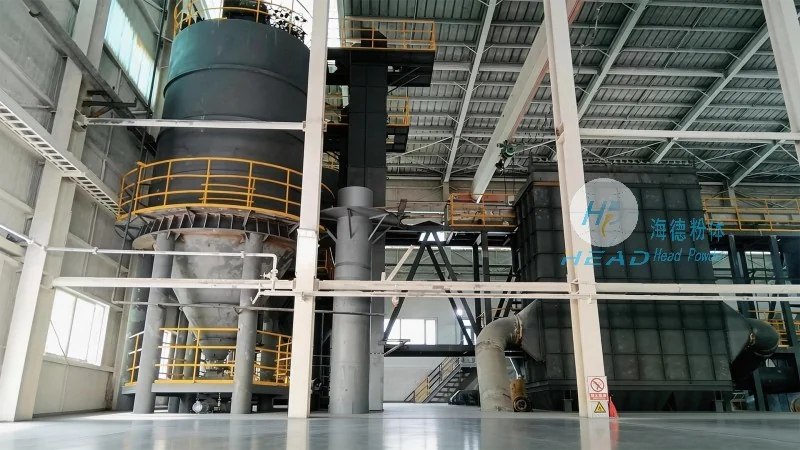
Overview of Mica Sand Powder Conveying Lines
A mica sand powder conveying line typically consists of several key components that work together to achieve the desired transport of mica sand powder. These components may include hoppers for material storage, feeders to control the flow rate, conveyor systems (such as pneumatic or mechanical conveyors), and control systems to regulate the entire process. The system is engineered to handle the unique properties of mica sand powder, which can vary in particle size, moisture content, and bulk density. By integrating these elements, the conveying line ensures that mica sand powder is moved safely and efficiently, minimizing the risk of material loss or contamination.

Key Design Principles for Mica Sand Powder Conveying Lines
The design of a mica sand powder conveying line is based on several fundamental principles that address the specific challenges of handling fine powders. One of the primary principles is the prevention of material segregation and agglomeration. Mica sand powder can be prone to sticking together or separating based on particle size, which can affect downstream processes. To mitigate this, the conveying line incorporates features like gentle material handling, appropriate air flow in pneumatic systems, and anti-static measures to keep the powder free-flowing. Another crucial principle is the control of dust and airborne particles. Mica sand powder is often fine and can create dust during transport, posing health and safety risks. Therefore, the design includes dust collection systems and sealed components to maintain a clean and safe working environment.

Components and Their Functions in a Mica Sand Powder Conveying Line
Each component of the mica sand powder conveying line plays a vital role in the overall operation. The hopper serves as the initial storage unit, providing a large capacity to hold the mica sand powder before it is fed into the conveyor. The feeder, often a rotary valve or a vibratory feeder, regulates the flow rate of the material, ensuring a consistent and controlled feed to the conveyor system. The conveyor itself, which can be a pneumatic conveyor using air to move the powder or a mechanical conveyor with belts or screws, is responsible for the actual transport of the mica sand powder. The control system, equipped with sensors and automation, monitors the flow rate, pressure, and other parameters to maintain optimal performance and prevent system failures. Additionally, the system may include cleaning mechanisms and maintenance access points to ensure long-term reliability and ease of upkeep.

Benefits of Using a Mica Sand Powder Conveying Line
Implementing a mica sand powder conveying line offers numerous benefits for industrial operations. First, it enhances efficiency by automating the material transport process, reducing the need for manual handling and minimizing downtime. This leads to increased productivity and cost savings over time. Second, the system improves product quality by maintaining consistent material flow and preventing contamination or degradation of the mica sand powder. Third, the design focuses on safety, with features that reduce dust exposure and ensure the material is handled in a controlled environment. Finally, the flexibility of the conveying line allows it to be adapted to different production scales and requirements, making it a versatile solution for various applications.