

What is a Wood Fiber Powder Conveying Line? And What Are Its Design Principles?
Wood fiber powder conveying lines are specialized systems engineered to transport wood fiber powders efficiently and reliably. These systems are crucial in various industrial applications, such as the production of wood-based panels, paper, and other wood-derived products. The design of these conveying lines is tailored to handle the unique properties of wood fiber powders, including their fine particle size, hygroscopic nature, and tendency to agglomerate. Understanding the components and operational principles of a wood fiber powder conveying line is essential for optimizing material handling processes and ensuring consistent product quality. Developed by Shandong HeadPowder Engineering Co., Ltd., a leading manufacturer based in China, these systems are built to meet the demanding requirements of modern industrial operations.

Key Components of a Wood Fiber Powder Conveying Line
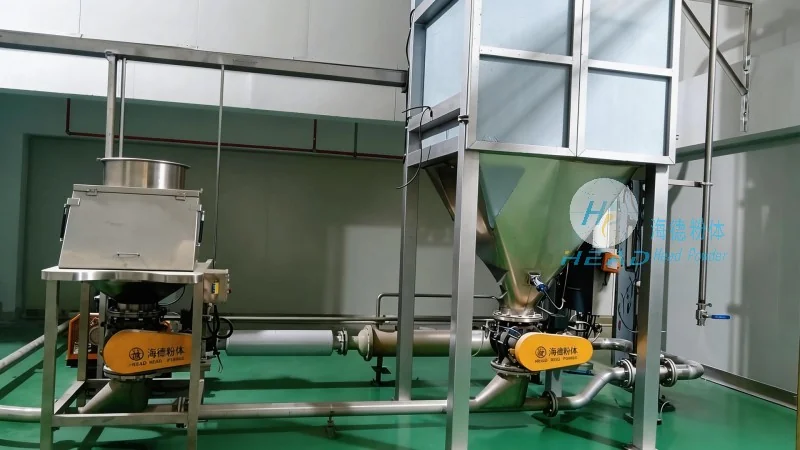
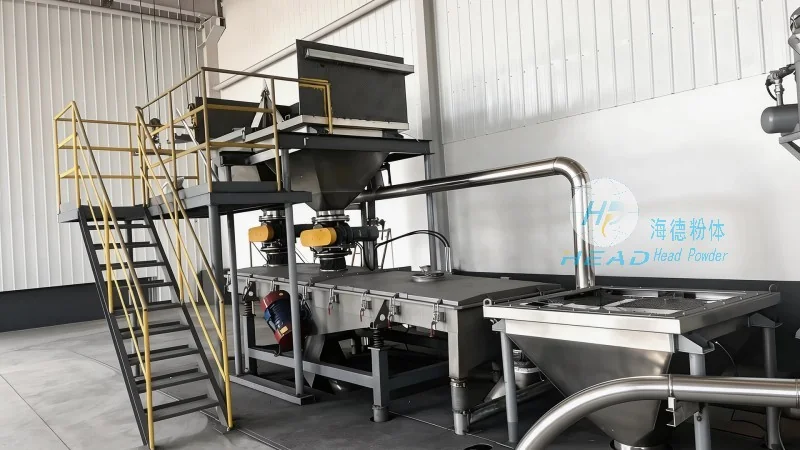
The core components of a wood fiber powder conveying line typically include a hopper for material storage, a feeder to control the flow rate, a conveyor system (such as a screw conveyor, pneumatic conveyor, or belt conveyor), and a control system to regulate the entire process. The hopper is designed to accommodate the bulk storage of wood fiber powders, often with a conical or rectangular shape to minimize material bridging and ensure smooth discharge. The feeder, which may be a rotary valve or a screw feeder, plays a critical role in maintaining a consistent flow rate, preventing overloading or underloading of the conveyor system. The conveyor system itself is selected based on the specific characteristics of the wood fiber powder, such as its moisture content, particle size distribution, and bulk density. For example, a screw conveyor is commonly used for dry, free-flowing wood fiber powders, while a pneumatic conveyor may be preferred for handling fine, dusty powders that require dust collection and filtration. The control system integrates sensors and actuators to monitor and adjust parameters like flow rate, pressure, and temperature, ensuring the conveying process operates within optimal conditions.

Design Principles for Efficient Wood Fiber Powder Conveying
The design principles of a wood fiber powder conveying line focus on several key factors to ensure optimal performance. First, the system must address the hygroscopic nature of wood fiber powders, which can lead to moisture absorption and clumping. This is often achieved through the incorporation of drying or conditioning sections within the conveying line, which help maintain the powder's moisture content at an optimal level. Second, the design must consider the tendency of wood fiber powders to agglomerate, which can cause blockages and reduce conveying efficiency. To mitigate this, the conveying line may include agitators or vibrators that break up clumps as the material moves through the system. Third, the system is designed to minimize material degradation, such as attrition or compression, which can affect the quality of the final product. This is achieved by using smooth, corrosion-resistant materials for the conveyor components and avoiding high-speed impacts or excessive pressure. Additionally, the control system is integrated to monitor key parameters like flow rate, pressure, and temperature, allowing for real-time adjustments to maintain process stability. The design also emphasizes energy efficiency, with components selected to minimize power consumption while maximizing conveying capacity.
Operational Considerations and Maintenance
Operational considerations for wood fiber powder conveying lines include regular maintenance to ensure long-term reliability. This includes cleaning the hopper and conveyor components to prevent material buildup and corrosion, inspecting the feeder and conveyor for wear and tear, and checking the control system for proper functionality. Proper maintenance can significantly extend the lifespan of the equipment and reduce downtime. As a manufacturer based in China, Shandong HeadPowder Engineering Co., Ltd. provides comprehensive maintenance services and spare parts to support their customers, ensuring that the conveying lines operate at peak efficiency. Additionally, operators should be trained to handle the unique properties of wood fiber powders, such as their tendency to generate dust and their potential to cause respiratory issues if not handled with appropriate safety measures. The use of dust collection systems and personal protective equipment (PPE) is essential to maintain a safe working environment. Furthermore, the system should be designed with scalability in mind, allowing for future expansion or integration with other processing equipment as production needs evolve.
Applications and Benefits
Wood fiber powder conveying lines are widely used in various industrial sectors, including the wood products industry, paper manufacturing, and biofuel production. In the wood products industry, these systems are used to transport wood fiber powders to production lines for the manufacturing of particleboard, MDF (medium-density fiberboard), and other composite materials. The efficient handling of wood fiber powders ensures consistent material quality, which is critical for producing high-performance wood-based products. In the paper industry, wood fiber powder conveying lines are used to transport raw materials to paper machines, where they are processed into paper products. The benefits of using a dedicated wood fiber powder conveying line include improved process efficiency, reduced material waste, and enhanced product consistency. Additionally, these systems help minimize environmental impact by reducing dust emissions and improving material utilization rates. For companies operating in these industries, investing in a well-designed wood fiber powder conveying line from Shandong HeadPowder Engineering Co., Ltd. can lead to significant operational and financial advantages, supporting long-term growth and sustainability.