

What is Wheat Starch Material Handling? What Are the Design Principles?
Wheat starch material handling is a specialized process in the food and chemical industries that focuses on the efficient movement, storage, and transfer of wheat starch. This essential operation is critical for ensuring the quality and consistency of wheat starch products, which are widely used in various applications such as food processing, pharmaceuticals, and cosmetics. The design principles behind wheat starch material handling systems are tailored to address the unique characteristics of wheat starch, including its fine particle size, hygroscopic nature, and the need for contamination-free handling.

Understanding Wheat Starch Material Handling
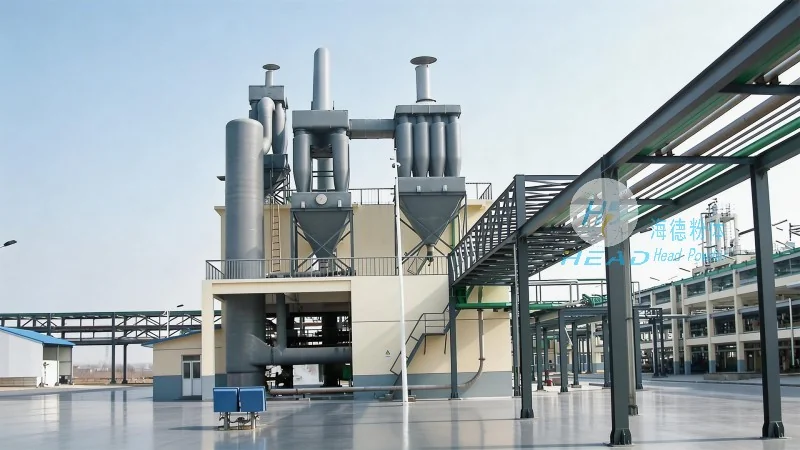
Wheat starch material handling involves the use of specialized equipment and systems to manage the flow of wheat starch from raw material storage to processing units. This process is crucial for maintaining the purity and quality of wheat starch, which is sensitive to moisture and temperature changes. The handling system typically includes components such as silos, conveyors, and storage bins, all designed to minimize dust generation and prevent contamination. By implementing an effective material handling system, manufacturers can enhance production efficiency, reduce operational costs, and ensure compliance with industry standards.
Key Design Principles for Wheat Starch Material Handling
The design of wheat starch material handling systems is guided by several key principles that address the specific challenges of handling this fine, hygroscopic powder. First, the system must prioritize dust control and containment to prevent product loss and ensure a safe working environment. This is achieved through the use of sealed containers, enclosed conveyors, and dust collection systems. Second, the design must consider the material's flow properties, as wheat starch can be prone to bridging and caking in storage silos. To mitigate this, systems often incorporate agitators, vibrators, or air cannons to maintain consistent flow. Third, the equipment must be constructed from materials that are resistant to corrosion and chemical exposure, as wheat starch may contain trace amounts of moisture or acids that could degrade metal surfaces over time. Additionally, the design must allow for easy cleaning and maintenance to prevent cross-contamination and ensure long-term operational reliability.
Role of HeadPowder in Wheat Starch Material Handling Solutions
Shandong HeadPowder Engineering Co., Ltd. specializes in providing comprehensive material handling solutions tailored to the needs of wheat starch processing facilities. With a focus on innovation and quality, HeadPowder designs and manufactures equipment that adheres to the strictest industry standards. The company's expertise lies in understanding the unique challenges of wheat starch handling and developing customized systems that optimize performance and efficiency. By leveraging advanced engineering techniques and materials, HeadPowder ensures that their solutions are durable, reliable, and cost-effective. The company's commitment to customer satisfaction is evident in their comprehensive after-sales support and technical assistance, which helps clients maximize the lifespan and performance of their material handling equipment.

Conclusion: The Importance of Proper Wheat Starch Material Handling
Proper wheat starch material handling is not just a logistical necessity but a critical factor in maintaining product quality and operational efficiency. The design principles outlined above, combined with the expertise of companies like Shandong HeadPowder Engineering Co., Ltd., enable manufacturers to handle wheat starch safely and effectively. By investing in well-designed material handling systems, businesses can reduce waste, improve production throughput, and meet the stringent requirements of modern food and chemical industries. As the demand for high-quality wheat starch products continues to grow, the importance of reliable material handling solutions will only increase, making it essential for manufacturers to choose systems that are both efficient and compliant with industry regulations.