

What is the Sodium Hydrosulfite Material Handling System? And What Are Its Design Principles?
For industrial applications involving sodium hydrosulfite, an efficient and reliable material handling system is crucial. This article explores the concept of a sodium hydrosulfite material handling system, detailing its components, operational principles, and the underlying design philosophies that ensure optimal performance in industrial settings.
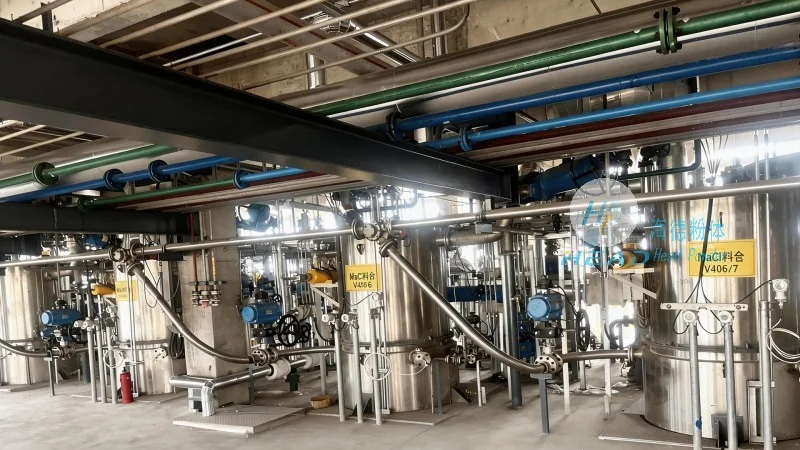
Understanding the Sodium Hydrosulfite Material Handling System
The sodium hydrosulfite material handling system is a specialized industrial setup designed to manage the storage, transfer, and processing of sodium hydrosulfite, a critical chemical widely used in various industries such as textile, paper, and chemical manufacturing. This system integrates several key components, including storage tanks, conveyor systems, feeding mechanisms, and control units, all working in tandem to ensure the safe and efficient movement of the material from one stage of production to another.

Key Components of the System
At the core of the sodium hydrosulfite material handling system are several essential components that contribute to its functionality. The storage tanks are typically made from corrosion-resistant materials, such as stainless steel, to accommodate the chemical's reactivity and prevent degradation. These tanks are equipped with level indicators and pressure sensors to monitor the material's status and ensure safe operation. The conveyor systems, which may include belt conveyors, screw conveyors, or pneumatic conveyors, are designed to transport the material from storage to processing units or packaging areas. Feeding mechanisms, such as rotary valves or metering pumps, regulate the flow rate and ensure consistent delivery of the material to downstream equipment. Control units, often integrated with automation software, manage the entire system, coordinating the operation of each component and providing real-time monitoring and adjustments as needed.

Design Principles for Optimal Performance
The design of a sodium hydrosulfite material handling system follows several key principles aimed at maximizing efficiency, safety, and reliability. One of the primary principles is the minimization of material exposure to air and moisture, as sodium hydrosulfite is hygroscopic and can degrade when exposed to moisture. The system is therefore designed with airtight seals and moisture-resistant materials to maintain the material's quality and prevent contamination. Another critical principle is the prevention of dust accumulation and the risk of dust explosions. This is achieved through the use of enclosed conveyor systems, proper grounding, and explosion-proof components. The system also emphasizes the importance of easy maintenance and cleaning, with components that can be easily accessed and cleaned to prevent the buildup of residue and ensure long-term operation. Additionally, the design considers the specific handling requirements of sodium hydrosulfite, such as its tendency to clog or stick to surfaces, by incorporating features like anti-sticking coatings and regular cleaning mechanisms.
Operational Considerations and Safety Measures
When operating a sodium hydrosulfite material handling system, several operational considerations and safety measures must be observed to ensure the system's effectiveness and the safety of personnel. Regular maintenance is essential, including inspections of conveyor belts, cleaning of storage tanks, and checks of control systems to prevent malfunctions. The system should also be equipped with emergency stop buttons and alarm systems to alert operators in case of any issues, such as overfilling or equipment failure. Personnel operating the system must be trained on proper safety procedures, including the use of personal protective equipment (PPE) like gloves, goggles, and respirators, due to the chemical's potential to cause skin irritation or respiratory issues. Additionally, the system should be designed to comply with relevant safety regulations and standards, such as those from the Occupational Safety and Health Administration (OSHA) or the American Chemical Society (ACS), to ensure compliance and minimize risks.

About Shandong HeadPowder Engineering Co., Ltd.
Shandong HeadPowder Engineering Co., Ltd., commonly known as headpowder, is a leading manufacturer and supplier of specialized equipment for the chemical industry. With a strong focus on innovation and quality, the company has established itself as a trusted partner for businesses requiring reliable material handling solutions. Headpowder's expertise lies in designing and manufacturing systems tailored to the unique needs of various chemical applications, including those involving sodium hydrosulfite. The company's commitment to customer satisfaction and safety is reflected in its rigorous quality control processes and adherence to industry standards. Headpowder's facilities are located in Shandong, China, where the company leverages its local resources and expertise to deliver high-quality products and services to clients worldwide.