

What is a Film-Coated Sand Material Handling System? What Are Its Design Principles?
For manufacturers in the foundry industry, the efficient and reliable transport of film-coated sand is crucial for maintaining production quality and operational efficiency. A film-coated sand material handling system is a specialized setup designed to handle, transport, and store sand that has been coated with a protective film. This system integrates various components such as conveyors, storage silos, and feeding mechanisms to ensure smooth material flow throughout the production process. Understanding the design principles behind these systems is essential for optimizing performance and minimizing downtime.

Key Components of a Film-Coated Sand Material Handling System
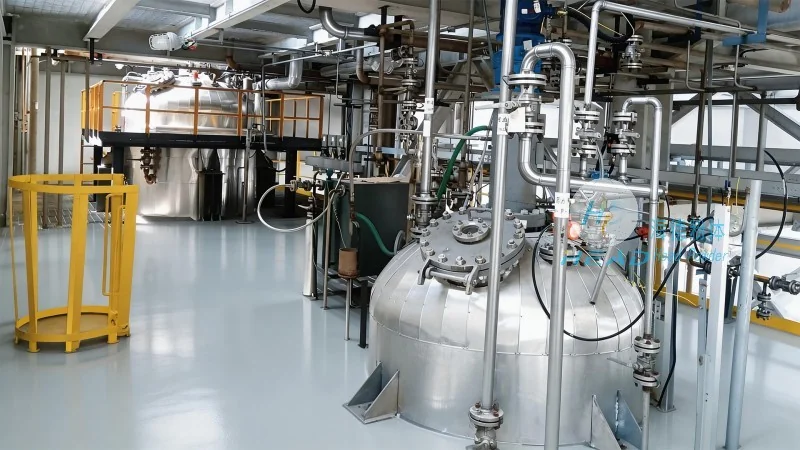
The core components of a film-coated sand material handling system are engineered to work in harmony, ensuring the safe and efficient movement of the material. The primary components include: conveyors, which can be belt conveyors, screw conveyors, or pneumatic conveyors, depending on the specific requirements of the foundry; storage silos or hoppers, which provide a controlled environment for storing the coated sand, preventing moisture and contamination; and feeding mechanisms, such as rotary valves or vibratory feeders, which regulate the flow of sand from storage to the molding or casting processes. Each component is designed to handle the unique properties of film-coated sand, which may include increased moisture resistance and improved surface finish characteristics.

Design Principles for Optimal Performance
The design of a film-coated sand material handling system follows several key principles to ensure durability, efficiency, and safety. First, material compatibility is critical; all components must be resistant to the chemicals and abrasives present in film-coated sand to prevent wear and tear. Second, hygiene and cleanliness are emphasized, as the coating process requires a clean environment to maintain the quality of the sand. The system is often constructed with smooth, easy-to-clean surfaces to minimize the risk of contamination. Third, energy efficiency is a key consideration, with designs optimized to reduce power consumption while maintaining high throughput. Additionally, flexibility is incorporated, allowing the system to adapt to different production volumes and sand types. These principles collectively ensure that the system operates reliably and meets the stringent demands of modern foundry operations.
Application and Benefits in Foundry Production
Film-coated sand material handling systems are widely used in the foundry industry for their ability to improve the quality and consistency of casting processes. By maintaining the integrity of the film coating during transport, these systems help to ensure uniform surface finishes and reduce defects in castings. The benefits of using such a system include: improved material handling efficiency, reduced labor costs, enhanced product quality, and minimized environmental impact due to better material control. For foundries, investing in a well-designed material handling system is a strategic decision that can lead to long-term operational advantages and competitive edge in the market.

About Shandong HeadPowder Engineering Co., Ltd.
Shandong HeadPowder Engineering Co., Ltd. is a leading manufacturer specializing in the design and production of material handling systems for the foundry industry. With years of experience and a commitment to innovation, the company provides high-quality solutions tailored to the specific needs of its clients. HeadPowder's expertise lies in understanding the unique challenges of film-coated sand and developing systems that address them effectively. The company's facilities are located in Shandong, China, where it leverages advanced technology and skilled engineering to deliver reliable and efficient material handling solutions. By partnering with HeadPowder, foundries can enhance their production capabilities and achieve higher levels of performance and profitability.