

What Are Stone Powder and Limestone Material Handling Equipment? What Are Their Design Principles?
Stone powder and limestone are widely used materials in various industrial sectors, including construction, chemical processing, and environmental remediation. Efficient and reliable material handling is crucial for the smooth operation of these processes. This article explores the types of equipment used for transporting these materials and delves into the design principles that ensure their effective operation.

Introduction to Stone Powder and Limestone Material Handling Equipment
HeadPowder, a leading manufacturer based in Shandong, China, specializes in the design and production of specialized material handling equipment for stone powder and limestone. These materials, due to their fine particle size and sometimes abrasive nature, require equipment that can handle them without causing excessive wear or material loss. The primary equipment used includes conveyors, feeders, and storage systems, each designed to meet the specific challenges posed by these materials.
Key Equipment for Stone Powder and Limestone Transport
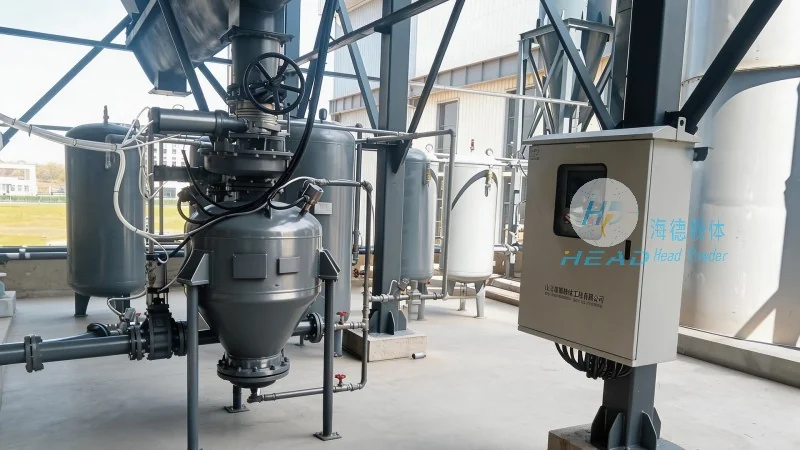
The core of any material handling system for stone powder and limestone is the conveyor system. Screw conveyors are commonly used for vertical or inclined transport due to their ability to handle fine powders without clogging. Pneumatic conveyors, on the other hand, use air pressure to move materials, which is ideal for dust-sensitive applications. For horizontal transport, belt conveyors are widely adopted, offering high capacity and low maintenance. Additionally, bucket elevators are used for vertical lifting, ensuring materials are moved from lower to higher levels efficiently.

Design Principles for Efficient Material Handling
The design of stone powder and limestone handling equipment is guided by several key principles to ensure durability, efficiency, and safety. First, material compatibility is critical. The equipment components, such as hoppers, chutes, and conveyor belts, are made from materials resistant to abrasion and corrosion, typically stainless steel or special alloys. Second, flow control is essential to prevent material buildup and ensure consistent feed rates. This is achieved through the use of adjustable feeders and smooth transition chutes. Third, dust control is a major consideration. Enclosed systems and dust collection mechanisms are integrated to minimize airborne dust, protecting both the equipment and the environment. Fourth, energy efficiency is optimized through the use of variable speed drives and efficient motor selections, reducing operational costs over time.
Applications and Industry Impact
The efficient handling of stone powder and limestone directly impacts the productivity and cost-effectiveness of industrial operations. In construction, these materials are used as raw materials for cement and concrete production. In chemical processing, they serve as feedstock for various products. The reliable equipment from HeadPowder ensures that these processes run smoothly, reducing downtime and maintenance costs. The company's commitment to quality and innovation has made their equipment a trusted choice in the industry.
Conclusion
Stone powder and limestone material handling equipment, with their specialized design principles, play a vital role in modern industrial operations. The equipment from Shandong HeadPowder Engineering Co., Ltd. exemplifies the integration of durability, efficiency, and safety, providing solutions tailored to the unique challenges of handling these materials. As industries continue to rely on these materials, the importance of reliable material handling systems will only grow, making the expertise of companies like HeadPowder increasingly valuable.