

What is a Carbon Fiber Material Conveying Line? And What Are Its Design Principles?
Carbon fiber material conveying lines are specialized industrial systems engineered to transport carbon fiber materials efficiently and safely. These systems are crucial in manufacturing processes where carbon fiber is used as a raw material or component. The design of such conveying lines is tailored to the unique properties of carbon fiber, including its high strength, low weight, and abrasive nature, ensuring optimal performance and longevity. Developed by Shandong HeadPowder Engineering Co., Ltd., these systems are built to meet the demanding requirements of modern manufacturing.
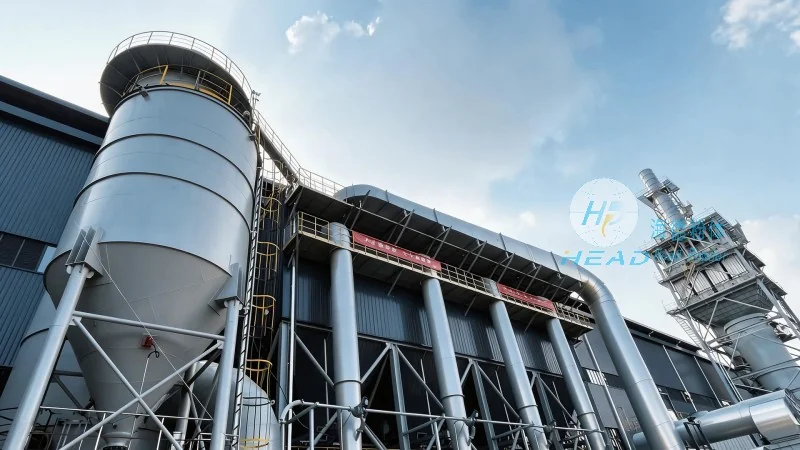
Introduction to Carbon Fiber Material Conveying Lines
A carbon fiber material conveying line typically consists of several key components, including feeders, conveyors, and control systems. The feeders are responsible for collecting and preparing the carbon fiber material for transport, while the conveyors move the material through the system. Control systems manage the operation of the conveying line, ensuring smooth and consistent material flow. These components work together to create a seamless process from material intake to final delivery.
Design Principles of Carbon Fiber Material Conveying Lines
The design of a carbon fiber material conveying line is guided by several fundamental principles to ensure effectiveness and reliability. First, the system must be designed to handle the abrasive and high-strength properties of carbon fiber, which can cause wear on conventional equipment. This often involves using specialized materials for conveyor belts, rollers, and other components to minimize wear and extend the life of the system. Second, the conveying line must maintain the integrity of the carbon fiber material, preventing damage such as fiber breakage or contamination. This is achieved through careful selection of materials and design features that reduce friction and impact. Third, the system must be energy-efficient and cost-effective, balancing performance with operational costs. Engineers consider factors like motor efficiency, material flow rates, and maintenance requirements to optimize the design.

Key Components and Their Functions
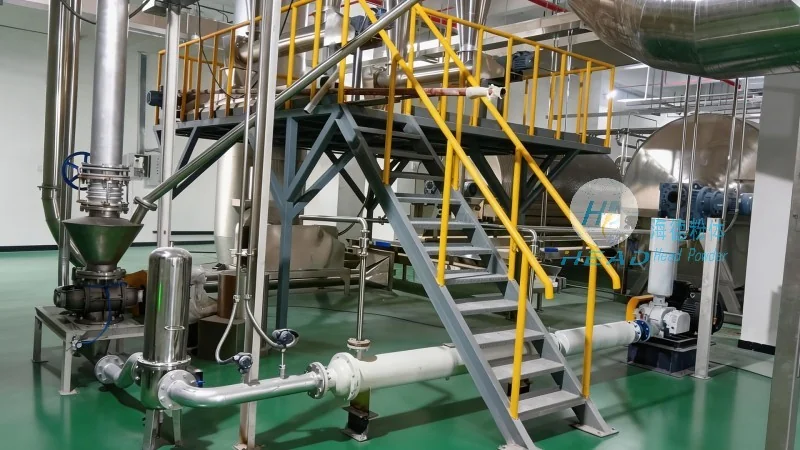
Several critical components make up a carbon fiber material conveying line. The material feeder is the first component, responsible for collecting carbon fiber from storage bins or containers and feeding it into the conveyor system. This component must be designed to handle different forms of carbon fiber, such as pellets, sheets, or continuous fibers, and ensure a consistent feed rate. The conveyor system itself is the core of the line, typically using belt conveyors or screw conveyors to move the material. Belt conveyors are common for transporting loose or pelletized carbon fiber, while screw conveyors are used for more viscous or fibrous materials. The control system manages the operation of the feeder and conveyor, using sensors to monitor material levels, flow rates, and system performance. This allows for real-time adjustments to maintain optimal operation and prevent downtime.
Applications and Industries
Carbon fiber material conveying lines are used in a variety of industries where carbon fiber is a key component. These include aerospace, automotive, sports equipment, and composite manufacturing. In aerospace, the conveying lines are used to transport carbon fiber for aircraft components, ensuring high strength and light weight. In automotive, they are used for manufacturing carbon fiber parts in vehicles, improving performance and fuel efficiency. In sports equipment, the lines are used to produce carbon fiber tennis rackets, bicycles, and other products, enhancing durability and performance. In composite manufacturing, the lines are used to transport carbon fiber to production lines for manufacturing various composite products.

Advantages of Carbon Fiber Material Conveying Lines
Carbon fiber material conveying lines offer several advantages over traditional conveying systems. First, they are designed to handle the unique properties of carbon fiber, ensuring efficient and safe transport. This reduces the risk of material damage and improves overall process efficiency. Second, the specialized components used in these lines are more durable and long-lasting, reducing maintenance costs and downtime. Third, the systems are energy-efficient, using less power to transport the material compared to traditional systems. This results in lower operational costs and a smaller environmental footprint. Finally, the systems are highly customizable, allowing manufacturers to tailor the design to their specific needs and production requirements.
Conclusion
Carbon fiber material conveying lines are essential components in the manufacturing processes of carbon fiber products. Their design is tailored to the unique properties of carbon fiber, ensuring efficient, safe, and reliable transport. The key components, including feeders, conveyors, and control systems, work together to create a seamless process. These systems are used in various industries, including aerospace, automotive, and sports equipment, and offer several advantages over traditional conveying systems. As the demand for carbon fiber products continues to grow, the importance of efficient and reliable material conveying lines will only increase. Shandong HeadPowder Engineering Co., Ltd. specializes in designing and manufacturing such advanced conveying systems to meet the needs of modern industries.