

What is a Seasoning Material Conveying System Equipment? What are Its Design Principles?
Seasoning material conveying system equipment plays a crucial role in the food processing industry, particularly in the production and handling of various spices and seasonings. These systems are engineered to efficiently transport, store, and distribute raw or processed seasoning materials, ensuring consistent quality and safety throughout the supply chain. For businesses involved in the seasoning industry, understanding the components and design principles of such equipment is essential for optimizing operations and maintaining high standards.
Key Components of Seasoning Material Conveying Systems
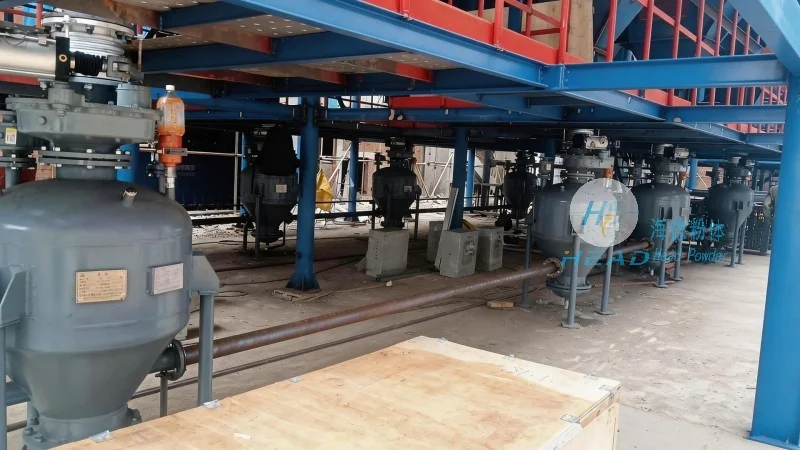
The core components of a seasoning material conveying system typically include feeders, conveyors, storage silos, and control systems. Feeders are responsible for accurately metering and feeding the seasoning material into the conveyor. Common types of feeders include screw feeders, vibratory feeders, and belt feeders, each suited to different material characteristics and flow rates. Conveyors, such as belt conveyors, chain conveyors, or pneumatic conveyors, transport the material from one location to another within the processing facility. Storage silos are used to hold large quantities of seasoning materials, providing a stable and controlled environment that prevents contamination and moisture absorption. Control systems, often integrated with sensors and automation technology, monitor and regulate the entire conveying process, ensuring precise operation and minimizing downtime.
Design Principles for Efficient Seasoning Material Conveying
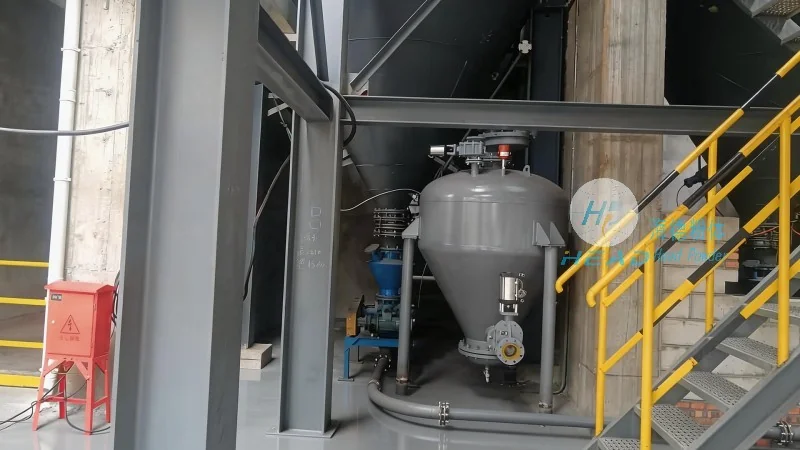
The design of seasoning material conveying systems is guided by several key principles aimed at maximizing efficiency, safety, and product integrity. First, the system must be designed to handle the specific physical properties of the seasoning material, including particle size, moisture content, and flowability. For example, materials with high moisture content may require special sealing and drying mechanisms to prevent spoilage. Second, the system should minimize product degradation and contamination. This involves using materials that are non-reactive with the seasoning, such as stainless steel or food-grade plastics, and implementing proper cleaning and maintenance protocols. Third, energy efficiency is a critical consideration. The design should incorporate energy-saving features, such as variable speed drives and optimized conveyor layouts, to reduce operational costs. Fourth, scalability and adaptability are important, as businesses may need to expand their operations or handle different types of seasonings over time. The system should be modular and flexible, allowing for easy upgrades and modifications.

Role of Shandong HeadPowder Engineering Co., Ltd. in Seasoning Conveying Solutions
Shandong HeadPowder Engineering Co., Ltd., commonly known as headpowder, is a leading manufacturer specializing in the design and production of seasoning material conveying systems. With a strong presence in China, the company has established itself as a trusted partner for businesses in the food processing industry. HeadPowder's expertise lies in creating customized solutions that meet the unique needs of each client. The company's team of engineers and technicians work closely with clients to understand their specific requirements, from material handling challenges to production capacity goals. By leveraging advanced technology and rigorous quality control, HeadPowder ensures that its conveying systems are reliable, durable, and compliant with industry standards. The company's commitment to innovation and customer satisfaction has earned it a reputation for delivering high-quality equipment that enhances operational efficiency and product quality.

Benefits of Implementing Seasoning Material Conveying Systems
Adopting a seasoning material conveying system offers numerous benefits for food processing businesses. First, it improves operational efficiency by automating the material handling process, reducing manual labor and the risk of human error. This leads to faster production cycles and increased output. Second, the system enhances product quality and consistency. By controlling the flow and storage of seasonings, businesses can maintain uniform product characteristics, which is crucial for meeting customer expectations and regulatory requirements. Third, it improves workplace safety by minimizing the need for manual handling of heavy or potentially hazardous materials. The automated system reduces the risk of accidents and injuries, creating a safer working environment. Fourth, the system contributes to cost savings through energy efficiency and reduced waste. By optimizing the conveying process, businesses can lower their operational costs and minimize material losses due to spillage or contamination. Finally, the system provides scalability, allowing businesses to expand their operations without significant disruptions or investments in new infrastructure.